413 Central Ave, N Faribault, MN 55021 | 507-334-7114 | Hours: Tuesday-Friday 9am - 5:30pm & Saturday by appointment

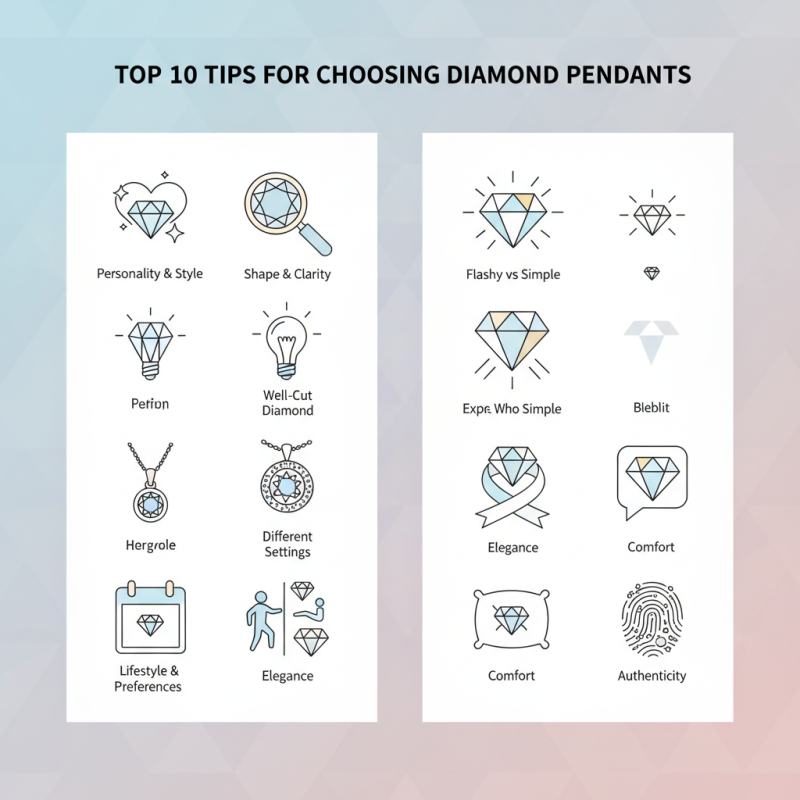
Choosing the perfect diamond pendant can be a delightful yet daunting task. According to leading jewelry expert, Jennifer Aniston, "A diamond pendant should reflect your personality and style." This sentiment captures the essence of why selecting a pendant requires careful thought. With various styles, cuts, and settings, the options can be overwhelming.
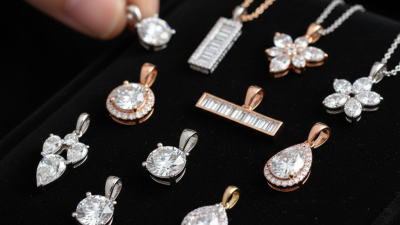
When searching for stunning diamond pendants, consider each aspect of your choice. The shape and clarity of the diamond are crucial. A well-cut diamond catches the light beautifully, while clarity impacts its brilliance. Different settings can dramatically change the overall look. Some may favor a classic solitaire pendant, while others might lean toward intricate designs.
It's essential to reflect on your lifestyle and preferences. A flashy pendant may not suit everyone's daily routine. Sometimes, simpler designs can be just as striking. Ultimately, the pendant should express who you are, combining elegance, comfort, and authenticity.
When selecting a diamond pendant, understanding the quality of the diamond is crucial. The 4Cs—cut, color, clarity, and carat weight—define a diamond's overall appearance.
The cut impacts how well a diamond reflects light. A poorly cut diamond can appear dull, while a well-cut one dazzles with brilliance. Look for diamonds that reflect more light; they generally offer greater value.
Color is another essential factor. Diamonds range from colorless to light yellow or brown. A more colorless diamond typically has a higher value. However, some people prefer stones with a little warmth. Personal preference plays a significant role here.
Clarity measures the presence of internal or external flaws. Flaws can affect beauty, but some minor inclusions are only visible under magnification.
When choosing a pendant, consider style and occasion. A vintage design might suit formal events, while a simple, modern piece could be more versatile. Pay attention to how your diamond interacts with the metal. A harmonious blend enhances its beauty.
Choose pendants that resonate with your personal style, even if they are not what trends dictate. It’s okay to take your time with the decision. Perfect choices come with reflection.
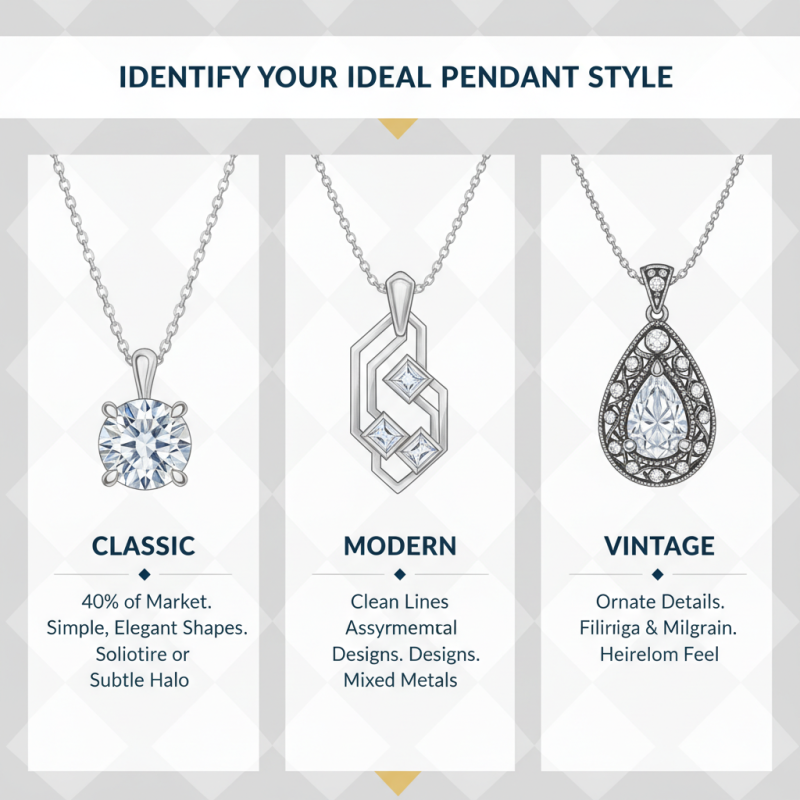
When selecting a diamond pendant, your style is crucial. Should you lean towards classic, modern, or vintage? Each style has unique characteristics, appealing to different tastes. Research shows that classic styles account for about 40% of the market. These designs often feature simple yet elegant shapes, showcasing the diamond's brilliance without distractions. A classic pendant might have a solitary diamond or a subtle halo setting.
Modern designs tend to be bolder and innovative. Approximately 30% of consumers choose modern pendants. They often incorporate geometric shapes or unique materials, like mixed metals. This style reflects contemporary artistic trends, making statements about individuality. However, navigating this bold aesthetic can be tricky; some designs may not age as gracefully, leading to a need for reflection on long-term style.
Vintage diamond pendants, representing about 20% of the market, capture timeless charm. These pieces often shine through intricate detailing and rich histories. However, potential buyers should acknowledge that vintage styles may require more maintenance. Not all vintage pieces are equally crafted; some may show signs of wear. Investing in a quality vintage pendant requires careful evaluation of its condition and authenticity.
When selecting a stunning diamond pendant, the setting plays a crucial role in the overall appearance. Different metals have unique properties and impacts on both visual and structural integrity. Common choices include white gold, yellow gold, and platinum. According to industry reports, platinum is known for its durability, making it an excellent choice for everyday wear. However, it tends to be more expensive than gold options.
White gold is popular for its modern look. Its rhodium plating can add brilliance but may require re-plating over time. Yellow gold remains classic and complements certain skin tones beautifully. It’s essential to evaluate how the metal choice aligns with your lifestyle and personal style. For instance, if you lead an active lifestyle, choosing a robust setting may prove more practical.
Tip: Consider how the metal's color interacts with the diamond’s hue. A warm yellow diamond can look stunning in yellow gold, while a cooler diamond may shine in white gold. Be mindful of the maintenance required for each metal. Some may tarnish or scratch, impacting their long-term beauty.
Reflect on your preferences. Remember, a pendant is an investment. Choose a metal that resonates with your style and works with your daily life. Balancing aesthetics and functionality can lead to a truly stunning piece that lasts.
When choosing a diamond pendant, wearability is key. Consider size and weight for daily use. A pendant that is too large may feel cumbersome. It can weigh down delicate necklines. Aim for a balance between elegance and comfort. Lightweight options can be just as stunning.
Opt for a pendant that complements your everyday attire. Smaller diamonds often shine brilliantly without being overpowering. They suit casual or formal settings alike. Think about how it feels when worn. Does it sit well? Is it distracting or enjoyable? These factors matter.
Choosing the right size and weight enhances your experience. A pendant that feels right boosts your confidence. Experiment with different styles. Ensure your selection enhances your personal flair. It's essential to embrace imperfections in the process. Each choice teaches you more about what you truly value.
When considering a diamond pendant, budgeting is crucial. The average cost of diamond jewelry varies widely. According to industry reports, expect to pay between $300 and $5,000 for a quality diamond pendant. Factors such as diamond size, clarity, and metal type all influence pricing. A well-priced pendant can also serve as a solid investment. Historical data shows that diamonds often retain their value, sometimes appreciating over time.
Choosing a pendant involves understanding these costs. First, determine your budget. Think about how much you are willing to invest. A smaller, high-quality diamond may serve you better than a larger stone with flaws. Look for certifications to ensure the stone’s authenticity and quality.
Pay attention to design. A unique design can enhance the beauty of the pendant and even make it more valuable. Many people overlook the importance of the setting and style. Don’t rush; take your time to compare options. This thoughtful approach can lead to a stunning choice you will cherish.