413 Central Ave, N Faribault, MN 55021 | 507-334-7114 | Hours: Tuesday-Friday 9am - 5:30pm & Saturday by appointment

10 Womens Swimwear Buying Tips for Global Buyers?
Buying Womens Swimwear for global markets requires more than attractive prints and seasonal colors. Buyers must assess fit, fabric performance, supplier reliability, and customer expectations together. A swimsuit that looks excellent in a studio may feel restrictive after hours at a resort. Small details matter, including soft lining, secure straps, flat seams, and accurate size grading.
Norma Kamali, a renowned American swimwear designer, has said, “The body is the garment.” Her words highlight the importance of comfort, movement, and confidence. This guide introduces practical tips for selecting Womens Swimwear across different regions. It considers recycled nylon, chlorine resistance, colorfastness, coverage preferences, and transparent production information. Buyers should request physical samples, inspect stitching, and test stretch recovery before confirming larger orders. A beautiful sample means little if the fabric becomes loose after repeated use.
No checklist is perfect. Even experienced buyers can overlook inconsistent measurements or unclear packaging details. Weather, culture, body shapes, and retail habits vary widely between markets. European buyers may prioritize minimalist cuts, while tropical retailers may need brighter colors and stronger sun protection features. These assumptions still require local evidence. Review customer feedback, compare size charts, and ask suppliers direct questions about lead times and quality controls. A reliable purchasing decision balances commercial appeal with verified performance. The following tips help global buyers reduce avoidable mistakes, communicate clearly with manufacturers, and build Womens Swimwear collections that customers can genuinely wear, trust, and enjoy.
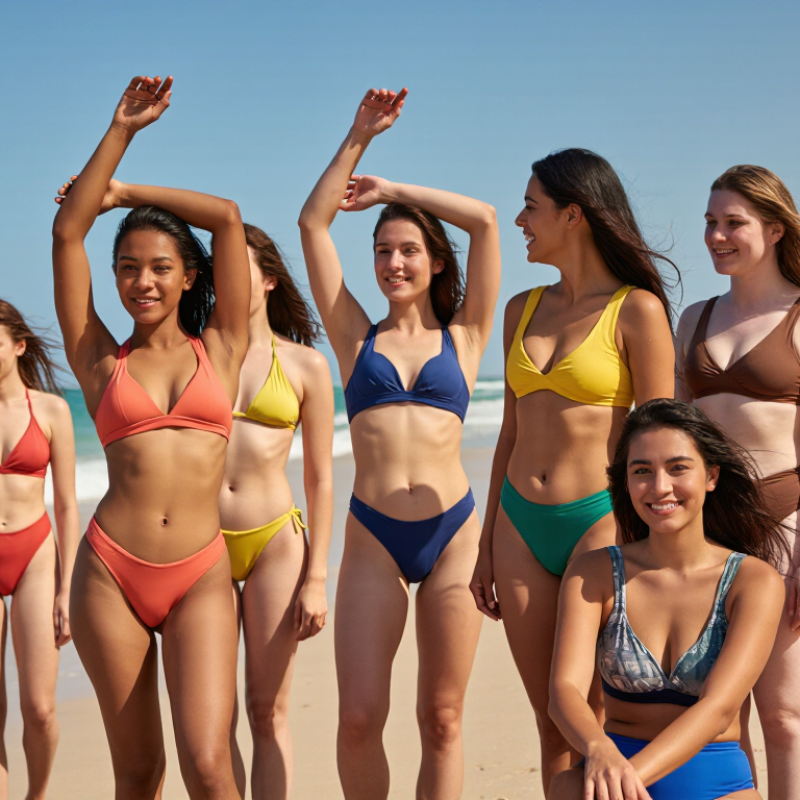
Understanding Global Women’s Swimwear Market Needs
Global women’s swimwear demand is shaped by climate, culture, body diversity, and daily routines. Fit comes first. Buyers should compare regional size charts instead of trusting one universal system. A high-waisted style may suit some markets, while adjustable coverage matters more in others. Research local preferences for one-piece suits, bikinis, modest designs, and athletic swimwear. Do not assume social media trends represent every customer.
Fabric performance also affects purchasing decisions. Look for tested resistance to chlorine, saltwater, sunlight, and repeated washing. Soft lining and secure stitching can reduce returns. Buyers should request samples in several sizes before placing large orders. Ask for fabric composition, care instructions, colorfastness results, and production tolerances. Reliable suppliers should provide clear documentation and answer specific questions without vague promises.
Seasonality varies across regions, so shipment timing needs careful planning. Tropical markets may sell swimwear year-round, while colder regions depend on short summer windows. Packaging should protect products from moisture and compression during transport. Consider recyclable materials, but verify their strength in real shipping conditions. My own forecasts have missed sudden shifts in color and coverage preferences. Data can mislead. Small regional tests, customer feedback, and return analysis often reveal more than a broad global average. Even a successful sample may need changes for local sizing, climate, or cultural expectations.
10 Women’s Swimwear Buying Tips for Global Buyers? - Understanding Global Women’s Swimwear Market Needs
| No. | Buying Dimension | Global Market Need | Useful Data or Benchmark | Recommended Buyer Action |
|---|---|---|---|---|
| 1 | Size-System Compatibility | Women’s swimwear is sold across different US, UK, EU, and Asian size systems, while body proportions also vary by market. | Use body measurements in centimetres or inches rather than relying only on S–XL labels. Record bust, waist, hip, and torso measurements. | Request a garment-specific measurement chart, tolerance specification, and conversion guide for every style. |
| 2 | Coverage and Modesty | Demand differs between beach, resort, pool, sport, and modest-swimwear segments. Some customers prefer full coverage, sleeves, or higher necklines. | Key product variables include one-piece or two-piece construction, leg opening height, neckline depth, sleeve length, and lining coverage. | Build a balanced assortment with classic, sporty, high-coverage, and mix-and-match silhouettes. |
| 3 | Fabric Composition | Swimwear needs stretch recovery, opacity when wet, shape retention, and resistance to salt water, sunscreen, and pool chemicals. | A common performance blend is polyamide or polyester combined with elastane; the exact ratio should be selected according to use and target price. | Ask for fibre composition, fabric weight, four-way stretch results, colourfastness, and stretch-recovery test reports. |
| 4 | UV Protection | Outdoor swimming and beach activities create demand for fabrics that reduce ultraviolet exposure, especially in tropical and high-sun destinations. | UPF 50+ fabric classifications generally indicate that no more than 2% of UV radiation passes through tested fabric under the relevant test method. | Only use UPF claims supported by recognised laboratory testing, and specify whether the claim applies to the fabric or the finished garment. |
| 5 | Chlorine and Saltwater Durability | Training swimmers and frequent pool users need stronger resistance to chlorine, while beach users prioritise resistance to salt, sand, and repeated washing. | Evaluate colour change, elastane degradation, seam strength, and dimensional change after repeated exposure and laundering. | Separate fashion, resort, and performance collections, then match fabric testing to the intended end use. |
| 6 | Support and Fit Engineering | Customers have different bust sizes and activity levels, creating demand for adjustable and supportive construction. | Relevant features include removable cups, shelf bras, underbands, adjustable straps, power mesh, and multi-position back closures. | Offer multiple support levels and test fit on a broad range of bust-to-underbust proportions. |
| 7 | Climate and Seasonality | Northern markets often have strong seasonal peaks, while tropical and resort markets may sell swimwear throughout the year. | Plan deliveries around local summer, holiday, school-break, and resort-travel periods instead of using one global launch date. | Use regional sales calendars and staggered colour or style drops to reduce inventory risk. |
| 8 | Colour and Print Selection | Colour preferences vary by climate, age group, local culture, and channel. Black, navy, and other dark neutrals often provide dependable core options. | A practical assortment can combine core neutrals, seasonal brights, and prints, with colourfastness tested for wet and dry conditions. | Use local sell-through data to adjust the colour ratio rather than applying the same palette to every country. |
| 9 | Sustainability and Traceability | Buyers increasingly request recycled fibres, safer chemical management, responsible production, and transparent supply-chain information. | Verify fibre claims through recognised transaction certificates or scope certificates where applicable, and request restricted-substance testing. | Require documentation for recycled content, production sites, chemical compliance, packaging materials, and audit status. |
| 10 | Compliance, Labelling, and Packaging | Import requirements, fibre labelling, care instructions, language rules, packaging regulations, and chemical restrictions differ between destination markets. | Check the destination market’s requirements for fibre content, country of origin, care labels, size labels, safety information, and packaging waste obligations. | Complete a market-by-market compliance checklist before bulk production and approve final labels before shipment. |
Note: Performance benchmarks and compliance obligations should be confirmed against the testing method and regulations applicable in the destination market.