413 Central Ave, N Faribault, MN 55021 | 507-334-7114 | Hours: Tuesday-Friday 9am - 5:30pm & Saturday by appointment

The 2026 Folding Tent market deserves closer attention from importers, event companies, and outdoor retailers. Temporary structures are becoming more practical, portable, and visually refined. Grand View Research reports continued growth in the global camping tent market, driven by outdoor recreation, tourism, and flexible commercial use. Mordor Intelligence also identifies product portability and faster installation as important market forces. However, these reports rarely isolate Folding Tent products. That gap matters.
Frei Otto, the pioneering German lightweight-structure architect, described the tent as “the oldest and simplest form of architecture.” His insight still feels relevant. A modern Folding Tent must unfold smoothly, stand securely, and protect people from changing weather. It also needs clean printing, replaceable parts, and predictable packing dimensions. A crowded exhibition hall reveals weak frames quickly. So does a wet sports field.
This guide examines leading manufacturers for global buyers in 2026. It considers frame materials, canopy fabrics, wind ratings, production capacity, customization, quality control, and export experience. ISO 9001 certification can indicate process discipline, but it does not guarantee excellent tents. That is an uncomfortable detail. Buyers should request test reports, factory videos, sample units, and clear warranty terms. They should also compare packed size, not only open-area dimensions.
Some suppliers look impressive online. Their real performance may differ. Careful verification remains essential. The best Folding Tent manufacturer is not always the largest company. It is the supplier that delivers consistent quality, realistic specifications, and dependable communication across borders.
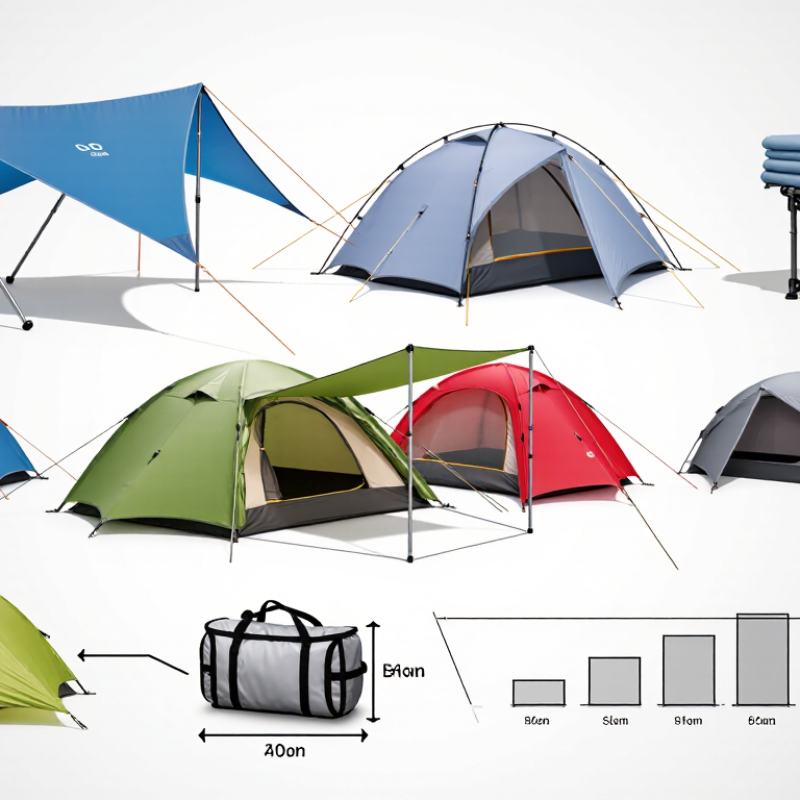
2026 Top Folding Tent Manufacturers for Global Buyers
What Defines a Reliable Folding Tent Manufacturer in 2026
A reliable folding tent manufacturer in 2026 proves performance before making promises. During supplier audits, buyers should inspect frame joints, fabric seams, and locking pins by hand. A stable frame should open smoothly without sharp resistance. The canopy should resist tearing, water penetration, and color fading during repeated outdoor use. Ask for test records, not attractive catalog images. Useful records identify fabric weight, coating type, wind-test method, and production date. Small details matter. An unclear date is a warning sign.
Professional manufacturers build repeatable quality into every production stage. They use incoming material checks, welding inspections, seam sampling, and final dimensional tests. Experienced teams also provide drawings, assembly instructions, spare-part lists, and packaging measurements. These documents reduce mistakes for distributors and event contractors. Strong technical support matters when a replacement roof or connector is needed quickly. Response time should be tested before ordering. Send a practical question and observe the answer.
Reliability also includes ethical sourcing, traceable materials, and honest capacity statements. A factory should explain peak-season lead times, inspection options, shipping risks, and destination-market requirements. Buyers should request a pre-production sample and compare it with the delivered batch. No manufacturer gets every detail right. I have seen excellent tents fail because a cheap pin bent during setup. That lesson is easy to miss. The best suppliers welcome corrective feedback, record changes, and verify them in the next batch. Long-term trust grows from evidence, not confident language.
Comparing global folding tent suppliers requires more than checking catalog photos and quoted prices. Start with the frame. Ask whether it uses corrosion-resistant aluminum or treated steel, and request wall thickness data. A stronger frame may cost more, but it usually handles repeated setup better. Examine the fabric specification too. Polyester denier, coating type, stitching density, and water-pressure results reveal practical quality. Do not rely on the word “waterproof” alone.
Supplier experience becomes clearer through samples and factory evidence. Request a working tent, not only fabric swatches. Open and close it several times, inspect the joints, and check whether the roof remains tight after installation. Production photos, quality-control records, and test reports can support their claims. Confirm how they inspect dimensions, printing, seams, and packed components before shipment. Details matter.
Communication is another useful test. A reliable supplier should explain lead times, minimum quantities, replacement parts, packaging, and warranty limits in writing. Ask how they manage different import documents and product-safety requirements in your destination market. Compliance responsibilities still need independent verification. A perfect supplier rarely exists. Some factories offer excellent fabric but weak after-sales support, while others provide fast service with inconsistent finishing. I would compare three samples under the same conditions, record every defect, and price the risks before choosing.
International buyers need more than attractive canopy photos. They need folding tent manufacturers with repeatable production, clear specifications, and export experience. Reliable manufacturers explain frame alloys, fabric weights, waterproof ratings, fire-performance options, and wind-test methods in plain language. Factory visits, sample reviews, and production records can reveal more than sales claims. Ask for a current sample. Details matter.
A capable supplier should support different markets without treating every order alike. European, North American, Middle Eastern, and Asian buyers may require different labeling, packaging, dimensions, and documentation. Professional manufacturers provide drawings, material reports, inspection photos, and packing lists before shipment. They also confirm carton strength and container loading plans. These steps reduce damage and unexpected customs delays. They do not remove every risk.
Experienced buyers should assess stitching, corner reinforcement, pole joints, zipper movement, and replacement-part availability. Ask how defects are recorded and resolved after delivery. A dependable manufacturer offers practical lead times, transparent payment terms, and responsive technical support. Some factories promise too much during quotation. That deserves caution. A slower, honest answer is often more useful than a perfect-looking brochure. Even strong suppliers can miss a detail, so written approvals and pre-shipment inspections remain worthwhile for international orders.
In 2026, global buyers are examining folding tent suppliers beyond appearance and price. Experienced sourcing teams inspect frame joints, fabric seams, roof tension, and packaging strength. A stable aluminum or steel frame should open smoothly without sharp edges or uneven locking points. Fabric quality matters too. Buyers should request waterproofing data, UV resistance results, and flame performance documentation where required.
Customization must remain practical. Manufacturers can adjust dimensions, colors, wall layouts, printing areas, and carrying cases. However, every change can affect wind stability, production time, or transport costs. A larger printed roof may look impressive, but it can increase fabric tension. Small details matter. Ask for engineering drawings, physical samples, and clear tolerance ranges before approving mass production. Digital images are useful, but they can hide weak stitching and inaccurate colors.
Compliance should be checked for the destination market, not assumed from factory experience. Reliable suppliers explain material composition, test methods, labeling rules, and inspection procedures. They should provide traceable batch records and consistent pre-shipment reports. Independent inspection can verify frame dimensions, fabric performance, carton markings, and accessory counts. Some suppliers may present incomplete documents without intending to mislead. That still creates risk for buyers. I would also review warranty language carefully, because “weather resistant” does not mean suitable for every climate. A dependable supplier welcomes questions and records corrective actions when a sample fails.
For global buyers, selecting a folding tent manufacturer requires more than comparing catalog prices. The global camping tent market was valued at about USD 3.37 billion in 2023, according to Fortune Business Insights. Demand is growing, but regional needs differ sharply. A coastal distributor may require corrosion-resistant frames. An inland event supplier may prioritize wind stability and rapid setup.
Request factory evidence, not polished promises. Check production capacity, fabric weight, seam construction, frame alloy, and replacement-part availability. ASTM or EN test reports can support claims about flame resistance, water pressure, and structural performance. The 2024 UN Comtrade database also helps buyers compare HS 6306 import values across target markets. Low prices can hide higher freight, repair, or warranty costs.
Audit communication quality before signing. Ask for a sample, dimensional drawings, packing photos, and a batch inspection plan. A reliable manufacturer should explain tolerances and admit limitations. That matters. I would also test one tent outdoors for several days, including wet ground and sudden wind. Laboratory data is useful, but field behavior can still surprise you. Verify lead times against seasonal demand, because a two-week delay may miss an entire sales window. My own preference is a supplier with transparent records, flexible customization, and stable quality—not merely the largest factory.
How to Select the Right Manufacturer for Your Market
This editorial benchmark shows a practical weighting model for comparing folding tent manufacturers. Buyers should give the greatest attention to weather resistance, compliance documentation, production capacity, delivery reliability, customization capability, and after-sales support. Actual priorities may vary by market, climate, application, and order volume.