413 Central Ave, N Faribault, MN 55021 | 507-334-7114 | Hours: Tuesday-Friday 9am - 5:30pm & Saturday by appointment

Lower back pain can change how a soccer player moves, trains, and recovers. A Soccer Back Brace may offer gentle support during warm-ups, practice sessions, or matches. However, it should not replace medical advice or proper rehabilitation. Pain can come from muscle strain, poor movement patterns, spinal irritation, or a more serious condition. The right support depends on the cause.
This guide reviews seven soccer back braces for lower back pain. It focuses on practical details, including fit, adjustability, breathability, mobility, and comfort under a jersey. A useful brace should stay secure when sprinting, turning, or bending to tie your boots. It should also avoid excessive pressure around the abdomen. Small details matter.
No brace works perfectly for every player.
Some athletes prefer firm compression, while others need lighter support. A brace that feels comfortable during a five-minute test may become irritating after a full match. That limitation deserves attention. Product descriptions can also overstate benefits, so this comparison considers construction and realistic use rather than marketing promises. Players should stop wearing a brace if they experience numbness, increased pain, weakness, or restricted breathing. Persistent or severe symptoms require evaluation from a qualified healthcare professional. The best choice is not always the most expensive model. It is the one that fits securely, supports natural movement, and suits the player’s medical needs and playing routine.
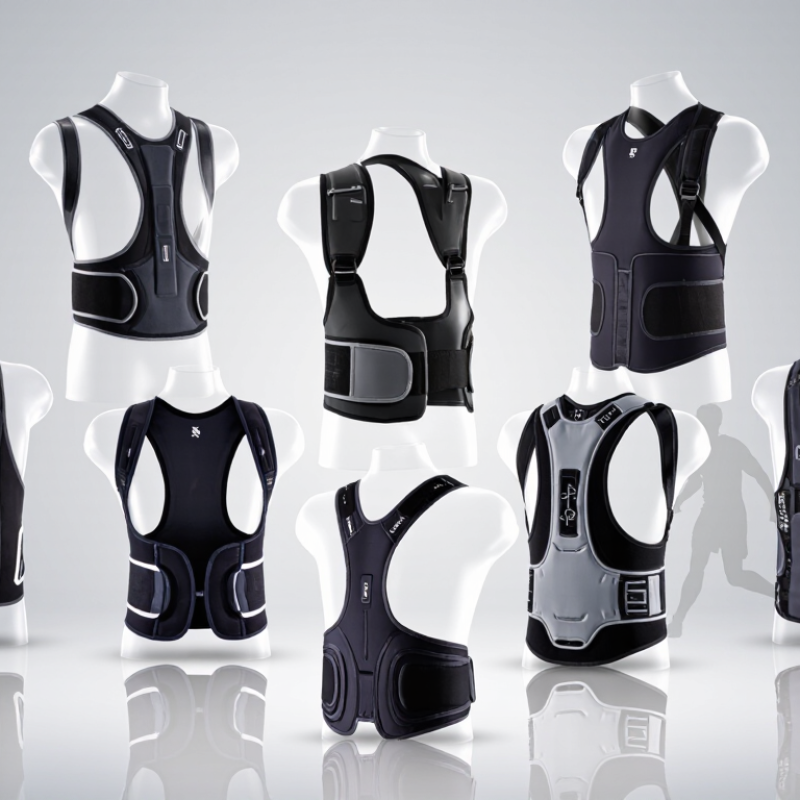
A soccer back brace is a wearable support designed to stabilize the lower back during movement. It usually wraps around the waist and applies gentle compression. Some models include flexible stays that limit excessive bending or twisting. This support may reduce strain when sprinting, turning, or contesting the ball. It does not make the spine stronger instantly. Its main role is controlled support.
A well-fitted brace can improve body awareness during training. You may notice your posture before a painful movement becomes worse. The fit should feel secure, not restrictive. You should still breathe comfortably and move your hips naturally. The brace should not cause numbness, tingling, skin discoloration, or increased pain. Those signs deserve attention. A brace also cannot replace strength work, recovery, or medical assessment. Lower back pain has many possible causes, and guessing can delay proper care.
Tips: Wear it over a thin, moisture-wicking layer to reduce rubbing. Test it during walking before using it in a full match. Keep the first session short. Check the skin afterward for red pressure marks. Do not sleep in it unless a qualified professional recommends that choice. If pain travels down the leg, weakness appears, or symptoms persist, seek evaluation from a licensed healthcare professional. The perfect brace may not exist; comfort and safe movement matter more than rigid support.
Choosing a soccer back brace requires more than checking its support label. The brace should match your pain level, playing position, and movement demands. A rigid design may limit twisting, while a flexible brace can support motion during sprinting and turning. In practice, moderate support often feels more usable on the field.
Fit is the most important feature. Look for adjustable straps that stay secure without pressing into your ribs. The lower edge should rest above the hips and avoid pinching when you bend. Check the sizing chart carefully. Measurements matter more than clothing size. A poor fit can increase discomfort. It happens.
Breathable fabric helps manage sweat during long matches. Mesh panels, smooth seams, and washable materials can reduce skin irritation. A low-profile brace should fit beneath a jersey without restricting breathing. Examine the closure system, too. Velcro may adjust quickly, but it can wear out or catch on clothing. Strong elastic panels should offer support without feeling stiff. Some braces include removable support stays, which allow more personal adjustment.
Consider whether the brace provides balanced pressure across the lower back. Concentrated pressure may feel helpful briefly but become uncomfortable later. A sports physiotherapist can assess whether your pain needs bracing or another treatment approach. Stop playing if numbness, weakness, or sharp spreading pain appears. A brace can assist movement, not replace proper diagnosis, strength training, or recovery.
| Brace Type | Recommended Support Level | Typical Construction | Stability Features | Breathability | Movement and Soccer Use | Best For | Potential Limitations |
|---|---|---|---|---|---|---|---|
| 1. Lightweight Compression Wrap | Light | Stretch elastic fabric with a wide abdominal panel and soft edge binding. | Single hook-and-loop closure; gentle compression rather than rigid support. | Usually good because of its thin, flexible material. | Allows running, turning, bending, and ball work with minimal bulk under a jersey. | Players with occasional muscle fatigue or mild lower-back discomfort. | May not provide enough stability for significant weakness, instability, or acute injury. |
| 2. Adjustable Lumbar Support Belt | Moderate | Elastic lumbar belt with adjustable secondary tension straps. | Cross-over straps help increase compression around the lower back and abdomen. | Moderate; mesh panels improve airflow but added straps may retain heat. | Suitable for training and warm-ups when a secure, adjustable fit is needed. | Players who want to change compression during activity or between sessions. | Over-tightening can restrict breathing, hip movement, or comfortable sprinting. |
| 3. Flexible Panel Back Brace | Moderate | Fabric body combined with flexible vertical or horizontal support panels. | Flexible stays limit excessive motion while allowing controlled bending and rotation. | Moderate to good when the brace uses perforated panels or moisture-wicking fabric. | Provides more structure than a simple wrap while remaining suitable for light training. | Players needing additional lumbar guidance without a rigid frame. | Support panels can press into the skin if the brace is poorly fitted or worn too tightly. |
| 4. Dual-Strap Athletic Back Support | Moderate | Wide lumbar belt with two independent tension straps and a contoured back section. | Separate upper and lower adjustments help distribute pressure more evenly. | Moderate; the wider coverage may feel warmer during high-intensity play. | Can offer a secure fit during drills, lifting, and controlled field activity. | Players who need customizable compression and reduced brace movement. | More noticeable under clothing and may feel restrictive during deep hip flexion. |
| 5. Rigid-Stay Lumbar Brace | High | Firm textile shell with removable or fixed rigid stays along the lower back. | Rigid stays provide stronger resistance to excessive flexion and extension. | Limited to moderate because firm panels and thicker materials can trap heat. | Generally better for walking, daily activities, or rehabilitation than unrestricted soccer. | Short-term support when specifically recommended by a qualified clinician. | May limit natural trunk rotation and is usually unsuitable for full-speed play without professional clearance. |
| 6. Low-Profile Neoprene Support | Light to Moderate | Thin neoprene or neoprene-blend material with a simple wraparound closure. | Provides warmth, compression, and mild proprioceptive feedback without hard stays. | Usually limited because neoprene can retain heat and moisture. | Flexible enough for light drills, but warmth may become uncomfortable during matches. | Players who prefer a compact brace and find gentle warmth soothing. | Can cause sweating or skin irritation; it offers little mechanical control for serious pain. |
| 7. Extended-Torso Stabilizing Brace | Moderate to High | Taller front and back panels with multiple adjustment zones and supportive stays. | Greater coverage helps reduce brace shifting and provides more trunk control. | Fair to moderate; larger coverage generally increases heat and bulk. | May be appropriate for supervised rehabilitation, but can interfere with sprinting and rotation. | Players requiring substantial support for daily movement or a clinician-directed recovery plan. | Usually too restrictive for competitive soccer and should not replace medical assessment. |
Fit and comfort are essential: the brace should feel supportive without causing numbness, tingling, breathing difficulty, skin discoloration, or restricted hip movement. Persistent, severe, or radiating back pain should be evaluated by a qualified healthcare professional before returning to soccer.
Soccer players use different braces for different support needs.
A flexible lumbar support belt offers light compression during training.
A sacroiliac belt sits lower, around the pelvis, and may help with pelvic discomfort.
A compression wrap feels less restrictive during sprints. It can be useful for mild soreness, not serious injury.
A rigid lumbar brace limits bending more firmly. It may suit short-term support after a clinician’s assessment.
A hinged back brace allows controlled movement while reducing unwanted twisting.
A posture support brace gently reminds players to keep their shoulders and spine aligned.
A heat-retaining neoprene brace keeps the lower back warm during cold sessions. Warmth can feel soothing, but it does not treat the underlying cause.
Fit matters more than appearance.
The brace should feel snug, never numb, sharp, or difficult to breathe in.
Test it during walking before using it in a match.
Check whether it rolls, slips, or presses against the hips when kicking.
I would avoid wearing a rigid brace for every session without professional guidance. Muscles still need safe movement.
No brace works perfectly for every player. Persistent pain, leg weakness, numbness, or bladder changes require prompt medical evaluation.
Choosing among the best soccer back braces starts with your playing style, not the brace’s appearance. A goalkeeper may prefer firm lumbar support for repeated diving and twisting. A midfielder often needs lighter compression for constant running and turning. Defenders may value stability during shoulder challenges, while forwards usually need unrestricted hip movement for quick acceleration.
Measure your waist carefully and check the manufacturer’s sizing guide. The brace should feel secure without limiting breathing or sprinting. Look for breathable fabric, smooth edges, and adjustable straps. These details matter during a wet, demanding match. A flexible brace can suit mild discomfort and training sessions. A more supportive design may help after a clinician recommends it. Do not treat stiffness as proof of better support.
Test the brace during warm-ups before wearing it in competition. Walk, jog, bend, and kick with it. Watch for numbness, skin irritation, or unusual pressure. Stop if pain increases. From practical fitting experience, players often choose braces too tight, then lose comfort after thirty minutes. I have also seen athletes rely on support while ignoring weak core muscles and poor recovery. That approach needs reconsideration. Persistent pain, leg weakness, or pain after a collision deserves assessment by a qualified healthcare professional. A brace can assist movement, but it cannot diagnose the cause or replace rehabilitation.
A soccer back brace can reduce movement and remind players to protect a painful area. It cannot repair every injury.
The World Health Organization reported that 619 million people experienced low back pain in 2020. It also projects 843 million cases by 2050. This makes careful, evidence-based use important.
Fit matters. Choose a brace that sits across the lower back, not the ribs. You should breathe, rotate, and jog without numbness or pinching. Two fingers should fit beneath the edge.
Wear it over a thin, dry shirt, and begin with short training periods. Do not sleep in it unless a clinician advises you to.
Stop and check. Remove the brace if your skin becomes pale, blistered, hot, or unusually sore. Wash it according to its care label, then air-dry it fully. Inspect seams, straps, and fasteners before each match. A damaged brace may shift during a tackle.
NICE guideline NG59 emphasizes staying active, exercise, and self-management for many cases of low back pain. A brace should support these measures, not replace them. I would not treat comfort as proof of healing.
Seek medical advice after significant impact, or when pain persists despite rest and modified training. Get urgent care for leg weakness, numbness around the groin, loss of bladder or bowel control, fever, or unexplained weight loss. Those signs need assessment, not tighter compression.