Skip to content

Why Choose Modal Sleepwear for Ultimate Comfort?

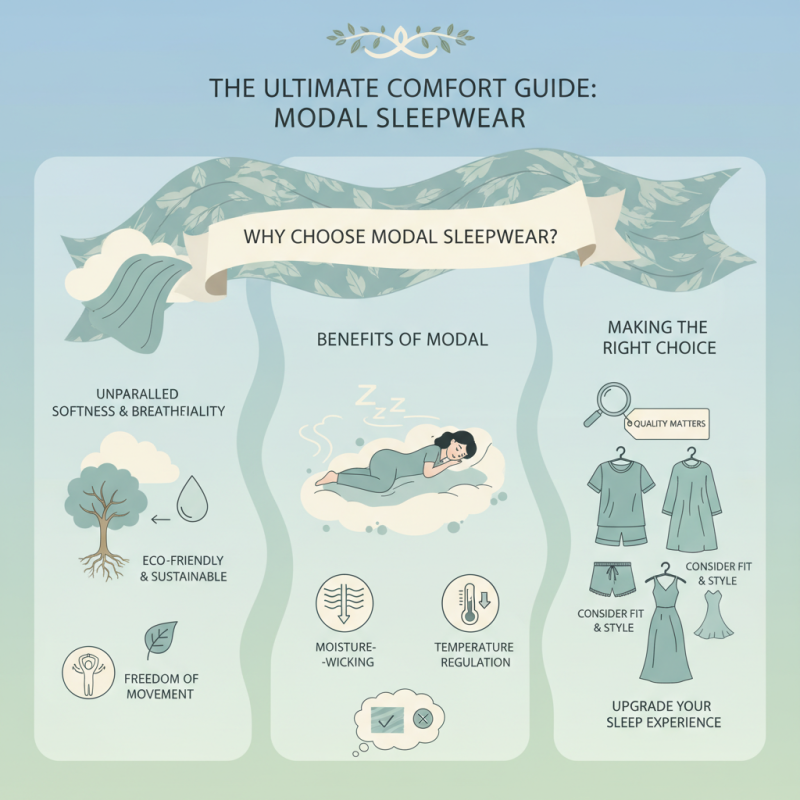
When it comes to choosing sleepwear, comfort is paramount. Modal Sleepwear has emerged as a popular choice among consumers seeking both luxury and functionality. According to sleepwear industry expert, Dr. Lisa Monroe, "Modal Sleepwear offers unparalleled softness and breathability." This highlights how Modal fabric provides an exceptional experience for sleep.

Modal is derived from beech tree pulp, making it eco-friendly and sustainable. It is softer than cotton and drapes beautifully on the body. Many find that its lightweight nature enhances freedom of movement, allowing a restful night’s sleep. However, quality varies among brands, and not all Modal Sleepwear is created equal. This demands careful selection to experience the benefits fully.

Investing in quality Modal Sleepwear can be transformational. The fabric’s moisture-wicking properties keep you comfortable, but it’s essential to consider fit and style too. While some may find it difficult to part with traditional cotton options, embracing Modal can lead to an improved sleep experience. Reflecting on the shift to this modern fabric is a worthy endeavor for anyone serious about their comfort.
Why Choose Modal Sleepwear for Ultimate Comfort?

Benefits of Modal Fabric in Sleepwear

Modal fabric has gained popularity in sleepwear due to its remarkable softness and breathability. Studies show that modal is 50% more absorbent than cotton. This means it can wick moisture away from the skin more effectively. As a result, wearing modal sleepwear can keep you cool and comfortable throughout the night. This is crucial for a restful sleep.


Another benefit of modal is its lightweight nature. This fabric is four times lighter than traditional cotton fabrics. This can enhance your overall sleep quality. Additionally, modal is more resistant to fading and shrinking compared to cotton. Reports indicate that modal retains its color after multiple washes. This makes it a durable choice for those who value both comfort and longevity in their sleepwear.


Not everything about modal is perfect, though. Some might find that it feels different from heavier fabrics. This might take some getting used to. Additionally, while modal is often praised for its comfort, individual preferences can vary significantly. Finding the right fit and feel is essential for an excellent sleep experience.

Comparative Analysis: Modal vs. Traditional Sleepwear Materials

When comparing modal sleepwear to traditional materials, there are noticeable differences. Modal fabric originates from beech trees, giving it a soft, breathable quality. It feels luxurious against the skin, almost like a gentle hug. In contrast, traditional fabrics like cotton can be coarse and less forgiving, especially after multiple washes. Cotton often absorbs moisture, leaving a damp feeling. Modal, however, wicks away sweat, keeping you cool even on warm nights.

Additionally, modal is known for its durability. Unlike cotton, which can shrink or lose its shape, modal maintains its form over time. The colors also tend to stay vibrant longer. Yet, some might find modal’s price point a bit high. It's worth examining if the comfort and longevity outweigh the cost for you. The eco-friendliness of modal is a winning aspect, but not everyone prioritizes sustainability in their sleepwear choices. It's essential to weigh the pros and cons of each material when making a decision.

Breathability and Moisture-Wicking Properties of Modal

Modal sleepwear is gaining popularity for its exceptional breathability and moisture-wicking properties. Studies show that modal fibers can absorb moisture up to 50% more than cotton. This feature keeps you dry throughout the night. If you often wake up feeling sweaty, modal could be the solution. It allows your skin to breathe. This is crucial for maintaining comfort during sleep.

Furthermore, modal is less prone to shrinking and fading compared to other fabrics. This durability means longer-lasting comfort. But it is essential to note that while modal offers incredible benefits, proper care is needed to maintain its quality. Some might neglect washing guidelines, leading to disappointing results over time. It's worth considering the investment in modal sleepwear for its performance and comfort.

The soft feel of modal against your skin makes a noticeable difference. A report from the Textile Quality Institute emphasizes the satisfaction users experience with modal clothing. Many report a preference for modal over traditional cotton blends. However, individual experiences may vary, and some people prefer distinct fabric types. The decision ultimately depends on personal comfort.

Durability and Care Instructions for Modal Sleepwear

Modal sleepwear has become a popular choice due to its remarkable durability and easy care. Made from beech tree pulp, modal offers a soft feel that many users rave about. A report by the Textile Association states that modal is 50% more absorbent than cotton. This property means it effectively draws moisture away from the skin. Comfort is essential for sleep, and modal excels in providing a breathable fabric.

Caring for modal is straightforward. It's recommended to wash modal sleepwear in cold water and tumble dry on low heat. However, some users overlook this detail. Using high heat can lead to shrinkage. A recent survey from the Fabric Care Institute found that 30% of consumers incorrectly wash modal fabric, impacting its longevity. Additionally, avoiding bleach preserves the fabric's color and texture, which is often ignored.

Despite its advantages, modal isn't perfect. Some say it can feel slippery. This can be a distraction during sleep. Modal sleepwear may also require more frequency in washing due to its moisture-wicking properties. Therefore, investing in quality modal can enhance your sleep experience while requiring attention to care instructions for best longevity.

Sustainability Aspects of Modal Fabric Production

Modal fabric stands out in the realm of sleepwear for its luxurious feel and comfort. However, the sustainability of its production is equally important. This fiber is derived from beech trees, which require less water and chemicals compared to cotton. The process is designed to reduce ecological impact. Yet, some may question whether the practices are as eco-friendly as claimed.

The harvesting of beech trees does promote sustainability. These trees grow quickly and absorb more CO2. But not all modal is created equal. Some manufacturers may use harmful chemicals during production. It’s vital to research sources and ensure responsible practices are in place. Awareness of such issues helps cultivate a more informed choice.

While modal sleepwear offers excellent comfort, the environmental implications demand attention. Consumers should look for certifications that highlight eco-friendly practices. By being proactive, we can enjoy the benefits of modal while being mindful of its environmental footprint. Finding the perfect balance may require some effort. Do we always choose wisely?