Skip to content

How to Choose the Perfect Blue Stone Engagement Ring?

Choosing the perfect blue stone engagement ring can feel overwhelming. With so many options available, it's essential to know what to look for. Blue stones, like sapphires or aquamarines, offer unique beauty and significance. Their rich colors stand out and symbolize loyalty and trust.

When considering a blue stone engagement ring, pay attention to the stone's quality. Look for clarity, cut, and carat weight. Each factor affects the stone's overall appearance. A well-cut stone reflects light beautifully, enhancing its vibrant color.

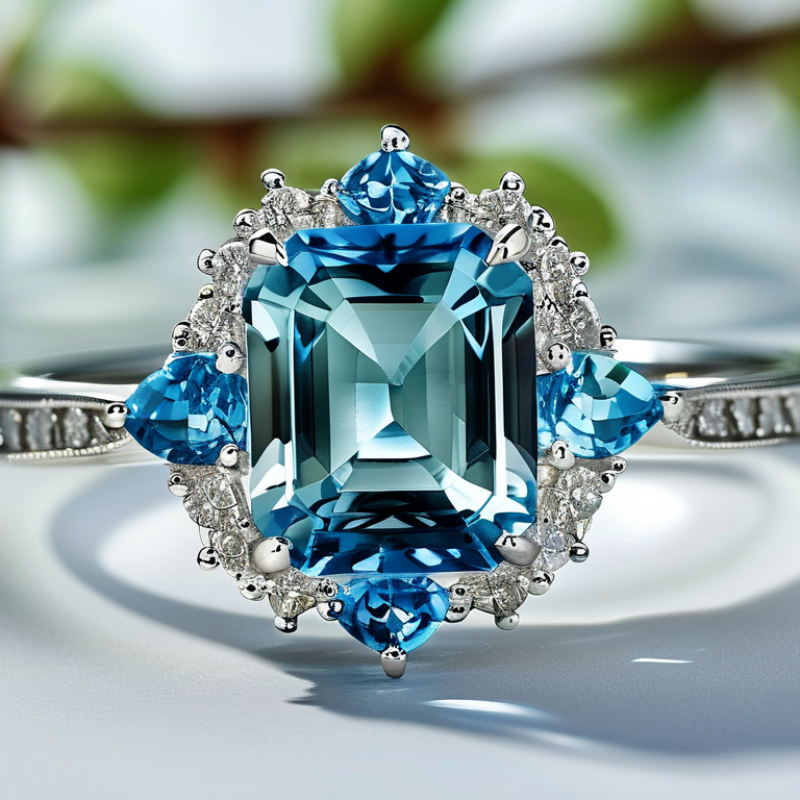
Don't forget the ring setting. The metal choice can influence the stone's hue. White gold and platinum often amplify the blue tones, making them pop. It's also important to reflect on your partner's style. Does she prefer classic or modern designs? Engaging these details will help ensure the ring mirrors her personality and is cherished forever.
How to Choose the Perfect Blue Stone Engagement Ring?

Understanding the Significance of Blue Stones in Engagement Rings

Choosing a blue stone for an engagement ring adds a unique touch. Blue stones, particularly sapphires, symbolize loyalty and trust. These qualities are vital in any relationship. Their rich color varies from dark navy to bright cornflower blue. Each shade can reflect personal style, making the ring truly special.

When selecting a blue stone, consider the stone's clarity and cut. A well-cut stone will enhance its brilliance. Many believe that blemishes can affect a stone’s meaning and energy. Opt for a stone that feels authentic to your partner’s taste and character.

Your choice should resonate with emotions and connections. Consider the symbolism behind different shades of blue. Lighter blues represent peace and loyalty, while darker hues can signify depth and wisdom. Reflect on what these qualities mean for your relationship.

Exploring Different Types of Blue Stones for Engagement Rings

Choosing a blue stone engagement ring can be overwhelming with so many options. Various blue stones exude unique beauty and charm, each with distinct qualities. Sapphires are among the most popular choices. They signify loyalty and are durable enough for everyday wear. Their rich blue hues are timeless and captivating.

Another option is aquamarine, which offers a lighter, soothing shade. Its serene tone can also represent peace and harmony. While it may not be as tough as a sapphire, its clarity and color make it a stunning choice for those seeking something refreshing.

When selecting the perfect blue stone, consider the recipient's personal style. Some may prefer a deep royal blue, while others lean toward a more pastel shade. It's essential to choose a stone that resonates with the wearer. Reflect on their personality and preferences. Each stone brings different energies, so the right fit can enhance the emotional significance.

Explore the lesser-known options like tanzanite or blue topaz. They can show individuality and uniqueness. The journey to find the right stone might involve some trial and error. Don’t rush; take time to consider various options. Each decision can lead to deeper reflections on what love means to you.

Evaluating the Quality and Characteristics of Blue Stones

When evaluating blue stones for an engagement ring, consider their clarity, color, and cut. Clarity refers to the presence of inclusions or blemishes. For high-end stones like sapphires, aim for a clarity grade of at least eye-clean, where flaws are invisible to the naked eye. Reports from the Gemological Institute of America (GIA) indicate that inclusions can significantly impact a stone's value, emphasizing the importance of clarity in your selection.

Color is another critical factor. The ideal blue hue is often described as a deep, royal blue with a vivid saturation. According to a study by the Gem Retailer Association, 45% of buyers prefer stones in this rich blue category, favoring those with minimal color zoning. Such characteristics can enhance the overall aesthetics and perceived value of the ring, making it more desirable for a lifetime symbol of love.

Cut is vital as well. A well-cut stone reflects light beautifully. Certification reports suggest that the cut can influence a stone's brilliance by up to 50%. Be cautious, though; a stunning appearance does not always guarantee high quality. An unethical source could provide misleading information about a stone’s true characteristics. Take time to verify certifications and seek opinions from knowledgeable sources in the industry.

Choosing the Right Setting for Your Blue Stone Engagement Ring

Choosing the right setting for your blue stone engagement ring can dramatically enhance its beauty. The setting can complement the color and character of the stone. Consider the shape and cut of the blue stone when selecting a setting. A halo setting can make a smaller stone appear larger. A solitaire setting allows the stone to take center stage, showcasing its brilliance.

When exploring different settings, think about the metal choice. White gold, yellow gold, and platinum each convey a different vibe. White gold will highlight the blue stone beautifully, while yellow gold offers warm contrast. Rose gold adds a vintage feel. Choosing the right metal is crucial; it should reflect the wearer's style and personality.

Don't forget comfort. The ring needs to feel right on your finger. Some settings can be bulky or snag on clothing. Test a few styles for comfort and fit. Take your time to explore various options. Sometimes, a unique design can reveal flaws you didn’t notice before. Reflect on how each setting enhances or distracts from the stone.

How to Choose the Perfect Blue Stone Engagement Ring? - Choosing the Right Setting for Your Blue Stone Engagement Ring

Setting Type Description Benefits Considerations
Prong Setting A classic setting that holds the stone with metal prongs. Maximizes light exposure, enhances sparkle. Stone may be prone to damage if caught on clothing.
Halo Setting Surrounds the main stone with smaller accent stones. Creates an illusion of a larger center stone, enhances sparkle. Can be more expensive due to additional stones.
Bezel Setting The stone is fully encircled by a metal rim. Offers significant protection to the stone. May limit light exposure, reducing sparkle.
Three-Stone Setting Features a center stone flanked by two smaller stones. Symbolizes past, present, future, significant emotional value. Can be harder to clean and maintain due to multiple stones.
Vintage Setting Features intricate details and designs, often inspired by past eras. Unique style, often tells a story or has historical significance. May require more care and specialized cleaning.

Caring for and Maintaining Your Blue Stone Engagement Ring

Caring for a blue stone engagement ring requires attention to detail. Regular cleaning is essential to maintain its brilliance. Use a soft, lint-free cloth to wipe the stone gently, removing dirt and oils from daily wear. This quick routine keeps it sparkling without risking damage.

Storage matters as well. When not wearing the ring, store it in a fabric-lined box or a soft pouch. Avoid placing it in direct sunlight or near other jewelry that could scratch the surface. Reflect on the environments where you wear your ring, as harsh chemicals can dull its shine.

Consider periodic professional cleanings. While at-home care is vital, jewelers have the tools for a more thorough clean. A professional can spot and address any issues you might miss. Your blue stone deserves the best to ensure its lasting beauty.

How to Choose the Perfect Blue Stone Engagement Ring?