Skip to content

How to Choose Stylish Hiking Boots for Your Next Adventure?

Choosing the right hiking boots can be an adventure in itself. Stylish Hiking Boots are not just about looks; they must offer comfort and support. You'll want to consider the terrain you plan to explore. Are you hiking on rocky trails or smooth paths?

Comfort is key. Ill-fitting boots can ruin your experience. Finding a pair that blends style with functionality can be a challenge. It's easy to get caught up in trends and overlook what truly matters.

Think about the materials used. Leather, synthetic, and waterproof options each have pros and cons. Style plays a role, but durability should never be compromised. Reflect on your previous hiking experiences. Did your boots hold up? Were they too rigid or too soft? These questions will guide your selection.
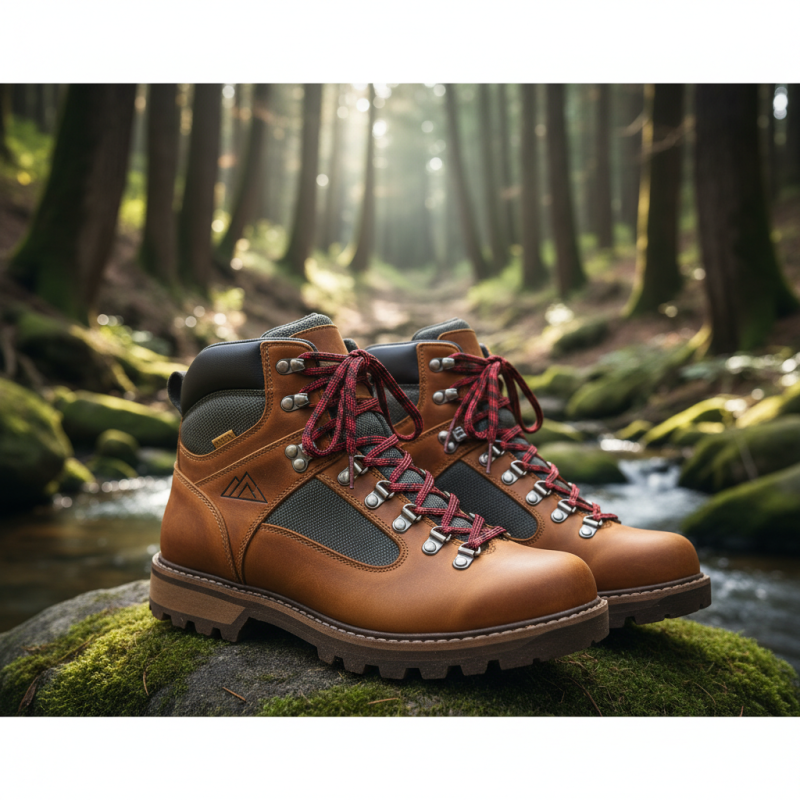
How to Choose Stylish Hiking Boots for Your Next Adventure?

Understanding Different Types of Hiking Boots for Various Terrains

Choosing the right hiking boots can feel overwhelming. Different terrains require different features to keep you safe and comfortable. For rocky trails, sturdy boots with ankle support are essential. They protect your feet from sharp stones. When venturing into wet areas, waterproof materials are a must. Your feet should stay dry to enjoy the journey.

For light hiking on well-marked paths, consider low-cut boots. They are lightweight and offer more flexibility. However, they may lack support for rough terrains. If you’re hiking in mountainous regions, mid-cut or high-cut boots are better choices. They provide the necessary stability and traction. Remember to pay attention to the sole thickness as well. Thicker soles offer more protection but may sacrifice comfort on flat surfaces.

Different boots can feel different on your feet. It’s important to try them on and walk around. Don’t rush this decision. Consider what feels right for your foot shape. You may find that some boots don't fit as perfectly as you'd hoped. Reflect on your past hikes. Did your feet hurt? Did your boots slip? Use these experiences to guide your choice.

Assessing Fit and Comfort for Your Hiking Boots

When choosing hiking boots, fit and comfort are crucial. Your feet will carry you through various terrains, so they need the right support. A well-fitted boot can minimize discomfort and blisters. Focus on trying different sizes. Don’t rush this process; the right fit takes time.

**Tip:** Always wear suitable hiking socks when trying boots. The thickness of the sock can change how a boot fits. Pay attention to areas that feel tight or loose. Ideally, your toes should have some space to move. Imagine walking downhill; your toes shouldn't hit the front.

Walking in a new pair indoors can help you gauge comfort. Feel for any pressure points that might develop into blisters. Remember, designs can be eye-catching, but comfort is king. Your feet deserve the best care, especially on longer hikes.

**Tip:** Consider the terrain you'll tackle. Boots that are perfect for rocky paths may not be ideal for muddy trails. Each adventure may require a different level of support and cushioning. Reflect on where you'll be hiking to make a wise choice.

Key Features to Look for in Stylish Hiking Boots

When selecting stylish hiking boots, it's essential to focus on key features. Comfort is paramount. A well-fitted boot prevents blisters and enhances your hiking experience. According to a recent industry report, improper fit accounts for 70% of foot discomfort in outdoor activities. A good rule of thumb is to try boots on at the end of the day when your feet are slightly swollen.

Next, consider the material. Breathable fabrics keep your feet dry, while waterproof options protect against wet conditions. The type of sole is equally important. A rugged outsole provides traction on uneven terrain. Data indicate that boots with Vibram soles reduce slip incidents by 25% in rocky environments. However, be cautious; heavier boots, while supportive, can lead to fatigue after long hikes.

Lastly, aesthetics cannot be overlooked. Stylish designs can elevate your adventure gear. But remember, appearance should not compromise functionality. Test boot flexibility as well. Sometimes, a boot that looks amazing may restrict movement. Analyze your preferred trails and select a boot that balances style and performance. Explore different options, but don’t rush the decision. Your choice will shape your hiking experience.

Materials and Durability: Choosing Boots That Last

When choosing hiking boots, material and durability are key factors. Footwear made from leather offers natural water resistance and breathability. Synthetic materials often weigh less, which is ideal for ultralight hikers. According to recent industry reports, 65% of serious hikers prefer boots made with full-grain leather for their longevity. Rubber outsoles are also crucial for providing necessary traction on rocky trails and muddy landscapes.

Durability is essential. A boot should withstand various elements over time. A study indicates that boots with reinforced stitching last 30% longer than those without. This is particularly important when trekking in rugged terrains. Seek options with waterproof linings to keep feet dry in wet conditions. Boots can wear out faster than expected, especially when hiking frequently. Regular maintenance, like cleaning and conditioning leather, can extend a boot's life.

Tips: Always check for industry certifications, such as "water-resistant" or "breathable." Examine the sole for grip patterns. These design elements can significantly impact performance and safety. Reflect on how often you hike when selecting features. Balance your needs against costs to make an informed decision.

Color and Design: Merging Functionality with Fashion

Choosing the right hiking boots is essential. A stylish pair can enhance your outdoor experience. Color and design play a key role in their appeal. As per industry reports, over 70% of consumers seek stylish outdoor footwear. This trend shows that fashion matters even in rugged terrains.

Earthy tones like browns and greens blend well with nature. These colors provide versatility, suitable for various landscapes. Bright accents are becoming more popular too. Many hikers are choosing vibrant hues. However, there’s a balance. Too much color can clash with the environment.

Design elements also influence decisions. Lightweight materials are preferred. They enhance comfort without sacrificing style. Waterproof features are crucial for durability. Yet, they can limit design choices. Finding boots that fuse these aspects is challenging. You may have to compromise on style for practical features. Many hikers reflect on this dilemma.

How to Choose Stylish Hiking Boots for Your Next Adventure? - Color and Design: Merging Functionality with Fashion

Feature Description Style Suggestion
Material Choose waterproof and breathable materials such as Gore-Tex for comfort. Earth tones or muted colors for a classic look.
Traction Rubber outsoles with deep lugs for better grip on varying terrains. Brightly colored soles for a pop of color.
Weight Lightweight boots for longer hikes, offering less fatigue. Streamlined designs with minimal embellishments.
Ankle Support Mid to high-cut boots for ankle support on rugged trails. Modern patterns or geometric designs for a stylish look.
Breathability Mesh panels to enhance airflow during hikes. Colorful mesh inserts to integrate style with function.
Fit A comfortable fit allows for better performance and reduces blisters. Customizable lacing systems in various colors for style.