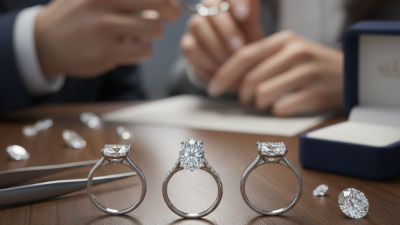
413 Central Ave, N Faribault, MN 55021 | 507-334-7114 | Hours: Tuesday-Friday 9am - 5:30pm & Saturday by appointment

Choosing a reliable diamond jewelry store requires more than admiring bright display lights. It requires evidence, patience, and a willingness to ask uncomfortable questions. A trustworthy store should explain diamond quality clearly, provide an independent grading report, and show the stone under balanced lighting. The salesperson should discuss cut, color, clarity, and carat weight without pushing the most expensive option.
Gemologist and author Antoinette Matlins puts it plainly: “Buy the best diamond you can afford.” Her advice reflects an important truth. Value depends on more than size. A well-cut diamond can appear livelier than a larger stone with weak proportions. Look for a report from a respected laboratory, such as GIA or AGS, and check that its identification number matches the stone. Small details matter.
Watch the prongs. Notice whether the setting feels secure. Ask about resizing, repairs, cleaning, insurance documentation, and the return period. A dependable diamond jewelry store will answer directly and provide written policies. It should also explain whether the diamond is natural or laboratory-grown, without creating confusion or pressure.
Online reviews can reveal repeated service problems, but they are not perfect evidence. A beautiful website proves little. Even experienced buyers can overlook fluorescence, uneven symmetry, or unclear return terms. I would revisit the decision before paying, especially when emotions rise beside a velvet tray. Reliability is not promised by confidence. It is demonstrated through transparent information, verifiable documents, skilled guidance, and support after the purchase.
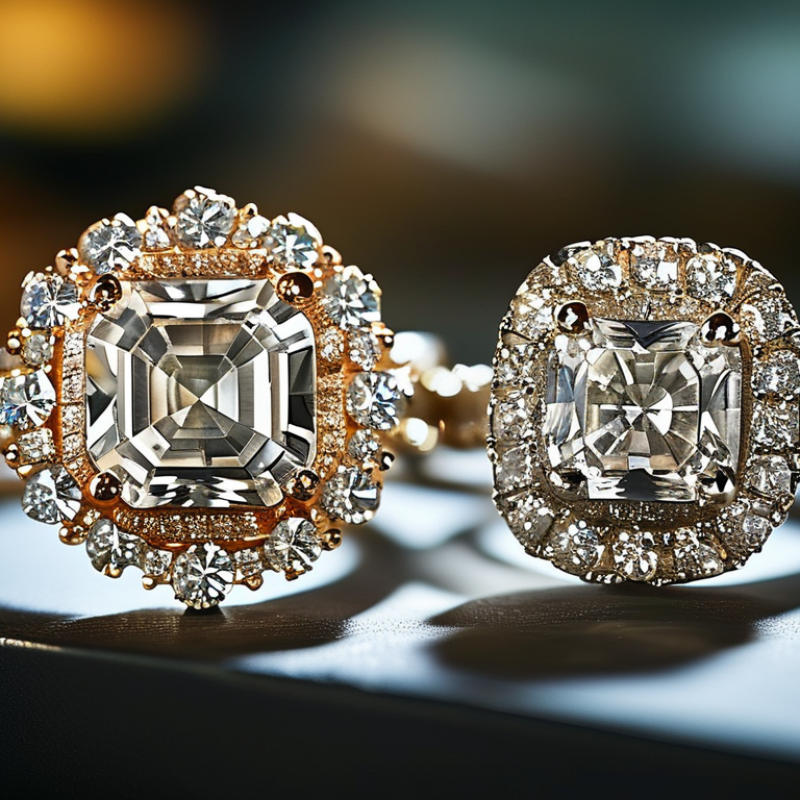
How to Choose a Reliable Diamond Jewelry Store?
A reliable store should explain GIA’s 4Cs clearly: cut, color, clarity, and carat weight. These standards help shoppers compare diamonds without relying on bright showroom lighting. Cut affects sparkle, while carat describes weight, not beauty. A poorly cut diamond may look dull, even when it is large.
Color uses the D–Z scale. D is colorless, while lower grades may show warm yellow or brown tones. Clarity ranges from Flawless to I3, based on visible inclusions and blemishes. Some inclusions are difficult to see without magnification. Others may affect durability. Ask to inspect the stone under neutral lighting, not only beneath display lamps. Request an independent grading report, then match its number with the diamond.
Tips: Compare two diamonds side by side. Check the report’s date and details. Ask how the setting protects the stone. Do not accept unclear answers. Transparency matters.
A trustworthy jeweler explains limitations, not just advantages. For example, a higher clarity grade does not always create more sparkle. Cut quality can matter more in everyday viewing. I have found that shoppers sometimes focus too heavily on color and forget proportions. That is an imperfect habit worth reconsidering. Take time to examine the diamond from several angles, and keep the promised specifications in writing.
A reliable diamond jewelry store should survive careful verification.
Start with the FTC Jewelry Guides. They explain how sellers should disclose laboratory-grown diamonds, treatments, imitations, and important product claims. Ask whether the stone comes with an independent grading report. Check that its report number matches the stone and invoice. A vague certificate is a warning sign.
Credentials matter, but they are not everything. Look for trained gemological staff, a verifiable business address, clear contact details, and transparent ownership information.
The 2023 Global Diamond Industry Report by Bain & Company and the Antwerp World Diamond Centre estimated laboratory-grown diamonds at about 10% of diamond jewelry value.
Therefore, ask direct questions about origin and pricing. That sounds simple. It is often not. Compare answers across two or three stores.
Read every policy before paying. Confirm return deadlines, refund methods, resizing charges, warranty limits, shipping insurance, and appraisal arrangements. A trustworthy store puts these terms in writing.
Reviews can reveal repeated delays, grading disputes, or difficult refunds. Examine recent reviews, detailed comments, and the store’s responses. Do not rely only on star ratings.
The FTC’s Consumer Sentinel Network Data Book shows how frequently consumers report fraud across marketplaces, so online confidence deserves evidence. I still treat polished websites cautiously. One missing policy can matter more than a beautiful product photograph.
A reliable diamond jewelry store should welcome verification, not rush your decision. Ask for the original GIA report before discussing price. It records the diamond’s 4Cs, measurements, proportions, treatments, and grading conclusion. GIA also states that a report is not an appraisal. It does not promise a resale value. That distinction matters.
Check the report number through GIA Report Check, using the institution’s official website. Compare every detail with the stone in front of you. Carat weight, measurements, shape, and clarity characteristics should match. Under magnification, look for the tiny laser inscription on the girdle. It should match the report number exactly. A mismatch is a stop sign. A matching number is not complete proof, however. Inscription fraud and document errors are uncommon, but careful buyers should still inspect the stone independently. The 2023–2024 Global Diamond Industry Report recorded a 58% wholesale price decline for laboratory-grown diamonds in 2023. Therefore, confirm whether the report describes a natural or laboratory-grown diamond, and ask for clear disclosure.
Tips: Request a loupe or microscope. Read the report before the sales pitch. Save a digital copy. Check the report date and security features. Ask why any treatment appears on the document. If the seller discourages verification, leave. I would also compare two stones with similar grades; paper grades can look surprisingly different in real lighting. GIA’s grading expertise is valuable, but a report should support judgment, not replace it.
When choosing a reliable diamond jewelry store, compare the stone with its independent grading report, confirm that the report number and laser inscription match, and review the recorded grading scales. The chart shows the number of standardized grades commonly used for key report dimensions: color ranges from D to Z, clarity from Flawless to Included 3, and cut, polish, and symmetry each use five grades.
How to Choose a Reliable Diamond Jewelry Store?
A reliable store should explain where its diamonds come from. The Kimberley Process covers 85 countries and monitors about 99.8% of global rough diamond production, according to Kimberley Process participation data. This framework helps prevent conflict diamonds from entering international trade. However, it mainly tracks rough diamonds. It does not prove every retail stone’s complete journey. That distinction matters.
Ask the jeweler for written origin information, supplier warranties, and an independent grading report. The World Diamond Council’s System of Warranties supports chain-of-custody declarations beyond basic export controls. The Responsible Jewellery Council also recommends documented due diligence across supply chains. A trustworthy seller should answer clearly, not react defensively. I would also compare the report number with the stone’s laser inscription, measurements, and clarity features. Small mismatches deserve attention.
Tips: Ask, “What documents support this origin claim?” Request invoices showing responsible sourcing. Check whether the grading report comes from an independent laboratory. Be cautious when staff promise “ethical” diamonds without evidence. The Kimberley Process is important, but it is not a complete ethical guarantee. Even experienced buyers can overlook gaps in paperwork. That is why careful questions still matter.
| Verification Dimension | Reliable Evidence or Standard | Verified Facts and Data | Questions to Ask the Store |
|---|---|---|---|
| Rough Diamond Origin | Kimberley Process Certification Scheme (KPCS) | The Kimberley Process was established in 2003 to prevent conflict diamonds from entering the legitimate rough-diamond trade. Its participants represent 85 countries and cover approximately 99.8% of global rough-diamond production, according to Kimberley Process information. | Can you explain the diamond’s rough-stone supply chain and provide the relevant origin documentation? |
| Kimberley Process Certificate | Valid certificate accompanying international shipments of rough diamonds | Under the KPCS, rough diamonds traded between participating countries must be transported in tamper-resistant containers and accompanied by a government-validated Kimberley Process certificate. | Is the stone rough or polished, and if it was cut from rough material, what chain-of-custody records are available? |
| Conflict-Diamond Policy | Written policy aligned with the KPCS and applicable national laws | The KPCS focuses specifically on preventing rough diamonds that finance rebel movements or conflict against legitimate governments from entering international trade. | Do you maintain a written responsible-sourcing policy, and can customers review it? |
| Diamond Identification | Independent grading report or laboratory identification document | A grading report can record the diamond’s carat weight, color, clarity, cut assessment where applicable, measurements, treatments, and identifying characteristics. These details help match the physical stone with the document. | Does the report number match the inscription or identifying details on the diamond and the sales invoice? |
| Supply-Chain Recordkeeping | Invoices, warranties, supplier declarations, and internal due-diligence records | The KPCS requires participating countries to maintain internal controls and trade statistics for rough diamonds. A retailer may not hold every upstream document, but it should be able to describe its sourcing controls. | How long do you retain sourcing and transaction records, and who verifies your supply-chain controls? |
| Product Disclosure | Clear disclosure of natural, laboratory-grown, treated, or recycled materials | The Kimberley Process applies to rough diamonds and does not itself grade polished diamonds, verify laboratory-grown diamonds, or certify every environmental and human-rights claim made by a retailer. | Is the diamond natural or laboratory-grown? Has it been treated, fracture-filled, or otherwise enhanced? |
| Consumer Protection | Detailed invoice, return terms, warranty, and after-sales service | A credible store should provide written product specifications, pricing, applicable taxes, warranty conditions, return or exchange terms, and treatment disclosures before purchase. | Will the invoice identify the diamond’s carat weight, characteristics, treatment status, metal type, and applicable warranty? |
| Important Limitation | Use the Kimberley Process as one part of broader due diligence | KPCS compliance is a rough-diamond trade control. It does not, by itself, guarantee a particular diamond’s complete environmental, labor, human-rights, or community-impact profile. | What additional responsible-sourcing, environmental, labor, and community-impact information can you provide? |
Reference note: Kimberley Process facts are based on publicly reported information about the Kimberley Process Certification Scheme. The coverage figure refers to rough diamonds and should not be interpreted as a guarantee covering every polished diamond or every aspect of a retailer’s business.
Choosing a reliable diamond jewelry store means comparing total value, not only the ticket price. Cut quality deserves close attention because it controls brightness, fire, and visual appeal. I ask to view the stone under neutral lighting and through a loupe. A diamond that looks lively in the case may appear dull elsewhere.
Read the return terms before paying. Check the exact return period, inspection conditions, refund method, and possible restocking fees. Some policies exclude resized or engraved pieces. That detail can change the real cost. A written warranty should explain coverage for loose stones, settings, prongs, and manufacturing defects. It should also state who pays for shipping and inspections. Vague promises are not protection.
Service fees deserve equal scrutiny. Ask about resizing, cleaning, repairs, appraisal documents, and future inspections. An independent grading report can support the store’s claims, but it does not replace careful reading. I once focused too heavily on a lower price and overlooked a costly resizing fee. That was my mistake. Reliable sellers explain limitations clearly and provide itemized invoices. Keep every document. Even attentive staff can make unclear statements, so confirm important promises in writing. A short conversation today may prevent an expensive misunderstanding later.