413 Central Ave, N Faribault, MN 55021 | 507-334-7114 | Hours: Tuesday-Friday 9am - 5:30pm & Saturday by appointment

In recent years, mens jewelry has gained significant popularity, becoming an essential accessory for men. According to a 2023 report by Statista, the global mens jewelry market is projected to reach over $10 billion by 2026. This growth reflects a shift in men's fashion, highlighting the importance of jewelry in personal style.
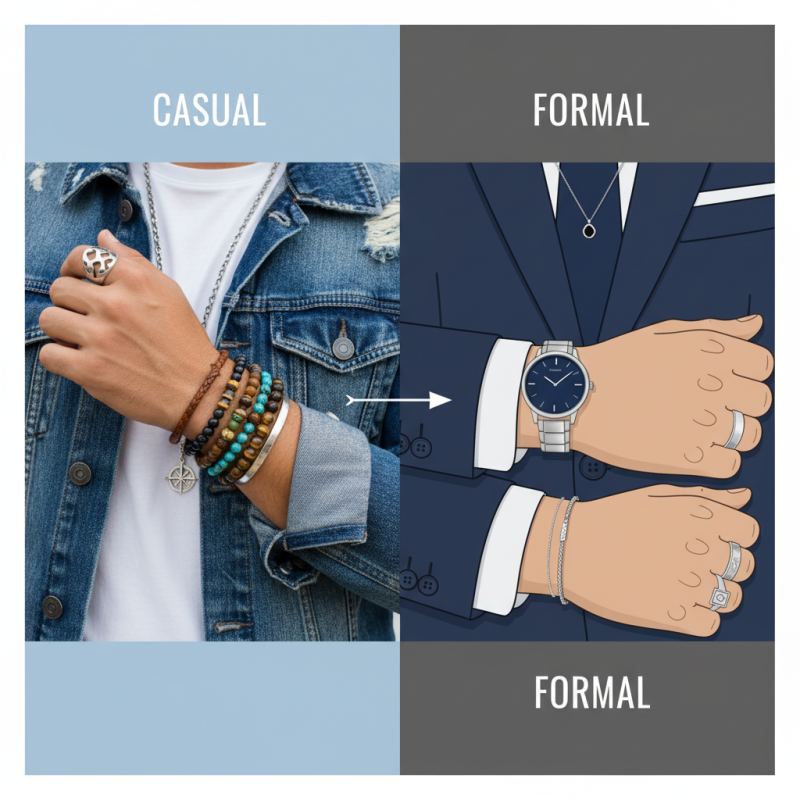
Choosing the perfect mens jewelry for every occasion can be challenging. Men often feel uncertain about what pieces to select. For instance, wearing a bold bracelet can enhance a casual outfit, while a classic watch adds elegance to formal attire. Many men overlook the impact of these choices, missing opportunities to express individuality.
Understanding the different types of mens jewelry is crucial. Necklaces, rings, and bracelets serve different purposes. They can convey messages about personality and lifestyle. However, without thoughtful selection, one risks looking mismatched or uncoordinated. Every piece should resonate with the wearer’s identity and the occasion at hand.
Men's jewelry trends have evolved significantly in the past few years.
According to a report by the Research Institute, the men's jewelry market is projected to reach
$10 billion by 2025. This surge indicates a growing acceptance of jewelry among men.
Understanding these trends is crucial for making informed choices.
Styles such as rugged leather bracelets and minimalist metal rings are gaining popularity.
A study reveals that 45% of young men prefer versatile pieces suitable for casual and formal events alike.
However, many still hesitate to wear jewelry, fearing it may seem unmasculine. This perception hinders personal expression
and style.
Current trends also lean towards sustainability.
Consumers are increasingly interested in ethically sourced materials.
Jewelry made from recycled silver or lab-grown gemstones is on the rise.
A recent survey shows that 60% of men aged 25-35 consider sustainability in their purchasing decisions.
This is an important shift that highlights a deeper connection to values.
Yet, many still overlook this aspect when choosing their accessories.
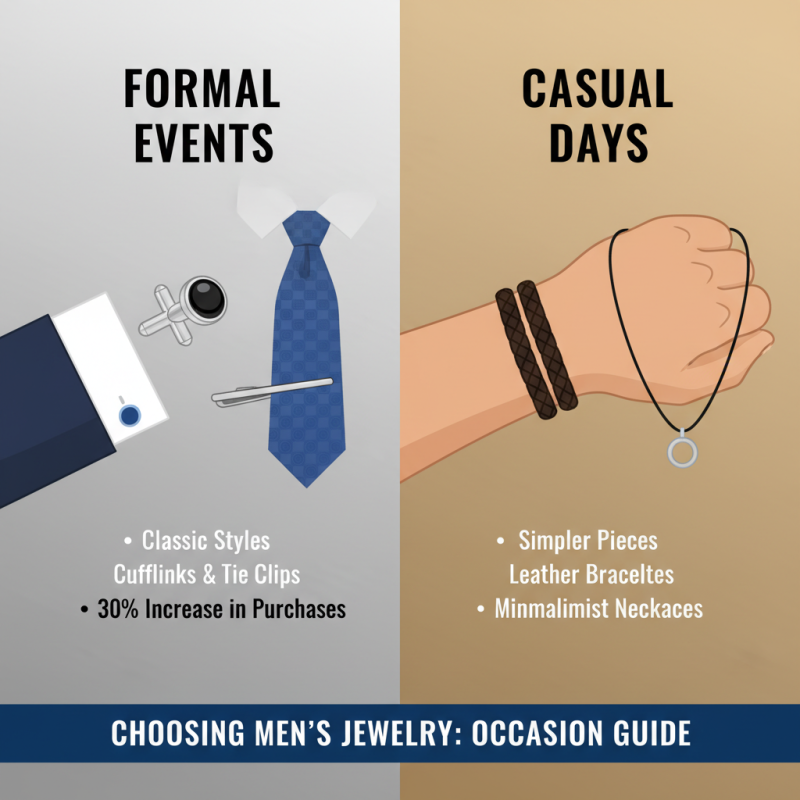
Choosing the right men's jewelry for different occasions involves several key factors. First, consider the event type. Formal events typically call for classic styles, like cufflinks or tie clips. According to a report from the Jewelry Consumer Opinion Council, formal occasions see a 30% increase in jewelry purchases. On casual days, simpler pieces work better. Think about leather bracelets or minimalist necklaces that offer style without being overly flashy.
Another vital aspect is personal style. Some men prefer bold statement pieces, while others opt for understated elegance. A study by the National Jeweler found that 55% of men feel their jewelry reflects their personality. It’s crucial to strike a balance between what you like and what feels appropriate for the setting. Experimentation can lead to unexpected insights, revealing pieces that complement an outfit better than expected.
Material also plays a role. Stainless steel and titanium are durable and often more affordable, making them suitable for everyday wear. Gold or silver, while more classic, can sometimes feel heavy and less versatile. Reflect on what each occasion demands, and remember that preferences may evolve. Be aware of these nuances; they can help refine your choices over time.
When choosing men's jewelry, material matters. Different metals and gemstones carry unique meanings. Gold symbolizes wealth and prestige. Silver offers a classic look, perfect for everyday wear. Stainless steel is durable and modern; it's great for casual settings. Brass can be bold and eye-catching but may need extra care to maintain its shine.
Consider the occasion carefully. For formal events, opt for subtle pieces in gold or platinum. Avoid overly flashy designs, as they can seem out of place. In contrast, casual outings allow more freedom. You can mix metals or add colorful stones. A simple leather bracelet can complement a laid-back look.
Tips: Match your jewelry with your outfit's mood. Subtlety is key for meetings; a simple silver tie clip might suffice. Keep in mind the maintenance. Some materials, like brass, require polishing. Reflect on how you feel wearing certain pieces. Jewelry should enhance your confidence, not overshadow it. Choose wisely and enjoy the process.
Accessorizing with jewelry can elevate your outfit, but it requires some thought. For a formal event, consider selecting a refined watch. It adds sophistication without being overly flashy. A simple silver or gold cuff can also enhance a tailored suit. The key is balance; too much jewelry can overwhelm your look.
For casual outings, be creative. Layered necklaces or beaded bracelets can express your personality. Mix metals for a daring style. Just keep in mind the activity you'll engage in. Jewelry can snag on clothing or get lost. Aim for comfort and style. Reflect on your choices; sometimes less is more.
When dressing for a night out, choose statement pieces. Chunky rings or bold earrings can be striking. However, avoid wearing everything at once. Limit your accessories to two or three standout items. This creates a cohesive look. Remember, it's about enhancing your outfit, not overshadowing it. Consider the vibe of the event, and choose wisely.
Jewelry has become a significant part of men's fashion, influencing identity and cultural expression. A recent trend report highlighted that 45% of men consider jewelry an essential accessory for self-presentation and personal style. Rings, bracelets, and necklaces are not just ornaments; they often carry deep emotional significance. They can symbolize relationships or milestones, like graduations or anniversaries.
Moreover, cultural influences shape preferences in men's jewelry. In many cultures, specific pieces may represent status or achievement. For instance, in certain communities, a particular ring might denote family lineage or professional recognition. However, this expectation can pose a dilemma, as not every man feels comfortable with traditional gender norms surrounding jewelry. Some choose pieces that are understated, while others opt for bold designs.
The market data indicates a growing segment of men, about 30%, now explore unique styles that resonate with their personal story. Yet, there is a risk of superficiality when selecting jewelry merely for appearance. The challenge lies in finding pieces that genuinely reflect personal values and identity instead of mere trends. Each piece should tell a story—not just follow fashion's fleeting whims.