Skip to content

How to Create Jewelry at Home for Beginners?

Creating your own jewelry at home can be a wonderful journey. With just a few materials, anyone can create jewelry that reflects their personal style. This craft not only allows for creativity but also offers a sense of accomplishment.

Begin with simple projects. You don’t need extensive training to start. Basic tools and supplies are often readily available. As you practice, you will discover unique techniques. However, expect to make mistakes along the way. It’s normal to struggle initially. Each error is an opportunity to learn.

Consider using materials like beads, wires, and charms. Experimenting with different combinations will spark inspiration. Embrace the imperfections of your work. This is part of the creative process. Remember, to create jewelry is to express yourself. Enjoying the journey can be just as rewarding as the final piece.
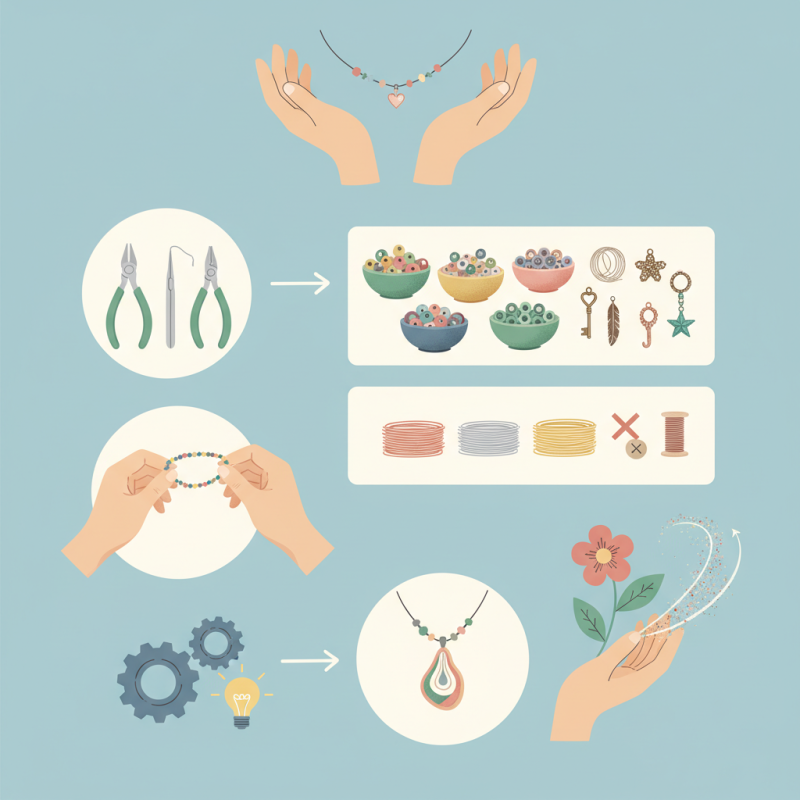
How to Create Jewelry at Home for Beginners?

Choosing the Right Materials for Homemade Jewelry

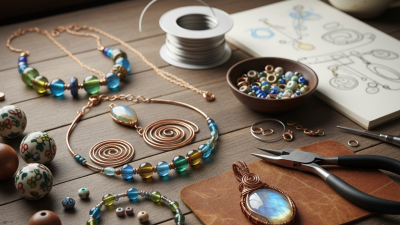
Choosing the right materials is essential for homemade jewelry. Start with basic supplies like beads, wires, and tools. You can find them at craft stores or online. Consider using different types of beads—wooden, acrylic, and glass. Each type has a unique look and feel. Mixing these materials can yield interesting results.

When selecting wire, think about the gauge. A lower gauge means thicker wire. Thicker wire is more durable but harder to bend. For beginners, a medium gauge is often a safe choice. Don’t shy away from experimenting, but learn from mistakes. Poor wire choices can lead to weak designs.

Don’t forget about clasps and earring hooks. They are crucial for functionality. Try different finishes, like gold or silver tones. They can change the piece's overall vibe. Remember, every creation might not turn out perfectly. It’s part of the learning process. Embrace the imperfections; they make your work unique.
Basic Jewelry-Making Tools Every Beginner Needs

Creating jewelry at home can be a rewarding experience. To start, having the right tools is crucial. Beginners often overlook the basics, but these tools make the process smoother and more enjoyable. A simple pair of pliers is essential. Needle-nose pliers help grasp small pieces, while round-nose pliers create loops for finished designs. Add wire cutters to your toolbox. They allow you to trim wire and other materials neatly.

Don’t forget about beads and findings. Beads come in various shapes and materials. They add color and texture to your creations. A bead mat helps keep your supplies organized, minimizing frustration. Hooks and clasps are important, too. They secure your pieces, preventing them from falling apart. Investing in a good wire is also key. It comes in various gauges and can be used for beading or creating structures. Mistakes will happen, and that's okay. Reflecting on what went wrong can lead to better designs in the future.

Lastly, as you dive into this craft, remember to experiment. There’s no right or wrong way to create. Each piece tells a story. Embrace your imperfections; they are part of your unique style. New techniques will come with time, so be patient and enjoy the journey of jewelry-making at home.

Simple Techniques for Creating Beaded Jewelry

Creating beaded jewelry at home can be an enjoyable project for beginners. Many people find satisfaction in crafting unique pieces. According to the Craft and Hobby Association, the jewelry-making segment is growing, with a projected increase of 15% over the next five years. This suggests a thriving community of hobbyists eager to express their creativity.

To start, gather essential materials such as beads, string, and tools. Nylon or silk thread works well for stringing beads. Opt for beads made of glass or wood, as they are beginner-friendly. Simple techniques like knotting and crimping are fundamental. However, beginners might struggle with tight knots or uneven spacing. Mistakes are part of learning and can lead to improved skills.

Consider using kits specifically designed for beginners. These kits often include step-by-step instructions, which can be helpful. Yet, be prepared for some trial and error. The challenge lies in refining techniques and exploring personal style. Taking the time to practice can result in beautifully crafted jewelry that reflects individual taste and creativity.

Design Ideas for Unique and Personalized Pieces

Creating unique and personalized jewelry at home can be an exciting venture. According to a recent report by The Jewelers of America, the handmade jewelry market has seen a growth rate of 29% year-over-year, highlighting the growing interest in personalized pieces. Beginners can start with simple materials. Natural stones, beads, and wires are great for crafting unique designs that reflect personal style.

Incorporating personal touches can elevate your pieces. Consider using family heirlooms such as old beads or charms. Each item tells a story and adds a layer of significance. Drawing inspiration from nature is also effective. For instance, leaf imprints can create beautiful pendants. This practice fosters creativity and makes your jewelry truly one-of-a-kind.

Tips: Start with basic tools. A pair of pliers, wire cutters, and a good workspace can help you craft effectively. Experiment with different combinations of materials, but not all ideas will work out. Mistakes can lead to new ideas, so embrace the trial-and-error process. Don’t hesitate to mix textures and colors; it could result in delightful surprises. Lastly, document your design journey. Reflecting on your progress can inspire future projects.

Finishing Touches: Closing and Assembling Your Jewelry

How to Create Jewelry at Home for Beginners?

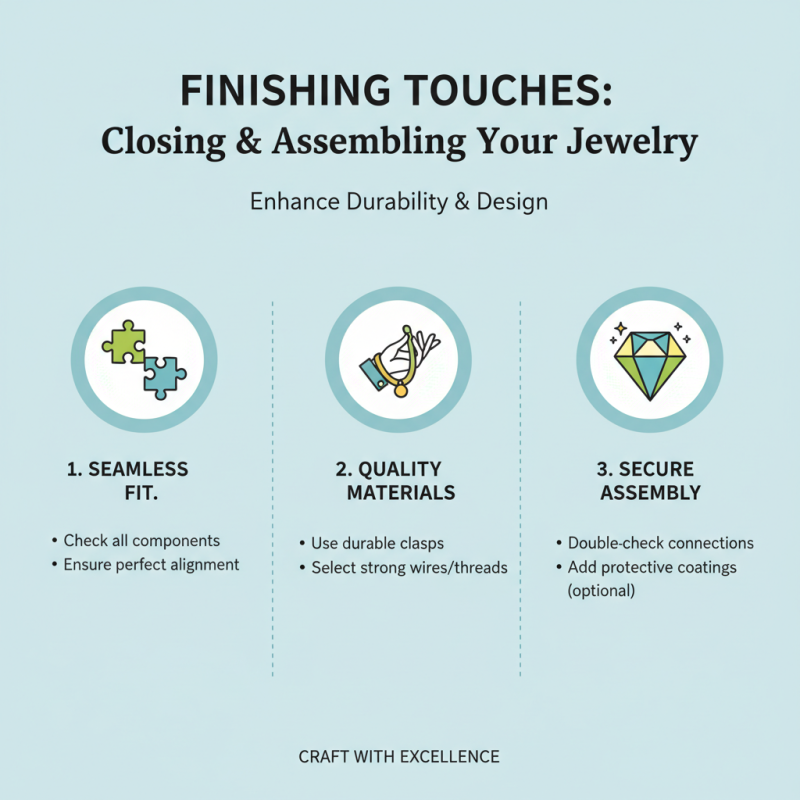
Finishing touches play a vital role in jewelry making. Closing and assembling your pieces requires attention to detail. Start by ensuring all your components fit together seamlessly. Use quality materials to enhance the overall look and durability of your creations.

When attaching clasps, consider different styles. Lobster clasps are popular, but toggle clasps offer a unique touch. Make sure to securely attach each piece. A weak connection can result in broken jewelry. It’s essential to test the strength of your assembly before wearing.

As you work on finishing, take time to evaluate your design. Sometimes, less is more. Over-embellished designs can lose elegance. You might need to rethink placement or color choices. Look at your piece from different angles. This reflection can lead to improvements and a more polished final product. Remember, even experienced jewelers continually refine their techniques. Exploring your own process is part of the journey.