What is an Engagement Ring? A Complete Guide to Choosing the Perfect One
An engagement ring is not just a piece of jewelry; it symbolizes love, commitment, and the promise of a shared future. According to a report by The Knot, approximately 80% of engaged couples receive an engagement ring, making it a quintessential part of modern courtship. Furthermore, the average expenditure on engagement rings has risen, with recent statistics indicating that couples in the United States spent an average of $6,000 in 2021. This growing trend underscores the significance placed on the engagement ring as a thoughtful and personalized expression of one's affection.
Choosing the perfect engagement ring is a blend of personal taste and understanding the fundamental aspects of ring selection. Factors such as the four Cs—carat, cut, color, and clarity—play crucial roles in determining the ring's appeal and value. Additionally, understanding current trends, such as the rising popularity of lab-grown diamonds, can inform buyers seeking a more ethical or budget-friendly option. As the search for that perfect engagement ring begins, prospective buyers must approach this heartfelt decision with knowledge and careful consideration, ensuring it reflects both the uniqueness of their relationship and the lasting commitment they wish to convey.
Understanding the Concept of Engagement Rings
Engagement rings have long symbolized love and commitment, making them an essential part of many couples' journeys toward marriage. The concept of an engagement ring dates back centuries, with early examples found in ancient Rome and Egypt, where they were used to signify a betrothal. Today, the tradition has evolved, and engagement rings often feature diamonds or other precious gemstones, representing the enduring nature of love. According to a recent report from The Knot, the average cost of an engagement ring in the United States reached approximately $6,000 in 2022, reflecting a steady increase over the years as couples invest in more personalized and significant pieces.
When choosing the perfect engagement ring, understanding the four Cs—cut, color, clarity, and carat weight—is crucial. These factors not only influence the aesthetic appeal of the ring but also its overall value. According to a survey conducted by Brides, nearly 80% of couples report that they prioritize quality over size when selecting a diamond. This insight highlights a growing trend toward meaningful choices rather than adhering to traditional expectations, signifying a shift in how couples approach engagement rings in their unique contexts. In addition, the rising emphasis on ethical sourcing and sustainable practices has transformed the engagement ring market, encouraging consumers to seek out options that reflect their values and beliefs.
Engagement Ring Popularity by Type
This bar chart displays the popularity of different types of engagement rings based on recent surveys. It helps prospective buyers understand the market trends and make informed choices.
The History and Evolution of Engagement Rings
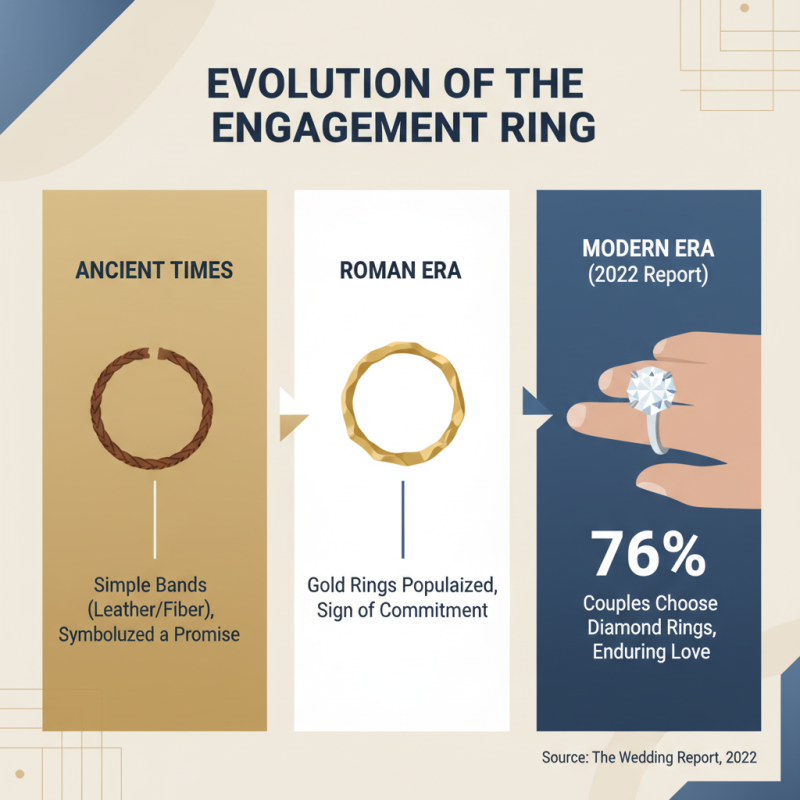
The concept of the engagement ring dates back centuries and has undergone significant transformations throughout history. Initially, engagement rings were simple bands made of leather or a similar material, symbolizing a promise of marriage. The Romans are often credited with popularizing the use of gold rings, which were exchanged as a sign of commitment. According to a 2022 report by The Wedding Report, 76% of couples now choose diamond engagement rings, underscoring the gemstone's pivotal role in modern engagements and its evolution as a symbol of enduring love.
The 20th century marked a turning point for engagement rings, propelled largely by marketing campaigns that cemented diamonds as the premier choice. De Beers' famous slogan, "A diamond is forever," introduced in 1947, effectively shaped consumer perceptions and expectations. Current industry statistics suggest that about 90% of engagement rings feature a diamond, with the average cost of a ring rising over the decades. As of 2023, the average price has reached approximately $6,000, reflecting the importance couples place on this significant piece of jewelry. Additionally, the rising trend of personalization, with custom designs becoming increasingly popular, indicates that engagement rings continue to evolve in meaning and significance beyond their traditional roles.
Different Types of Engagement Ring Settings
When selecting an engagement ring, the setting plays a crucial role in its overall appearance and how the center stone is showcased. Different types of settings not only affect the ring’s aesthetics but also its durability and comfort.
One of the most popular settings is the prong setting, which uses metal claws to hold the diamond or gemstone securely in place. This design allows for maximum light exposure, enhancing the stone’s brilliance. It is an ideal choice for those who want their ring to have a classic yet striking look.
Another well-loved option is the halo setting, where a circle of smaller diamonds surrounds the central stone. This design not only adds extra sparkle but also creates an illusion of a larger center stone, making it an appealing choice for many.
Additionally, the pave setting features small diamonds set closely together along the band, providing a continuous sparkle that elevates the ring’s elegance. This option works beautifully when looking to create a more intricate and glamorous design without overpowering the main stone.
Each setting offers unique advantages, ensuring that each couple can find a style that resonates with their personal taste and enhances the emotional significance of the engagement ring.
Choosing the Right Diamond or Gemstone for Your Ring
Choosing the right diamond or gemstone for an engagement ring is a critical decision that requires careful consideration of multiple factors. The most commonly selected stone is the diamond, noted for its unparalleled brilliance and durability. According to a report by the Gemological Institute of America (GIA), the 4Cs—carat, cut, color, and clarity—are essential criteria to evaluate when selecting a diamond. The structure of these characteristics significantly influences not only the stone's beauty but also its price. For instance, an increase in carat weight can drastically elevate a diamond's cost, with a 1-carat diamond averaging around $6,000, while larger diamonds see exponentially higher prices due to their rarity.
However, it's worth noting that engagement rings are now embracing a wider array of gemstones beyond traditional diamonds. Options such as sapphires, emeralds, and moissanite are becoming increasingly popular, offering unique colors and meanings. The American Gem Society indicates that colored gemstones can be more affordable than diamonds, with many high-quality options available at a fraction of the price of a comparable diamond. This shift reflects not only a trend toward personal expression but also a desire for eco-conscious alternatives, as many consumers are now prioritizing ethically sourced or lab-grown stones. Thus, understanding the variety of choices available can help in selecting the perfect gemstone that aligns with individual preferences and values.
Tips for Finding the Perfect Engagement Ring for Your Partner
Choosing the perfect engagement ring for your partner can be both exciting and overwhelming. With so many styles, metals, and stone options available, it’s important to consider what will resonate most with your beloved’s unique taste. Start by paying attention to the jewelry they currently wear. Notice the metal they prefer—do they lean towards yellow gold, white gold, or perhaps rose gold? Additionally, look for clues in their style; do they favor vintage designs, modern minimalism, or something more intricate?
When selecting the ring, remember the 4 Cs of diamonds: cut, clarity, color, and carat weight. Each of these factors contributes to the stone's overall look and value. Choosing a cut that maximizes brilliance can make a significant difference, and understanding these elements can help you prioritize what matters most to your partner. For someone who values originality, consider unique shapes or a colored gemstone instead of a traditional diamond.
Lastly, consider the ring's fit and comfort. It’s wise to either sneakily find out their ring size or seek assistance from a close friend or family member. Rings should feel comfortable enough for daily wear, so ensure the design complements their lifestyle. By taking these factors into account, you can confidently choose a ring that reflects both your partner’s personality and your love for them.
What is an Engagement Ring? A Complete Guide to Choosing the Perfect One
| Aspect |
Details |
| Metal Type |
Gold, Platinum, Silver |
| Stone Type |
Diamond, Moissanite, Gemstones |
| Shape |
Round, Princess, Oval, Marquise |
| Carat Weight |
0.5ct to 3ct (depending on budget) |
| Setting Style |
Solitaire, Halo, Three Stone |
| Budget Range |
$500 to $10,000+ (personal preference) |
| Buying Considerations |
Partner's Style, Lifestyle, Ring Size |
| Popular Occasions |
Proposals, Anniversaries, Commitment Events |