Skip to content

10 Essential Tips for Choosing the Perfect Diamond Pendants

Choosing the perfect diamond pendants can be a daunting task. With the global diamond market valued at approximately $80 billion in 2023, consumers are faced with numerous options. Understanding the nuances of diamond quality, design, and personal preference is crucial.

In this realm of elegance, clarity and cut often steal the spotlight. Yet, many buyers overlook the significance of the pendant's setting and style. Industry reports indicate that nearly 70% of consumers prioritize design over stone quality, which can lead to disappointing choices later. Buying a diamond pendant isn't just a financial investment; it’s an emotional one too.

Must you always choose the largest stone? Sometimes smaller, carefully chosen diamonds can outshine their larger counterparts. Exploring various styles helps buyers find what resonates deeply. Your decision should not lead to regrets. Reflect on what this piece represents for you, ensuring it embodies your essence rather than just a fleeting trend.
10 Essential Tips for Choosing the Perfect Diamond Pendants

Understanding the Different Types of Diamond Pendants Available

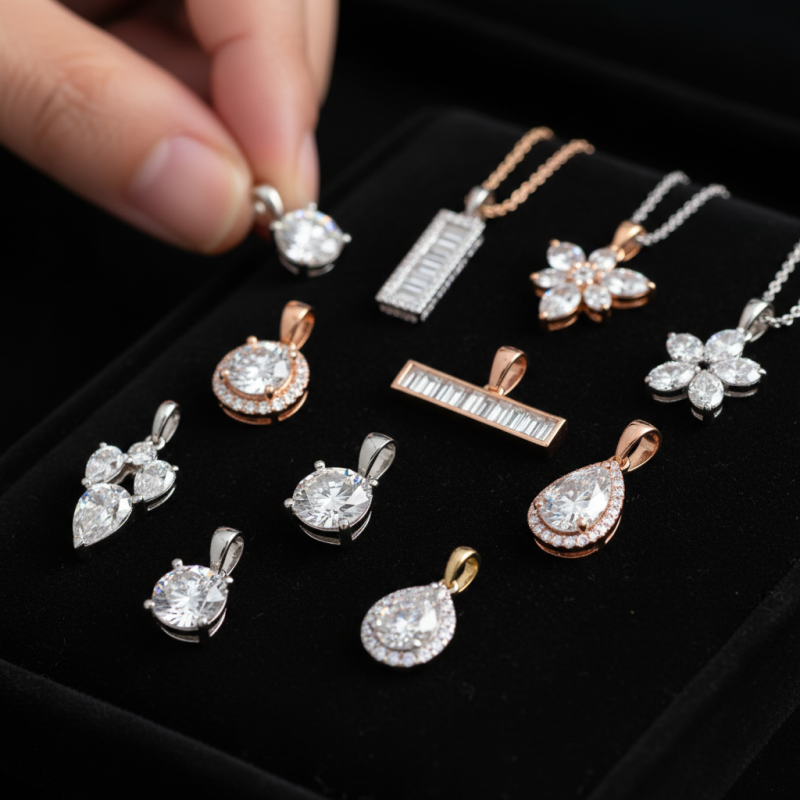
When selecting the perfect diamond pendant, understanding the different types available is vital. There are various styles to consider. Classic solitaire pendants showcase a single diamond, emphasizing its brilliance. They are often timeless and versatile, fitting any occasion.

Another popular choice is the halo pendant. This design features a central diamond surrounded by smaller stones. The halo effect enhances the center diamond's size and sparkle. These pendants can be a bit flashy, catering to those who enjoy a more extravagant look. However, they may not appeal to everyone.

Cluster pendants are also worth noting. They feature multiple diamonds arranged closely together. This design offers a unique and intricate appearance. Yet, it may come off as less elegant than simpler styles. Some find clusters too overwhelming for everyday wear. Ultimately, each style reflects personal taste and lifestyle. Careful consideration will help guide your choice.
Diamond Pendant Types and Their Popularity

This chart illustrates the popularity of different types of diamond pendants based on consumer preferences, with Solitaire being the most favored choice, followed by Halo and Drop designs.

Evaluating the Quality of Diamonds: The 4 Cs Explained

When selecting a diamond pendant, understanding the quality of diamonds through the 4 Cs is crucial. The 4 Cs—cut, color, clarity, and carat weight—are the foundation of a diamond's value. According to the Gemological Institute of America, the cut determines how light reflects through the diamond. A well-cut diamond sparkles beautifully, while a poor cut can appear dull. Choose diamonds that receive a grade of Excellent or Ideal for the best brilliance.

Color is another important factor. Diamonds range from colorless to light yellow. GIA states that most consumers prefer near-colorless diamonds, as they show minimal color. A slight tint can impact desirability and value. Clarity measures the presence of inclusions or blemishes. Even minor flaws can affect a diamond’s beauty. Consider diamonds with a clarity grade of VS2 or higher for a better visual appeal.

Lastly, carat weight affects price significantly. Larger diamonds are rare, making them more expensive. However, investing in a slightly smaller diamond with superior cut and clarity can yield a more stunning piece. Reflection on these aspects is essential. Sometimes, buyers focus solely on size, overlooking the other valuable qualities. Finding balance is key. Take time to evaluate each Cs carefully; this could make all the difference in selecting the perfect diamond pendant.

Choosing the Right Metal Setting for Your Diamond Pendant

10 Essential Tips for Choosing the Perfect Diamond Pendants

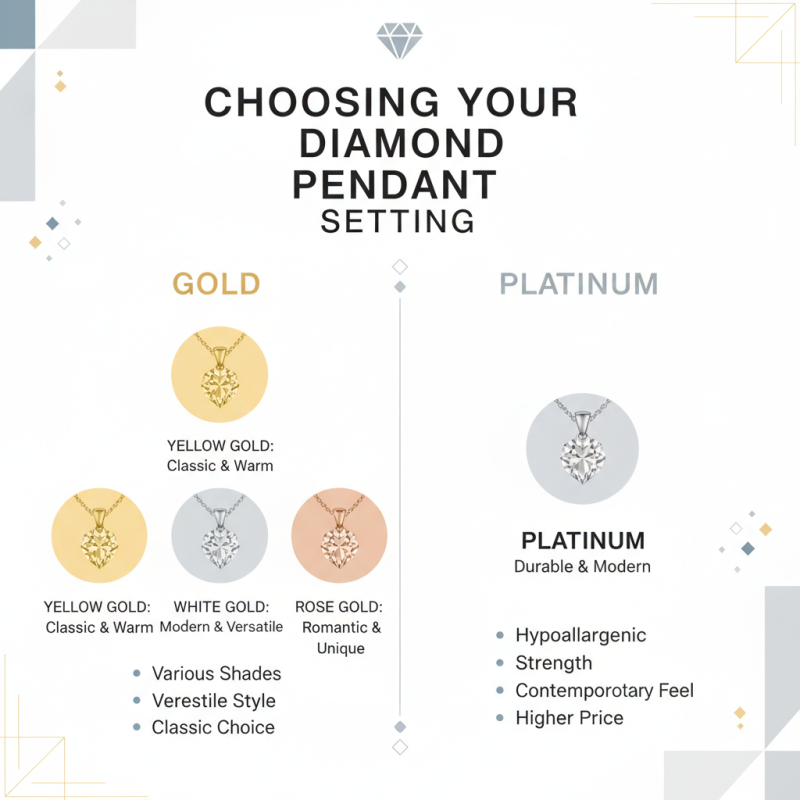
When choosing a metal setting for your diamond pendant, consider the overall style. Gold is classic and versatile. It comes in various shades, like yellow, white, or rose. Each adds a unique touch to the pendant. If you prefer something modern, platinum is a great choice. It’s durable and hypoallergenic. However, it can be pricier than gold.

Think about your lifestyle too. A softer metal, like yellow gold, may scratch easily. White gold, on the other hand, often has rhodium plating which can wear off over time. This is a factor to consider during your decision-making process. Try to envision how often you will wear the pendant. Will it be for special occasions or daily use?

Personal preferences also play a crucial role. Some people are drawn to intricate designs, while others prefer a minimalist look. Don't rush the choice. Explore different metals and settings. This can help refine your vision. You may find that a particular metal truly resonates with your personal style, enhancing the beauty of the diamond itself.

Matching Your Diamond Pendant with Personal Style and Occasion

When selecting a diamond pendant, consideration of personal style and occasion is key. Studies show that over 70% of consumers feel more confident when wearing jewelry that reflects their unique style. For example, a contemporary pendant may resonate with those who prefer minimalistic designs, while vintage styles can appeal to traditional tastes. At the same time, the occasion plays a critical role in the selection process. A simple diamond teardrop works beautifully for everyday wear, while a more elaborate piece might be fitting for formal events.

Color and metal choice also impact compatibility with personal style. The combination of rose gold and a colored diamond is trending among millennials, with a recent report indicating that these choices are popular for weddings and parties. Surprisingly, many still choose safe options like white gold or platinum, sometimes missing a chance to express individuality. It's essential to consider how the pendant complements not only the outfit but also the wearer's personality. Some styles may feel too bold or too understated, leading to regret later. Taking time to reflect on these aspects can yield a pendant that encapsulates both personal taste and the significance of special occasions.

10 Essential Tips for Choosing the Perfect Diamond Pendants - Matching Your Diamond Pendant with Personal Style and Occasion

Tip Number Tip Description Best Occasion Matching Style
1 Consider the cut of the diamond for maximum sparkle. Evening events Elegant and sophisticated
2 Choose a metal that complements your skin tone. Casual outings Casual and trendy
3 Match the pendant size with your neckline. Formal gatherings Classic and timeless
4 Consider the clarity of the diamond for a flawless look. Weddings and anniversaries Romantic and glamorous
5 Select a design that reflects your personality. Birthday celebrations Personal and unique
6 Consider the diamond's color for a harmonious look. Cocktail parties Stylish and chic
7 Ensure durability for everyday wear. Day-to-day use Practical and versatile
8 Incorporate personal motifs or symbols in the pendant. Graduations Meaningful and personal
9 Pay attention to the chain's length and style. Family gatherings Comfortable and stylish
10 Discuss with jewelry experts to find your ideal match. Any occasion Informed and confident

Considering Budget and Investment Value When Buying Diamonds

When choosing a diamond pendant, budget is a significant factor. Diamonds can be costly, so setting a clear budget is essential. Research the average prices for diamond quality and sizes. However, it's easy to get carried away. Some may find themselves overspending on bigger stones that may not retain value over time. This can lead to regrets.

Consider the investment value of the diamond. Not all diamonds appreciate in value. Focus on quality traits like cut, clarity, and color. A well-cut diamond can appear larger and more brilliant. Moreover, smaller, high-quality stones can offer better long-term value than larger, lower-quality diamonds. Evaluate these aspects carefully. It's important to balance personal desires with financial sense. A beautifully crafted pendant should not become a financial burden.