Skip to content

How to Find Reliable Fine Jewelry Stores Worldwide?

Finding reliable fine jewelry stores requires more than admiring a bright window display. A store may look prestigious and still provide limited information. Grand View Research estimated the global fine jewelry market at approximately USD 231.7 billion in 2023. It also projects continued growth through 2030. That expansion creates more choice, but also more confusion for buyers.

Industry analyst Edahn Golan has emphasized, “Transparency is becoming a competitive advantage in the jewelry business.” His observation offers a practical test. Reliable fine jewelry stores should explain metal purity, gemstone treatments, laboratory reports, return policies, and repair coverage clearly. Ask to see a hallmark. Request an independent appraisal when the purchase is significant. Check whether the store identifies its suppliers and follows recognized sourcing standards. These small details matter.

Reports from the World Gold Council also show how strongly jewelry demand responds to changing gold prices. A higher price can affect weight, design, and resale expectations. Therefore, compare several quotations before deciding. Online reviews help, but they are not evidence alone. Look for consistent feedback across established platforms and professional associations. Credentials matter. So does after-sales service.

Perfection is unrealistic. Even experienced buyers can overlook unclear insurance terms or gemstone treatments. I have found that the quietest warning is often an evasive answer. A trustworthy jeweler welcomes questions, provides written details, and allows reasonable time for reflection. Choose evidence over urgency. Choose clarity over glamour.
How to Find Reliable Fine Jewelry Stores Worldwide?

Define What Makes a Fine Jewelry Store Reliable

A reliable fine jewelry store proves its standards before asking for your trust. Look for clear metal purity, gemstone treatments, origin claims, and pricing explanations. The World Gold Council’s Gold Demand Trends 2024 reported about 1,877 tonnes of global gold jewelry demand. Volatile gold prices make transparent calculations especially important.

Ask for an itemized invoice, independent laboratory documentation, and a written return policy. A professional seller should explain grading terms without pressure or vague promises. Check whether repairs, resizing, insurance valuations, and after-sales inspections are handled by qualified specialists. The Responsible Jewellery Council’s Code of Practices emphasizes supply-chain due diligence, responsible sourcing, and business integrity. These are practical reliability signals, not decorative certifications.

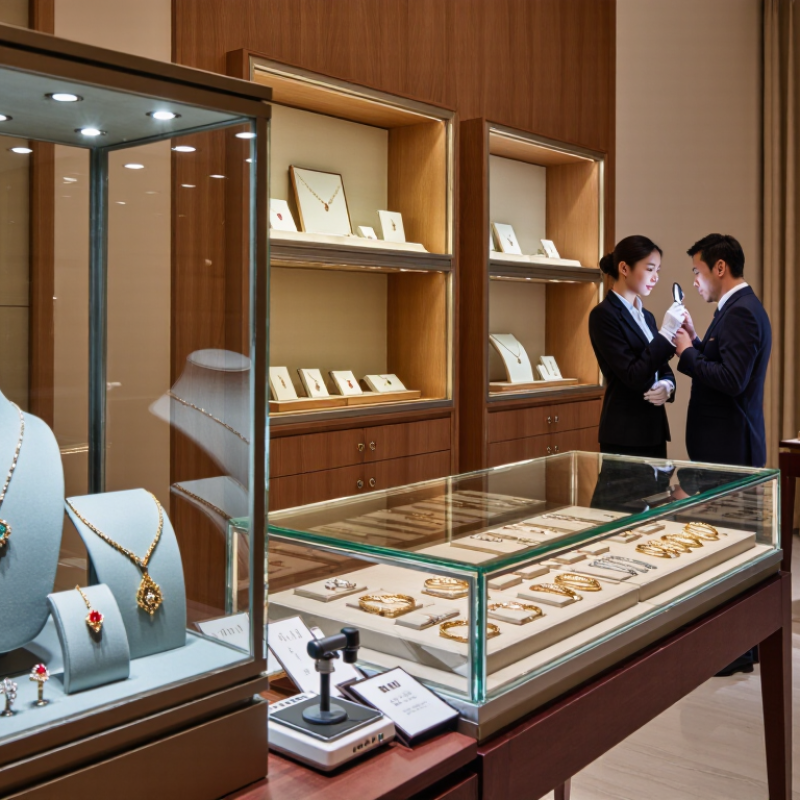
Observe the store carefully. Is the gemstone inspected under a loupe? Are pieces stored securely? Do staff answer difficult questions directly? Receipts matter. A polished showroom can still hide weak service systems. Bain & Company’s Luxury Goods Worldwide Market Study reported that the global personal luxury market reached approximately €362 billion in 2023, showing the scale of premium consumer spending. Yet market size does not guarantee honest selling.

No checklist is perfect. A store may provide excellent documents but poor communication after purchase. Test that relationship before buying. Send a specific question by email and judge the response time, precision, and willingness to disclose limitations. Reliable stores welcome verification. Be cautious when urgency replaces evidence.

How to Find Reliable Fine Jewelry Stores Worldwide?

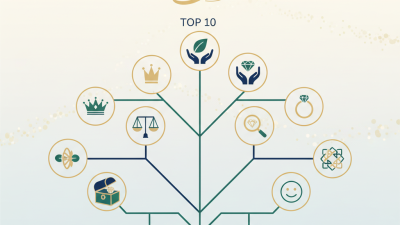
This 100-point evaluation model defines the main signals of a reliable fine jewelry store. The highest weight is given to independent certification and accurate product information, followed by transparent pricing, written after-sales policies, responsible sourcing, secure transactions, and customer support. Buyers can use these criteria to compare stores without relying only on reputation or advertising.

The criteria reflect widely recognized jewelry-trade and consumer-protection practices, including independent gemstone reports, metal fineness disclosure, transparent treatment information, written return terms, warranty documentation, and responsible supply-chain due diligence.

Research Store Credentials, History, and Professional Standards

Reliable fine jewelry stores reveal their standards through verifiable details, not polished photography. Check the store’s legal registration, physical address, contact information, and years in operation. A long history does not guarantee quality, but unexplained gaps deserve careful questions. Look for clear invoices describing metal purity, gemstone treatments, measurements, and warranties. Independent grading reports should identify the stone accurately and come from recognized gemological laboratories.

Professional standards appear in daily practice. Ask whether trained gemologists inspect each piece and whether repairs are completed by qualified bench professionals. A trustworthy store explains sourcing policies without vague promises. It should also provide written return, resizing, insurance, and aftercare terms. Compare these details across several countries, because documentation and consumer practices differ worldwide. I once assumed an elegant showroom meant careful service; that assumption was too easy. Good presentation is only one small piece of evidence.

Tips: Search the store’s business history through official registries and established trade directories. Read recent customer reviews, but examine repeated patterns rather than one angry comment. Request a sample invoice before purchasing. Ask who issued the gemstone report and verify its report number independently. Notice how staff respond when you ask difficult questions. Patience suggests confidence; pressure suggests caution. Keep every document, photograph, and service promise. Even careful research has limits, so an independent appraisal before a major purchase may be worthwhile.

Evaluate Jewelry Quality, Authenticity, and Certification

Finding a reliable fine jewelry store begins with evidence, not polished lighting or confident sales language. Examine each piece under a loupe, and look for even settings, secure prongs, clean finishing, and consistent metal marks. A reputable seller should explain gemstone color, clarity, treatments, weight, and metal purity in plain language. Ask whether an independent gemological laboratory issued the report. The document should include a report number, security features, and details matching the stone in your hand. Verify that number through the laboratory’s official database. Small differences matter.

Certification is useful, but it is not magic. A report identifies characteristics; it does not automatically prove fair pricing or perfect condition.

I once trusted a detailed certificate too quickly and forgot to inspect the mounting. The stone was documented well, yet the setting showed uneven polish. That mistake changed my buying routine.

Now I compare the certificate, invoice, photographs, and physical item before paying. Request disclosure of treatments, synthetic materials, replacement stones, and any repairs. If the seller avoids direct answers, pause. A reliable store welcomes independent verification and provides a clear return policy. For international purchases, confirm who issued the certificate and whether its standards are recognized by qualified professionals in your region. Keep every document, including valuation records and service notes. Confidence should come from matching facts, not pressure.

Compare Pricing, Policies, Services, and Customer Reviews

Finding a reliable fine jewelry store requires more than admiring polished photographs. Compare like-for-like details: metal purity, item weight, stone grading, labor charges, taxes, shipping, and insurance. The World Gold Council’s Gold Demand Trends 2024 reported total gold demand of 4,974 tonnes, showing why metal prices can change quickly. A low online price may exclude setting fees or import costs. Ask for a dated quotation. Keep it in writing.

Policies reveal operational maturity. Check return windows, resizing charges, repair coverage, appraisal documents, and delivery procedures. International buyers should confirm which country handles returns and disputes. Services matter too. A professional seller should explain grading terms clearly and provide secure payment options. BrightLocal’s 2024 Local Consumer Review Survey found that 91% of consumers read online reviews. However, review volume alone proves little. Read recent comments across independent platforms. Look for repeated details about packaging, communication, accuracy, and refunds. One enthusiastic review is not evidence.

Tips: Compare three written quotes. Check the seller’s physical address and customer-service response. Read negative reviews first. Use a calculator for total landed cost. Ask whether photographs show the actual piece. Request a certificate from an appropriately recognized laboratory when relevant. I once trusted a perfect rating too quickly; the policy page was vague. That was my mistake. Reviews can also be filtered, misunderstood, or outdated, so combine them with documents, transparent pricing, and patient questions.

Verify International Safety, Shipping, and After-Sales Support

Finding reliable fine jewelry stores worldwide requires more than attractive photography. The World Gold Council reported 1,877.1 tonnes of global jewelry consumption in 2024 (Gold Demand Trends, Full Year 2024). That scale increases the need for traceable sourcing and precise descriptions. Check the seller’s legal entity, physical address, service hours, and independent reviews. Ask for metal fineness, gemstone treatment, total weight, and an internationally recognized grading report. Verify the report number through the issuing laboratory. Do not trust a screenshot alone. Small detail, big difference.

International delivery should state the carrier, insurance limit, tracking process, and customs responsibility before payment. The UN Trade and Development estimates business e-commerce sales reached about 27 trillion US dollars across 43 economies in 2022 (Digital Economy Report 2024). Cross-border transactions are therefore substantial, but procedures remain uneven. Incoterms 2020 clarifies how duties, risk, and delivery obligations are allocated. “Free shipping” can still hide import charges. Request written confirmation.

After-sales support reveals practical reliability. A trustworthy store explains return windows, resizing costs, repair procedures, warranty exclusions, and response times. The FTC Jewelry Guides emphasize clear disclosures about metal content, treatments, and product claims. Save every message, invoice, certificate, and delivery record. Test support before ordering with a specific question. Some stores answer quickly, then disappear after payment. No checklist is perfect. That possibility deserves honest consideration.

How to Find Reliable Fine Jewelry Stores Worldwide? - Verify International Safety, Shipping, and After-Sales Support
Verification Dimension What to Check Reliable Evidence or Practice Practical Benchmark Warning Sign
Business Identity Confirm the legal business name, physical address, contact details, and registration information where available. Company details are consistent across the website, invoices, payment page, and official business registers. Information is consistent Only a messaging-app account, a mailbox address, or contact details that change between pages.
Product Transparency Review metal purity, gemstone type, treatments, total carat weight, dimensions, and product condition. Each item has a detailed specification sheet and clearly distinguishes natural, laboratory-grown, treated, and imitation materials. Specifications are item-specific Vague terms such as “diamond-like,” “gold color,” or “premium stone” without technical details.
Metal Purity and Hallmarks Check whether the stated fineness and hallmark requirements match the country where the item is sold or manufactured. Purity is stated using recognized fineness marks such as 750 for 18-karat gold or 950 for platinum, subject to local rules. Markings match documentation Purity is advertised without a hallmark, invoice description, or explanation of local standards.
Gemstone Documentation For significant diamond or gemstone purchases, verify whether an independent laboratory report is appropriate. The report number can be checked directly with the issuing laboratory, and the report describes the same stone or item. Report details are verifiable A seller provides only an internal “certificate” and discourages independent verification.
Pricing Integrity Compare the price with the metal weight, stone specifications, craftsmanship, taxes, and included services. The seller explains whether the price includes taxes, import charges, resizing, appraisal, or certification. Total cost is disclosed Large discounts are paired with urgency, countdown timers, or pressure to pay outside the checkout system.
Secure Payment Use a payment method that provides transaction records and, where applicable, buyer dispute procedures. Checkout uses a secure connection and displays the final order amount before authorization. Payment is traceable Requests for cash, cryptocurrency, bank transfer to an unrelated individual, or payment links sent privately.
International Shipping Check available destinations, delivery estimates, carrier arrangements, tracking, and customs responsibilities. The policy states who acts as importer of record and whether duties, taxes, brokerage, and delivery fees are prepaid or collected on arrival. Import terms are explicit “Worldwide shipping” is advertised without information about customs clearance or destination restrictions.
Transit Insurance Determine whether loss, theft, and damage during transport are covered and how claims are filed. Coverage applies to the declared value, uses a trackable service, and identifies the party responsible for filing a claim. Coverage and claims are defined Uninsured shipping, an unclear declared value, or a policy that excludes high-value jewelry without notice.
Packaging and Delivery Review signature requirements, discreet packaging, tamper evidence, and inspection instructions. High-value shipments normally use secure packaging, tracking, and signature confirmation where available. Receipt is documented The customer is told to accept a visibly damaged package without recording the condition or contacting the carrier.
Returns and Cancellations Read the return period, eligibility conditions, refund method, shipping responsibility, and exclusions for customized items. The policy is accessible before payment and explains how made-to-order, engraved, resized, or worn items are treated. Terms are available before checkout No written return policy, unexplained restocking charges, or restrictions disclosed only after purchase.
Warranty and Repairs Check the duration, covered defects, exclusions, repair process, turnaround time, and international service arrangements. Warranty terms identify whether manufacturing defects, loose stones, plating wear, accidental damage, and normal wear are treated differently. Coverage is itemized “Lifetime warranty” is used without defining the covered problems or service conditions.
Resizing and Maintenance Confirm whether resizing, cleaning, inspection, and stone tightening are available after delivery. The seller states the allowable ring-size range and explains how local or international service is arranged. Service options are practical Resizing is promised without discussing design limitations, stone settings, or additional charges.
Customer Support Test the response quality before purchasing by asking a specific question about materials, shipping, or returns. Support provides a clear written answer, identifies the responsible team, and maintains accessible contact channels. Answers are specific and documented Generic replies, pressure to purchase immediately, or refusal to provide written policy details.
Privacy and Data Security Review the privacy policy, data collection practices, cookie settings, and account-security options. The site explains how payment and personal data are handled and provides a secure checkout process. Data practices are disclosed Unnecessary identity documents are requested through unsecured messages or the site lacks basic privacy information.
Ethical and Legal Sourcing Ask how precious metals and gemstones are sourced and whether restricted materials are involved. The seller provides a sourcing statement and identifies any documentation required for protected materials or cross-border trade. Origin claims are supported Unverifiable claims such as “conflict-free” or “fully ethical” without definitions or supporting information.
Independent Reputation Look for reviews across multiple independent sources and evaluate patterns rather than isolated ratings. Reviews discuss product accuracy, delivery, returns, and support over time, with responses that address specific issues. Feedback is consistent Only testimonials hosted by the seller, repeated wording, or a sudden concentration of very recent reviews.