413 Central Ave, N Faribault, MN 55021 | 507-334-7114 | Hours: Tuesday-Friday 9am - 5:30pm & Saturday by appointment

In the world of gold engagement rings, trends evolve each year, reflecting personal styles and preferences. Renowned jewelry designer Sarah McCoy states, "Choosing a gold engagement ring is about capturing the essence of your love story." This insight captures the emotional significance behind selecting these treasured symbols of commitment.
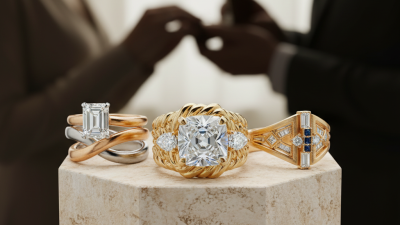
As we look to 2026, various styles are emerging that cater to diverse tastes. From minimalist designs with sleek bands to vintage-inspired pieces, there is something for everyone. Yellow, white, and rose gold options are becoming increasingly popular, allowing couples to express their individuality. Each style carries unique attributes that can resonate with the wearer's personality.
However, the decision-making process can be challenging. Couples may feel overwhelmed by the choices available. An engaged couple should consider their style, lifestyle, and budget. Reflecting on these factors can lead to a more satisfying selection. Gold engagement rings are not just accessories; they represent a profound promise. Thoughtful reflection on this choice is essential for a meaningful commitment.
As we look towards 2026, the trends in gold engagement rings are shifting to embrace both individuality and sustainability. According to a recent market report by ResearchAndMarkets, the demand for ethically sourced materials is growing, with 57% of consumers prioritizing eco-friendly options. This shift is influencing designs that incorporate recycled gold and lab-grown gemstones, appealing to a conscientious audience.
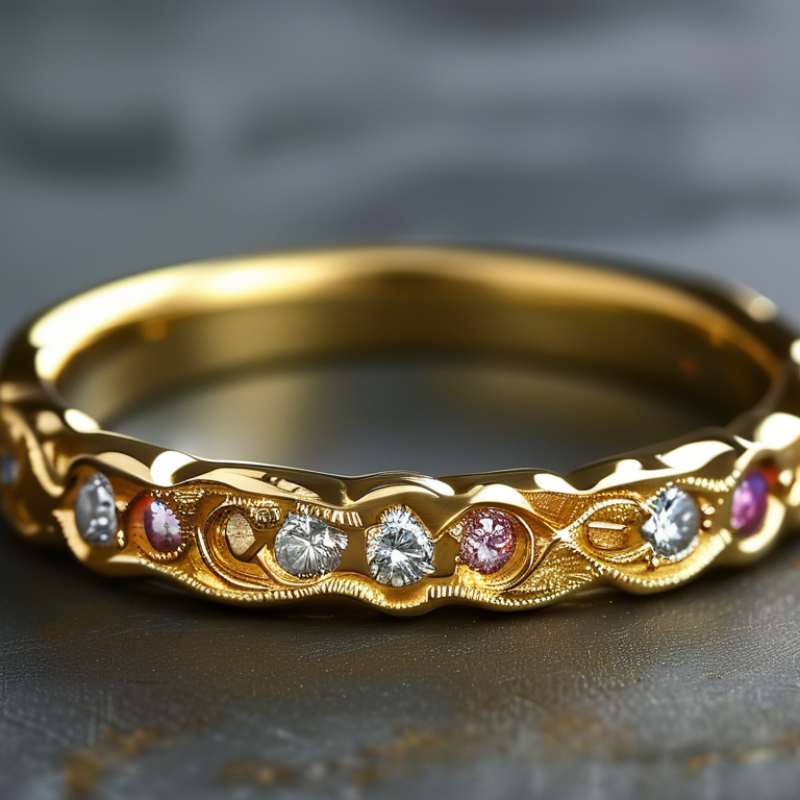
The styles emerging in 2026 reflect a desire for unique expression. Vintage designs and ornate details are making a comeback, with 62% of jewelers reporting increased requests for intricate settings. Rings that feature colorful gemstones are also rising in popularity. They provide a distinctive flair, allowing couples to symbolize their love in a personal way.
Yet, choosing the right engagement ring can be challenging. Couples often feel pressured to adhere to traditional expectations, which can overshadow personal preferences. It’s essential to balance trends with individual taste. Understanding what truly resonates with you is crucial. This process may involve trial and error, leading to a ring that genuinely represents your relationship.
When choosing a gold engagement ring, understanding the different types of gold is essential. 14K and 18K gold are popular options. 14K gold contains about 58.3% pure gold, while 18K gold has 75% pure gold. The higher gold content in 18K makes it more luxurious, but it is softer and more prone to scratches. It’s crucial to balance beauty and durability.
Another factor to consider is the color of the gold. Yellow, white, and rose gold each bring a distinct flair. Yellow gold offers a classic and timeless appeal. White gold, often plated with rhodium, adds a sleek, modern look. Rose gold carries romantic undertones, gaining popularity in recent years. Industry data indicates that rose gold has surged in demand, capturing 30% of the market share in 2023.
Moreover, the alloy mix affects the ring's appearance and strength. Nickel is often added to white gold, which can cause allergic reactions in some. Alternate options like palladium can provide a hypoallergenic choice. Eco-conscious consumers may prefer ethically sourced gold, as sustainability becomes increasingly significant. Balancing aesthetics, personal tastes, and ethical considerations can introduce complexity in the selection process.
As we approach 2026, gold engagement rings are seeing transformative trends. A recent report by the Gemological Institute of America highlights that more couples are embracing unique styles rather than traditional solitaire settings. This shift indicates a growing desire for personalized and meaningful designs, which resonate with individual stories and connections.
One prominent style element influencing gold engagement rings is the use of mixed metals. Data from the National Jeweler predicts that rings combining yellow, white, and rose gold will dominate the market. This blend adds depth and character, allowing for more creativity in design. Additionally, intricate band detailing, such as hand engraving and milgrain edges, is gaining popularity. This allows wearers to showcase their unique tastes while maintaining a timeless appeal.
Emerging trends also highlight the importance of sustainable practices in the jewelry industry. A survey by the Jewelry Industry Council indicates that over 70% of consumers prefer ethically sourced materials. This reflects a growing consciousness around environmental impact. Couples are prioritizing rings that not only symbolize love but also reflect their values and ethics. The desire for authenticity in both materials and craftsmanship continues to shape the gold engagement ring landscape.
Choosing the perfect gold engagement ring is both exciting and challenging. Start by considering your partner's style. Does she prefer modern minimalism or vintage elegance? Gold rings come in various shades, from classic yellow gold to more contemporary white and rose gold. Each type of gold brings a different vibe. Pay attention to her jewelry collection to identify her preferences.
Next, think about the ring's shape and size. Engagement rings typically feature a diamond or another gemstone. Round shapes are timeless, while princess cuts offer a bit of modern flair. Be mindful of her lifestyle too. If she leads an active life, a lower-set ring might be ideal. This choice balances beauty with practicality.
Budget is always a concern. It's important to find something beautiful within your means. Sometimes, a simple design can have a profound impact. Explore options such as mixed metals or unique settings for a personalized touch. Additionally, don't overlook the importance of comfort. Ensure the ring feels right. These considerations reflect a genuine understanding of her preferences. Remember, this ring is a symbol of your unique journey together.
In 2026, personalization will be key in choosing gold engagement rings. Couples seek unique pieces that reflect their journey together. Data shows that 68% of consumers prefer customizable designs over traditional options. Engraving names or dates inside the ring is becoming increasingly popular. It adds a personal touch that standard designs lack.
Another trend is the use of mixed metals in gold engagement rings. Combining yellow, white, and rose gold creates a distinctive aesthetic. Reports indicate that 55% of couples are opting for multi-toned rings. However, it’s important to ensure that the metals complement each other. Some combinations may clash rather than harmonize.
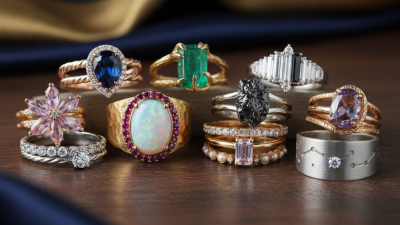
Alternative stones also play a significant role in personalization. While diamonds remain classic, colored gemstones are gaining traction. Sapphires and emeralds are now frequently chosen, making rings stand out. Yet, choosing a non-traditional stone can create uncertainty. Its resale value might not match that of a diamond. Couples should weigh emotional significance against market trends.