413 Central Ave, N Faribault, MN 55021 | 507-334-7114 | Hours: Tuesday-Friday 9am - 5:30pm & Saturday by appointment

Buying a Supreme bag can feel exciting, especially when a rare color appears at a tempting price. Yet a polished listing does not guarantee authenticity. A Fake Supreme Bag may copy the logo, shape, and packaging while missing small production details.
Begin with the seller, not the bag. Check clear photographs, purchase history, return terms, and consistent customer feedback. A trustworthy seller should answer specific questions without pressure. Ask for close images of the logo, interior label, stitching, zipper, and printed tags. Experienced buyers know that one detail rarely proves authenticity. Look for several matching signs.
Study the construction under bright, natural light. Genuine pieces usually show even stitching, firm seams, clean lettering, and hardware that feels balanced. The fabric should match the expected texture and weight, not feel unusually thin or overly glossy. Compare measurements with reliable product references. Small differences matter. So does poor alignment.
Packaging can mislead.
A receipt alone is not proof, because documents can be incomplete or inaccurate. Likewise, a high price does not make a bag genuine. When details conflict, pause and seek an independent authentication opinion from a reputable specialist. This approach reflects practical experience, careful research, and respect for buyers. I would not rely on memory alone; product variations and older releases can complicate comparisons. The goal is not to make a dramatic accusation. It is to make a documented, patient decision before paying.
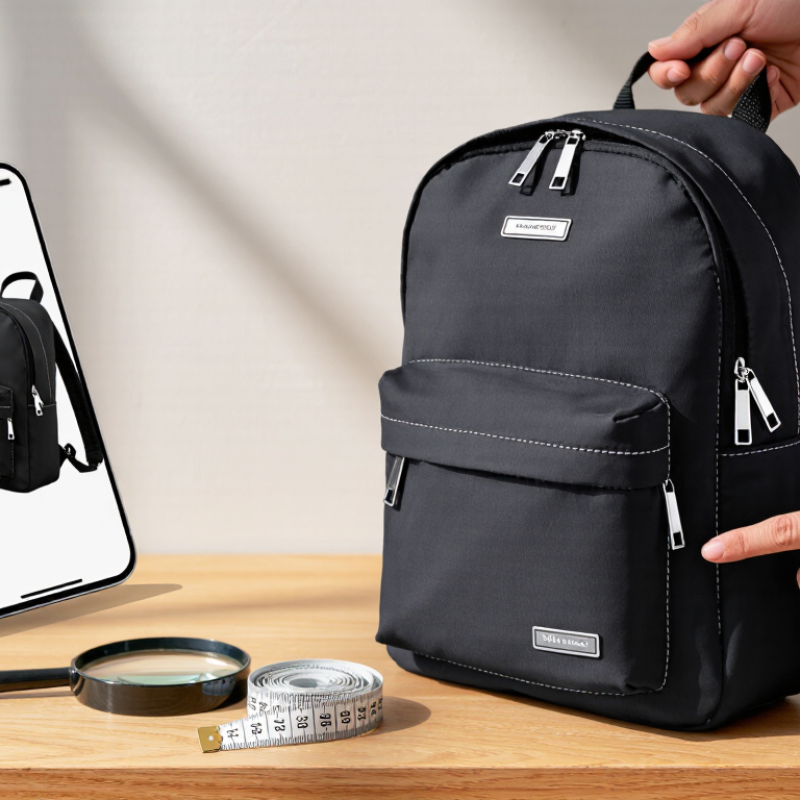
How to Spot a Fake Bag Before Buying
Bag authentication starts with careful observation, not excitement. In my experience, stitching reveals more than dramatic logos. Check whether each seam looks even, firm, and properly aligned. Loose threads, skipped stitches, or crooked edges deserve attention. The fabric should also feel consistent across the bag. Thin, rough, or unusually shiny material can signal poor construction.
Inspect the hardware closely. Zippers should move smoothly without scraping or excessive looseness. Metal parts often have a balanced weight and clean finishing. Examine labels, printed text, and interior tags under bright, neutral light. Uneven lettering, incorrect spacing, or blurry symbols may indicate a counterfeit item. Small details matter.
Do not rely on packaging alone.
A receipt can be altered. A dust bag can be replaced. No single feature proves authenticity. I have seen convincing bags fail because their proportions were slightly wrong. That is why comparing measurements with reliable reference images helps. Check the shape, pocket placement, handle length, and overall structure. Photographs can mislead, so inspect the bag in person whenever possible. When doubts remain, seek an independent authentication service with documented expertise. Even professionals can disagree, and that uncertainty deserves honest consideration before payment.
How to Spot a Fake Bag Before Buying?
Logo, typography, and label details often reveal more than packaging. Inspect the logo under bright, neutral light. Authentic lettering usually has consistent spacing, balanced proportions, and clean edges. Uneven ink, swollen outlines, or letters sitting too high deserve caution. The typeface should match the brand’s established design language. Tiny differences matter.
Check the interior label carefully. Compare its font weight, stitching distance, punctuation, and placement with verified product photographs. Genuine labels typically use sharp printing and even seams. Loose threads, blurry text, or uneven rectangular borders can indicate poor manufacturing. Serial markings should also look professionally applied, not randomly pressed or cheaply printed.
Numbers show why caution matters. An OECD and EUIPO report estimated that fake goods represented 2.5% of global trade, worth about $464 billion, using 2019 customs data. The resale industry is expanding too. ThredUp’s 2024 Resale Report projected the global secondhand apparel market could reach $350 billion by 2028. More listings create more opportunities for mistakes.
Do not rely on one clue. A convincing logo can still appear beside an incorrect label. I have seen buyers overlook typography because the material felt excellent. That judgment is understandable, but incomplete. Compare several verified references, request detailed photographs, and question unclear seller answers. Authentication is evidence-based, not instinct-based. Even careful inspection has limits.
Compare the number of practical visual checkpoints in each area. Logo shape, typography, label construction, stitching, and hardware should be reviewed together rather than judged from one detail alone.
A genuine item should show consistent alignment, spacing, letterforms, label placement, stitch quality, and hardware finishing. Any major inconsistency is a reason to request additional proof of purchase or consult an experienced authenticator.
When inspecting a sought-after streetwear bag, begin with the materials. Feel the main fabric between your fingers. It should feel dense, consistent, and suitable for daily use. Thin areas, uneven coating, or a strong chemical smell deserve attention. Examine the lining, too. It should sit neatly without excessive wrinkles or loose edges. Color differences may appear under lighting, so inspect the bag near a window. Photos can be misleading.
Stitching reveals much about construction quality. Check whether seams run straight along the edges. Thread tension should look even, with no large loops or sudden gaps. Inspect corners carefully, because weak stitching often appears there first. One loose thread is not automatic proof of a fake. Several irregular seams are more concerning. I once dismissed a crooked pocket as harmless, but the entire panel later showed poor alignment. That mistake taught me to inspect the whole structure, not one detail.
Hardware deserves close attention. Zippers should move smoothly without catching. Snaps and rings should feel firm, not hollow or excessively light. Look for clean engraving, consistent finish, and secure attachment points. Hardware that flakes, rattles, or sits unevenly suggests careless production. Check the base, handles, pocket openings, and internal labels together. No single feature proves authenticity. Compare the bag with reliable reference images, and remain cautious when details conflict. Take your time.
A careful inspection starts with the tags, not the logo. Compare the font, spacing, stitch density, and placement with official product photographs. Authentic tags usually feel firm and evenly printed. Blurry edges, uneven letters, or thin card stock deserve attention. Still, small production differences can occur. I once rejected a genuine-looking item because its inner tag sat slightly off-center.
Packaging offers another useful clue. Check the bag, tissue paper, stickers, dust cover, and shipping materials together. Official standards often show consistent colors, clear printing, and precise folds. Cheap plastic, strong chemical smells, or mismatched graphics may indicate poor quality. However, packaging can change between seasons or regions. Do not treat one unusual detail as final proof.
Serial markers require more restraint. A code should match the expected format, location, font, and overall construction for that release. Search official archives or contact an authorized support channel when possible. A matching number alone proves little; counterfeit items can repeat valid-looking codes. Examine whether the marker is sharply applied, correctly aligned, and integrated into the label. I also photograph every detail before buying, although photos can hide texture problems. My judgment is not infallible, so an independent authentication service may be worthwhile for expensive purchases.
Before buying a collectible fashion bag, examine the seller as carefully as the item. Check how long the account has existed and whether its reviews describe real transactions. Look for clear contact details, consistent product descriptions, and answers that address specific questions. Vague replies are warning signs. Pause there.
Price deserves practical judgment. Compare several recent listings with similar condition, color, and included accessories. An unusually low price may reflect damage, missing packaging, or a rushed sale, but it can also signal unreliable information. Very high prices are not proof of authenticity. I once trusted a polished listing too quickly and missed a small stitching inconsistency. That mistake changed my checking routine.
Request purchase evidence, including an original receipt, order confirmation, or dated store record, while protecting private information. The document should match the item’s color, size, and approximate purchase date. Inspect detailed photos of labels, seams, hardware, lining, and wear points. Ask for fresh images with a handwritten date if older photos seem reused. Still, evidence can be incomplete or altered, so treat it as one part of the assessment. A qualified authentication professional can compare construction details against reliable reference examples. Keep every message, image, and payment record until the transaction is fully resolved.
Use the checklist below to assess authenticity risk before payment. A single positive signal is not proof of authenticity; several independent checks should support the decision.
| Evaluation Area | Check to Perform | Reliable Evidence | Warning Sign | Risk Level | Recommended Action |
|---|---|---|---|---|---|
| Seller History | Review completed transactions, buyer feedback, account age, and consistency of product listings. | Long-term activity, detailed reviews from verified buyers, consistent photographs, and a clear sales history. | New account, copied descriptions, limited feedback, or several unrelated high-value items listed at once. | Lower | Continue with other checks. |
| Seller Transparency | Ask direct questions about purchase source, condition, measurements, and included accessories. | Specific answers that match the listing, clear disclosure of flaws, and prompt provision of additional photos. | Vague replies, pressure to pay quickly, refusal to answer questions, or inconsistent details. | High | Pause or avoid the transaction. |
| Price Review | Compare the asking price with several recent listings for the same model, condition, and size. | A price that is reasonably consistent with comparable completed sales after accounting for wear and missing items. | An unusually low price with urgency-based claims such as “must sell today” or “no questions asked.” | High | Request stronger proof or walk away. |
| Listing Photos | Check whether the images show the actual item from multiple angles. | Original photographs showing front, back, interior, seams, labels, hardware, and any damage. | Stock images, heavily edited photos, repeated images from other listings, or hidden identifying details. | High | Ask for dated, item-specific photos. |
| Construction Quality | Inspect stitching, fabric, printed or embroidered details, alignment, zipper operation, and edge finishing. | Even stitching, clean finishing, consistent typography, smooth hardware movement, and no unexplained glue or loose threads. | Crooked lettering, uneven seams, poor alignment, lightweight hardware, strong chemical odor, or excessive adhesive. | Medium | Compare with reliable reference images. |
| Labels and Tags | Examine interior labels, wash tags, hang tags, serial or production markings, and their placement. | Details are sharply printed or woven, correctly positioned, consistent with the item’s apparent production period, and not artificially added. | Spelling errors, blurry printing, incorrect formatting, mismatched labels, or markings that appear newly attached. | High | Seek independent authentication. |
| Condition Claims | Match the written condition description with close-up images and seller statements. | Accurate disclosure of stains, fading, odor, repairs, missing tags, and altered components. | “New” condition despite visible wear, inconsistent color descriptions, or unexplained replacement parts. | Medium | Request a written condition report. |
| Purchase Evidence | Ask whether the seller can provide a receipt, order confirmation, dated purchase record, or previous transaction history. | Legible evidence with matching item details, redacted personal information, and a date that reasonably fits the product. | Only an unverified screenshot, heavily edited document, unrelated receipt, or refusal to show any evidence. | High | Treat the item as unverified. |
| Payment Protection | Confirm whether the payment method provides dispute, refund, or buyer-protection options. | Payment through a platform or method with documented buyer protection and a traceable transaction record. | Requests for cash, irreversible transfers, gift cards, cryptocurrency, or payment outside the marketplace. | High | Do not send payment. |
| Return Policy | Read the return terms before purchasing, including the deadline and acceptable reasons for return. | Clear written terms, a reasonable inspection period, and a return process that does not depend only on informal promises. | “All sales final,” no written policy, hidden restocking charges, or refusal to accept authenticity concerns. | High | Choose a safer seller. |
| Independent Review | Use a qualified authenticator or specialist familiar with the item category when uncertainty remains. | A documented review based on detailed photographs or physical inspection, with limitations clearly stated. | Seller insists that their own opinion is the only authentication required. | Medium | Obtain an independent assessment. |
| Decision Rule | Combine the seller, price, evidence, construction, and payment findings before deciding. | Multiple independent signals support authenticity, the seller accepts protected payment, and the buyer has a practical return option. | Two or more major red flags appear, especially a suspicious price combined with weak evidence or unsafe payment. | High | Do not buy until resolved. |