413 Central Ave, N Faribault, MN 55021 | 507-334-7114 | Hours: Tuesday-Friday 9am - 5:30pm & Saturday by appointment

What Are the Top Sapphire Pendant Styles Worldwide?
Sapphire pendants combine colour, symbolism, and everyday wearability. From a vivid royal-blue oval to a soft pastel cluster, each design tells a different story. Yet “top” depends on region, budget, craftsmanship, and personal taste. A ranking can mislead.
Industry research supports this broader view. Grand View Research identifies jewellery as a large and steadily developing global luxury category, while The Business Research Company reports continued growth in demand for coloured gemstones and fine jewellery. These reports usually group sapphires within wider markets, not pendant sales alone. That limitation matters. Public data rarely separates sapphire pendant styles by country with complete precision.
This guide compares internationally recognised designs, including classic solitaire pendants, halo settings, pear-shaped drops, cabochon stones, cluster motifs, and modern geometric pieces. It also considers practical details that experienced buyers examine closely: sapphire colour zoning, transparency, cut proportions, metal choice, setting security, and treatment disclosure. GIA guidance confirms that heat treatment is common in sapphires, but buyers should seek clear laboratory documentation when value or rarity is significant. Small details matter.
Regional preferences add useful context. European buyers may favour restrained platinum or white-gold designs, while South Asian and Middle Eastern markets often embrace richer colour, larger stones, and ornate detailing. These patterns overlap, though; fashion travels quickly through digital retail. Responsible sourcing should remain part of the conversation, supported by guidance from the Responsible Jewellery Council and recognised gem laboratories. No single style wins everywhere. The strongest choice balances beauty, evidence, comfort, and honest expectations.
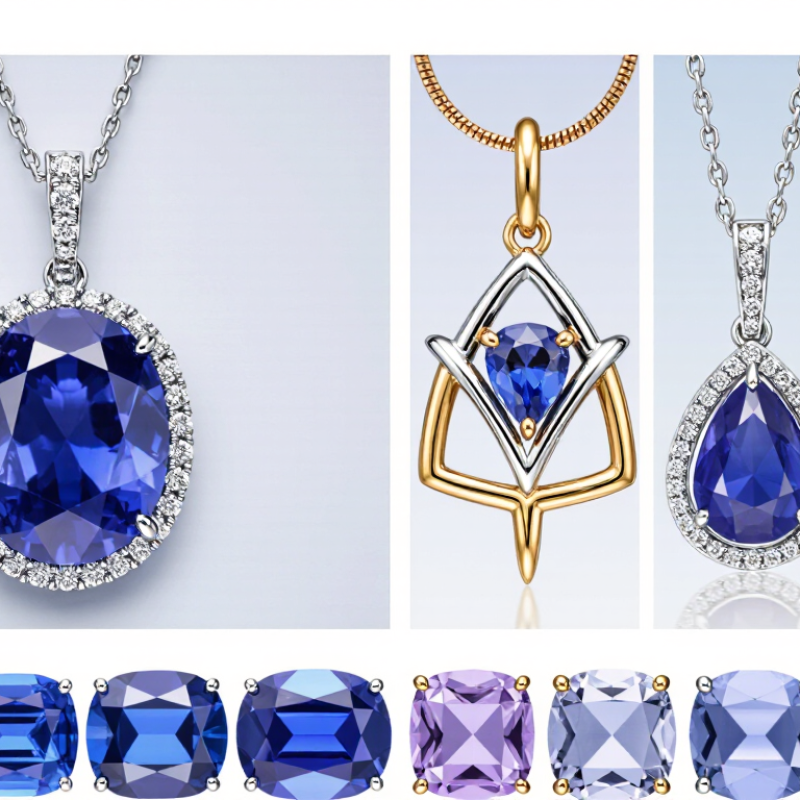
Sapphire Pendant Styles by Shape, Color, and Gemstone Origin
What Are the Top Sapphire Pendant Styles Worldwide?
Sapphire pendants vary greatly by shape, color, and gemstone origin. Oval stones remain popular because their length can make the neck appear more slender. Pear-shaped sapphires create graceful movement, especially when suspended from a fine chain. Cushion cuts offer softer corners and a vintage character. Round and emerald-cut designs look cleaner, but they reveal color unevenness more easily.
Color strongly influences a pendant’s personality. Deep blue sapphires appear formal, while vivid cornflower blue feels lighter and more versatile. Teal, yellow, pink, and white sapphires suit less traditional jewelry wardrobes. A gemologist should inspect saturation, tone, transparency, and color zoning under neutral light. Very dark stones may lose life indoors. That detail is often missed.
Origin adds another layer of meaning. Sapphires from Sri Lanka may show bright blue or pastel shades, while Madagascar produces remarkable color variety. Myanmar, Montana, and other regions can offer distinctive tones and inclusion patterns. However, origin should not be judged by appearance alone. A reputable laboratory report provides stronger evidence, especially when origin affects value. Heat treatment is common and should be clearly disclosed. Untreated stones may attract collectors, yet rarity does not automatically make a pendant beautiful. I sometimes prefer a lively, treated sapphire over a duller untreated one. Personal taste still matters.
What Are the Top Sapphire Pendant Styles Worldwide? - Sapphire Pendant Styles by Shape, Color, and Gemstone Origin
| Pendant Style | Common Gemstone Shape | Typical Sapphire Color | Well-Known Natural Origins | Visual Character | Suitable Setting Features |
|---|---|---|---|---|---|
| Classic Solitaire | Oval, round, cushion, or emerald cut | Blue | Sri Lanka, Madagascar, Myanmar, Kashmir | Places one sapphire at the center, allowing its color and brilliance to remain the main focus. | Prong settings are commonly used to expose more of the gemstone to light. |
| Halo Pendant | Oval, round, cushion, or pear | Blue, often paired with colorless accent stones | Sri Lanka, Madagascar, Myanmar, Australia | A central sapphire is surrounded by smaller stones, creating a larger-looking outline and additional sparkle. | A raised halo can emphasize the center stone; a close-set halo gives a more compact profile. |
| Pear-Shaped Drop | Pear or teardrop | Blue, from pale to deep tones | Sri Lanka, Madagascar, Tanzania, Myanmar | The pointed end creates a graceful vertical line that suits elegant and elongated pendant designs. | A secure top loop or bezel tip helps protect the pointed end from impact. |
| Emerald-Cut Pendant | Rectangular step cut with cropped corners | Medium to deep blue | Kashmir, Myanmar, Sri Lanka, Madagascar | Long, straight facets produce a hall-of-mirrors effect and highlight clarity, color, and transparency. | A four- or eight-prong setting can frame the geometric outline while leaving the broad table visible. |
| Cushion-Cut Pendant | Square or rectangular cushion | Blue, frequently with a velvety appearance | Myanmar, Sri Lanka, Madagascar, Tanzania | Rounded corners combine a soft outline with strong color presence and a traditional gemstone appearance. | Halo, split-prong, and bezel settings all work well with the curved corners. |
| Round Brilliant Pendant | Round brilliant | Blue or lighter blue | Sri Lanka, Madagascar, Thailand, Australia | Symmetrical faceting provides lively flashes of light and a versatile appearance for everyday wear. | Prongs maximize light entry; a surrounding frame can increase visual size. |
| Cabochon Pendant | Domed oval, round, or free-form cabochon | Blue, gray-blue, green, or yellow | Australia, Sri Lanka, Myanmar, Thailand | A smooth, unfaceted surface emphasizes color, translucency, and natural inclusions rather than faceted brilliance. | Bezel settings provide strong edge protection and complement the smooth polished dome. |
| Star Sapphire Pendant | Rounded cabochon, usually oval | Blue, gray, black, pink, or yellow | Sri Lanka, Myanmar, Thailand, Australia | Oriented needle-like inclusions can create asterism, producing a star effect that appears across the surface under direct light. | A low bezel setting protects the dome while keeping the optical effect visible. |
| Pink Sapphire Solitaire | Oval, round, pear, or cushion | Pink to purplish pink | Sri Lanka, Madagascar, Myanmar, Tanzania | Offers a softer, romantic alternative to traditional blue sapphire while retaining sapphire’s durability. | Rose-toned metal or a simple prong setting can reinforce the warm color impression. |
| Yellow Sapphire Pendant | Oval, cushion, round, or emerald cut | Pale yellow to vivid golden yellow | Sri Lanka, Madagascar, Thailand, Tanzania | Warm body color creates a bright, sunny appearance and pairs well with both classic and contemporary designs. | Open prongs can enhance brightness; a halo can add contrast and visual scale. |
| Padparadscha-Color Pendant | Oval, cushion, or pear | Pinkish orange to orangish pink | Sri Lanka and Madagascar | Displays a rare sunset-like color range combining pink and orange tones. | Simple settings are often preferred so the distinctive color remains the focal point. |
| White Sapphire Pendant | Round, oval, pear, or emerald cut | Colorless to near-colorless | Sri Lanka, Madagascar, Australia, Thailand | Provides a neutral, understated appearance with sapphire durability and a clean visual profile. | Minimalist prong or bezel settings emphasize clarity and shape. |
| Teardrop Cluster | Pear, oval, and round combinations | Blue, sometimes combined with pink or yellow sapphires | Sri Lanka, Madagascar, Myanmar, Tanzania | Multiple stones form a floral or cascading outline, producing more surface coverage than a single-stone pendant. | Shared-prong or pavé-style arrangements can create a continuous clustered look. |
| Bezel-Set Contemporary Pendant | Round, oval, baguette, or geometric shapes | Blue and other sapphire colors | Madagascar, Sri Lanka, Myanmar, Australia | Uses a metal rim around the gemstone for a clean, modern silhouette and smooth edges. | The enclosed edge offers practical protection and works well for frequently worn pendants. |
Note: Sapphire color and appearance vary within every geographic source. Origin is only one factor; treatment, crystal chemistry, inclusions, cut quality, and lighting also influence the final appearance.
Related Posts
-
Are Rose Gold Engagement Rings the Perfect Choice for You?
-
Top 10 Stone Pendants in China for Global Buyers?
-
Top 10 Tips for Choosing Stunning Diamond Pendants?
-
10 Essential Tips from Diamond Ring Jewelers for Choosing Your Perfect Ring?
-
What is a Blue Stone Engagement Ring and Its Significance?
-
What is the Appeal of Rose Gold Diamond Rings?