Skip to content

How to Tell Your Jewelry Story to Global Buyers?

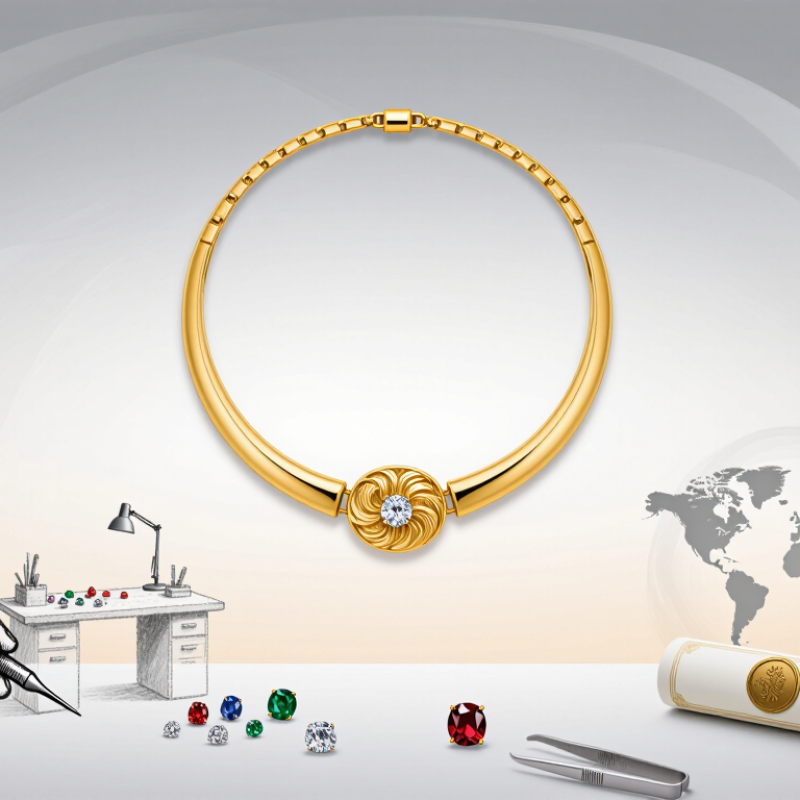
Global buyers rarely see a necklace as only metal, stones, and price. They want context they can trust. A strong jewelry story explains who made the piece, why its form matters, and how each material was selected. It turns a product page into a human encounter.

McKinsey & Company’s 2021 report, The State of Fashion: Watches and Jewellery, projected branded jewelry to grow 8–12% annually from 2019 to 2025. That growth signals a clear opportunity. Buyers increasingly value recognizable design, consistent quality, and meaningful brand identity. Yet cultural meaning must remain understandable across markets. A hand-carved clasp, an artisan’s workshop, or a recycled gold certificate can create vivid proof. Specific details matter.

Trust comes before romance.

The Responsible Jewellery Council promotes responsible business practices across jewelry supply chains, including human rights, environmental responsibility, and due diligence. Your story should therefore connect emotion with verifiable evidence. Mention material documentation, production locations, craftsmanship time, and care instructions. Avoid unsupported claims such as “ethical,” “sustainable,” or “conflict-free.” The U.S. Federal Trade Commission’s Jewelry Guides also emphasize accurate descriptions and transparent disclosures. Clear language protects credibility.

Your jewelry story does not need to sound perfect. Sometimes a small production challenge reveals genuine expertise. Perhaps the first clasp design failed, or a stone required a new setting method. Share the lesson carefully. Buyers often remember honest craftsmanship more than polished slogans. The goal is not to impress every market equally. It is to give the right buyer a credible reason to care, purchase, and remember.

How to Tell Your Jewelry Story to Global Buyers?

Define Your Jewelry Brand’s Origin and Core Identity

How to Tell Your Jewelry Story to Global Buyers?

Define your jewelry brand’s origin before describing its style. Global buyers need a clear reason to remember your work. Explain the place, people, and problem that shaped each collection. A workshop beside a coastal road feels more credible than “inspired by nature.” Mention the hand tool, local texture, or family technique behind a design. Keep it concrete. Then connect those details to your core identity, such as restraint, movement, or responsible material choices.

Market data supports this need for clarity. The McKinsey & Company and The Business of Fashion State of Fashion 2024 report identifies jewelry as one of fashion’s faster-growing categories, with projected annual growth of about 5.6% through 2025. Competition will become more visible. Meanwhile, the World Gold Council reported global gold jewelry demand of approximately 1,877 tonnes in 2024, despite elevated prices. Buyers are comparing value carefully. Your origin story should therefore explain why the piece deserves attention beyond its material cost.

Use evidence beside emotion.

Add material specifications, production photographs, artisan roles, and realistic delivery information. Do not claim heritage you cannot verify. I have seen stories become weaker when every detail sounds perfect. A small admission can build trust: an early prototype was too heavy, or a clasp needed redesigning after wear testing. That detail shows experience. It also invites buyers into the making process. Avoid vague phrases like “timeless luxury.” Describe the cool weight of the metal, the uneven edge left by hand finishing, and the decision behind it.

Explain the Meaning Behind Each Design and Collection

A jewelry story should begin with meaning, not decoration. Global buyers want to know why a design exists. Describe the emotion, memory, or landscape behind each piece. A pendant may echo morning light on a quiet harbor. A ring may represent a promise, renewal, or personal strength. Keep the image specific. Vague words feel distant.

Explain how the idea becomes jewelry. Share the sketch, metal choice, stone selection, and hand-finishing process. Mention the maker’s experience without exaggeration. For example, a textured surface may require repeated hammering and careful polishing. Buyers value accurate details about materials, dimensions, care, and production time. These facts build trust across languages and cultures.

A collection also needs a clear thread. Perhaps every design explores changing seasons, inherited memories, or the movement of water. Let each piece have its own role. Avoid assigning sacred meaning to symbols without proper research or cultural respect. Not every story is perfect. I have learned that a beautiful explanation can still feel forced when it ignores the design’s real origin. Be honest when an idea changed during making. That small imperfection often makes the jewelry more believable. Use simple language, show close details, and let buyers connect their own experiences with the design.

How to Tell Your Jewelry Story to Global Buyers?

Explain the meaning behind each design and collection through the cultural context of major gold-jewelry markets.

India and China represented the largest selected markets for gold jewelry demand in 2024. Jewelry narratives can be adapted around themes such as heritage, family milestones, prosperity, craftsmanship, and everyday self-expression while preserving the design’s original meaning.

Source: World Gold Council, Gold Demand Trends: Full Year 2024. Values show annual gold jewelry demand in tonnes.

Document Materials, Craftsmanship, and Ethical Practices

Global buyers want more than a beautiful jewelry image. They want evidence behind the object. Document the metal’s origin, alloy, recycled content, gemstone treatment, and supplier chain. A material passport can list weights, refining details, certificates, and shipment dates. Keep invoices and test reports together. Small gaps matter.

The World Gold Council’s Gold Demand Trends 2024 reported 1,370.2 tonnes of recycled gold supply, an 11% annual increase. This makes recycled content commercially relevant, but “recycled” still needs proof. State the percentage and verification method. Avoid broad claims such as “fully ethical” without defined evidence. The OECD Due Diligence Guidance recommends risk-based checks across mineral supply chains, including supplier identification and grievance procedures. Your file should show what was checked, by whom, and when.

Craftsmanship also needs a visible record. Photograph setting work, polishing marks, solder joins, and final inspection under consistent lighting. Record the craftsperson’s technique, training, and quality-control steps, while protecting personal privacy. PwC’s Voice of the Consumer Survey 2024 found that consumers were willing to pay an average 9.7% premium for sustainably produced goods. Interest is measurable. Trust is harder.

Be precise about ethical practices. Note wage policies, workplace standards, material traceability, and independent audits. If a supplier record is incomplete, say so. That honesty may feel risky. It is still stronger than polished storytelling built on assumptions. A global buyer can respect an unfinished file, especially when your improvement plan includes dates, responsible contacts, and follow-up evidence.

Adapt Your Jewelry Story for Different Global Cultures

How to Tell Your Jewelry Story to Global Buyers?

A jewelry story should travel without losing its original meaning. Global buyers do not share one cultural vocabulary. A color, gemstone, or wearing tradition can carry different emotions across regions. In some communities, red suggests celebration, while others may connect it with caution or mourning. These meanings also vary within the same country. Research matters.

In product storytelling, I have learned to ask before I assume. I once described a pale stone as “quietly elegant,” but a local adviser found the phrase too cold for a wedding audience. That mistake changed my process. Now, I check symbolism with cultural consultants, regional buyers, and experienced retail partners. Their feedback often reveals details that online research misses.

Adapt the story, not the facts. Keep the material, craftsmanship, origin, and care instructions accurate. Then adjust the emotional frame. A wedding buyer may value family continuity and meaningful gifting. A collector may prefer rarity, design structure, or artisan technique. Show close-ups of the setting, the clasp, and the maker’s hands. Use clear translations and avoid exaggerated claims. Be precise.

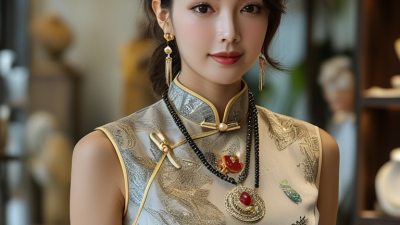
Images need cultural care too. Jewelry shown on skin, clothing, or ceremonial settings should feel respectful and relevant. I still get this wrong sometimes. A beautiful image can carry an unintended message. Testing your story with several audiences makes the final version stronger, more honest, and easier to trust.

How to Tell Your Jewelry Story to Global Buyers? - Adapt Your Jewelry Story for Different Global Cultures

Use this localization framework to adapt the same jewelry origin story for different markets without relying on stereotypes. The strongest approach combines cultural relevance, transparent material information, respectful symbolism, and local buyer validation.

Market or Cultural Context Documented Cultural Cue Story Angle That May Resonate Recommended Content and Visual Adaptation Language and Symbol Considerations Trust and Compliance Information What to Validate Locally
China
Mainland Chinese and Chinese-speaking buyer segments
Red and gold are widely associated with celebration, prosperity, and auspicious occasions in Chinese cultural contexts. Gift-giving is an important part of many social and family occasions. Present the piece as a meaningful token of connection, celebration, continuity, or a new beginning. Family milestones Good fortune Craft continuity

Use clean product photography with restrained red or gold accents rather than making color symbolism the entire story.
Provide professionally reviewed Simplified Chinese or Traditional Chinese copy according to the target market. Explain symbols directly and avoid using culturally important motifs as decoration without context. State metal fineness, gemstone treatment, country of origin, care instructions, and return terms clearly. Avoid unsupported claims such as “brings wealth” or “guarantees luck.” Test whether the audience prefers a family-focused, craftsmanship-focused, or gifting-focused narrative. Confirm the meaning of any character, animal, color, or traditional pattern with local reviewers.
Japan
Japanese buyers and design-conscious gift markets
Careful presentation, seasonality, restraint, and attention to detail are commonly valued in Japanese retail and gifting contexts. Minimalism can communicate refinement when supported by quality details. Focus on patience, precision, quiet beauty, material integrity, and the maker’s disciplined process. Process detail Subtle symbolism Seasonal relevance

Show close-up images of finishing, texture, clasp construction, packaging, and the scale of the piece when worn.
Use precise Japanese terminology for materials, dimensions, care, and craftsmanship. Avoid exaggerated superlatives and overly emotional copy if the product positioning is understated. Include exact measurements, weight where relevant, alloy information, gemstone disclosures, warranty conditions, and packaging details. Ask local buyers whether the story feels appropriately detailed or overly promotional. Verify whether seasonal references are accurate for the intended sales period.
India
Indian wedding, festive, and everyday fine-jewelry contexts
Jewelry has long-standing associations with weddings, family ceremonies, adornment, gifting, and household wealth in many Indian communities. Practices vary significantly by region, religion, language, and community. Connect the piece to family memory, ceremonial meaning, personal identity, or the passing of craftsmanship between generations. Wedding moments Heritage Layering

Show scale, styling combinations, occasion suitability, and how the piece works with both traditional and contemporary clothing.
Do not treat “Indian culture” as one uniform category. Localize by region and community when using motifs, wedding references, religious imagery, or language. Provide transparent information on karat or fineness, gemstone treatments, product weight, making or service charges where applicable, and after-sales support. Identify whether the intended buyer values bridal symbolism, investment considerations, daily wear, contemporary design, or family gifting. Validate terminology with regional experts.
Gulf Arab Markets
Gulf Cooperation Council buyer contexts
Gold jewelry is strongly connected with gifting, weddings, family occasions, and personal adornment in many Gulf markets. Religious and social expectations differ between countries and communities. Emphasize generosity, hospitality, family celebrations, craftsmanship, and the emotional significance of giving and receiving jewelry. Occasion-led gifting Rich craftsmanship Personal presentation

Use elegant, high-detail visuals and show how the jewelry looks at different scales and under indoor and outdoor lighting.
Use accurate Arabic translation when appropriate and check names, motifs, calligraphy, and religious references with qualified local reviewers. Avoid insensitive use of sacred text or imagery. Clearly disclose purity, gemstone characteristics, origin information, care, delivery, customs, and return policies. Ensure product photography and styling respect local modesty expectations. Confirm preferred karat levels, color preferences, gifting occasions, packaging expectations, and whether the audience prefers Arabic, English, or bilingual storytelling.
Europe
European Union and broader European sustainability-focused segments
European buyers are not a single cultural group, but provenance, product durability, environmental impact, and responsible sourcing are significant considerations in many contemporary jewelry discussions. Tell a verifiable story about design intention, material origin, durability, repairability, and the people and processes behind the piece. Traceability Longevity Repair and care

Pair emotional storytelling with technical product pages, material documentation, lifecycle information, and clear photography of construction details.
Localize by country rather than using one “European” message. Translate legal, care, and material terms accurately. Avoid vague environmental language such as “eco-friendly” without evidence. Align claims with applicable consumer-protection rules. Explain recycled or reclaimed content, gemstone treatment, plating thickness where relevant, and responsible-sourcing documentation without overstating proof. Test which proof points matter most: origin, recycled content, repair service, labor practices, packaging, or product longevity. Check country-specific rules for environmental claims.
North America
United States and Canada
Personalization, self-purchase, milestone gifting, individuality, and accessible digital research are important themes across many North American jewelry categories. Position the jewelry as a way to express identity, mark a personal milestone, celebrate a relationship, or make a values-based purchase. Personal meaning Versatility Wearability

Show multiple styling options, user-generated perspectives where permitted, sizing information, and short maker-led videos.
Use inclusive language and avoid assuming that jewelry is tied to a particular gender, relationship type, age, or life stage. Explain cultural references instead of presenting them as universal. Follow applicable jewelry advertising and disclosure requirements. Provide accurate information on metal content, gemstone treatments, dimensions, shipping, returns, warranties, and customs where relevant. Compare responses to emotional storytelling, technical detail, sustainability evidence, customization, and price transparency. Segment by lifestyle and purchase occasion rather than geography alone.
Latin America
Latin American family, celebration, and artisan-design contexts
Family relationships, religious and civic celebrations, craftsmanship, and expressive color are important themes in many Latin American communities, with substantial differences between countries and regions. Highlight human connection, celebration, place, artistry, and the maker’s relationship with local materials or techniques. Community Celebration Artisan process

Use warm, human-centered imagery and explain the meaning of patterns, techniques, and materials without romanticizing poverty or tradition.
Use regionally natural Spanish or Portuguese. Be cautious with religious imagery, Indigenous motifs, and national symbols; obtain permission or provide accurate cultural context when appropriate. Disclose material composition, artisan compensation or partnership claims when made, origin, care, delivery, and import duties. Substantiate community or ethical claims. Validate whether buyers respond more strongly to family gifting, local identity, artisan provenance, contemporary design, or occasion-based styling.
Southeast Asia
Diverse markets including Indonesia, Thailand, Vietnam, Singapore, and the Philippines
Jewelry can be connected with weddings, religious festivals, family gifting, status, personal style, and local craft traditions. Religious and cultural practices differ greatly across countries. Adapt the story around celebration, family bonds, personal achievement, cultural craft, or contemporary styling depending on the specific market. Occasion flexibility Local craftsmanship Modern styling

Show both formal and everyday use. Use localized models, settings, clothing references, and size comparisons instead of generic “Asian” imagery.
Translate into the relevant national language and check religious symbols, colors, animals, and ceremonial references. Avoid combining unrelated cultural elements in one design story. Provide reliable information on material purity, gemstone treatment, origin, care, delivery, warranty, and import requirements. Support ethical claims with documentation. Research each country separately. Test preferred platforms, language, gifting occasions, payment expectations, and the balance between heritage storytelling and contemporary design.
Cross-market storytelling checklist
  • Keep the factual core consistent: material, origin, dimensions, craftsmanship, care, price, and delivery information should not change without a clear reason.
  • Adapt the emotional emphasis, examples, imagery, translation, gifting context, and symbolism to the local audience.
  • Use qualified local reviewers for cultural, religious, linguistic, and Indigenous references.
  • Substantiate claims about sustainability, ethical sourcing, heritage, rarity, investment value, or community impact.
  • Measure performance by market using qualified leads, story engagement, add-to-cart rate, conversion rate, returns, customer questions, and repeat purchase behavior.
  • Never assume that nationality determines taste. Segment by occasion, age, income, style preference, values, and purchasing motivation as well as location.

Present Your Story Clearly Across International Sales Channels

How to Tell Your Jewelry Story to Global Buyers?

A jewelry story should travel clearly across international sales channels. Global buyers need more than beautiful language. They want accurate details about materials, dimensions, weight, finishes, and care. Explain where the design idea began, such as a coastal landscape or an old architectural shape. Then connect that idea to visible details. Mention the curved edge, hand-textured surface, or muted color. Specific images build trust. They also help buyers remember the piece.

Our first story draft was too poetic. It sounded attractive, but it hid useful information. We revised it with shorter sentences and clearer product facts. Each channel may need a different version.

A marketplace listing should lead with specifications. An email campaign can add emotion and process. A wholesale presentation should explain packaging, lead times, and quality checks. Keep the central story consistent.

Do not promise what the product cannot prove. Translation also needs review by a fluent speaker. Small wording errors can change the meaning.

Tips: Use one clear message per channel. Add measurements beside product images. Explain care in simple language. Check every material claim. Let local readers review the tone. Leave room for doubt. Not every design detail needs a dramatic origin story. Honest limits often feel more credible. A buyer may prefer “inspired by” over an unsupported historical claim. Test the story with real customers, then adjust it.