Skip to content

10 Tips for Buying Cat Antiseptic Wipes?

Choosing Cat Antiseptic Wipes is not simply a matter of picking the brightest package. Cats groom frequently, have sensitive skin, and may react badly to unnecessary fragrances or harsh preservatives. A suitable wipe should match the cleaning purpose, ingredient profile, and your cat’s health needs. That sounds obvious. It is often overlooked.

The American Pet Products Association’s 2024–2025 National Pet Owners Survey shows that cats remain part of tens of millions of U.S. households. This large and diverse market explains the growing range of pet hygiene products, but popularity does not guarantee quality. Veterinary guidance from the American Association of Feline Practitioners and the International Cat Care community emphasizes minimizing stress, handling cats gently, and avoiding unsuitable chemicals. Therefore, buyers should examine active ingredients, fragrance claims, moisture levels, expiry dates, packaging seals, and manufacturer transparency. Product labels deserve careful reading.

These ten practical tips focus on safer purchasing decisions rather than dramatic promises. They consider whether the wipes are intended for skin, paws, facial areas, or minor surface cleaning. They also explain when a wipe is inappropriate, especially for deep wounds, eye contact, persistent irritation, or suspected infection. A veterinarian should assess those conditions. I once assumed “antiseptic” meant automatically safer, but that assumption was too simplistic. Evidence, formulation details, and your cat’s response matter more than marketing language. Along the way, this guide draws on veterinary recommendations, consumer product information, and real household handling concerns. Use it as a buying framework, not a substitute for professional diagnosis.
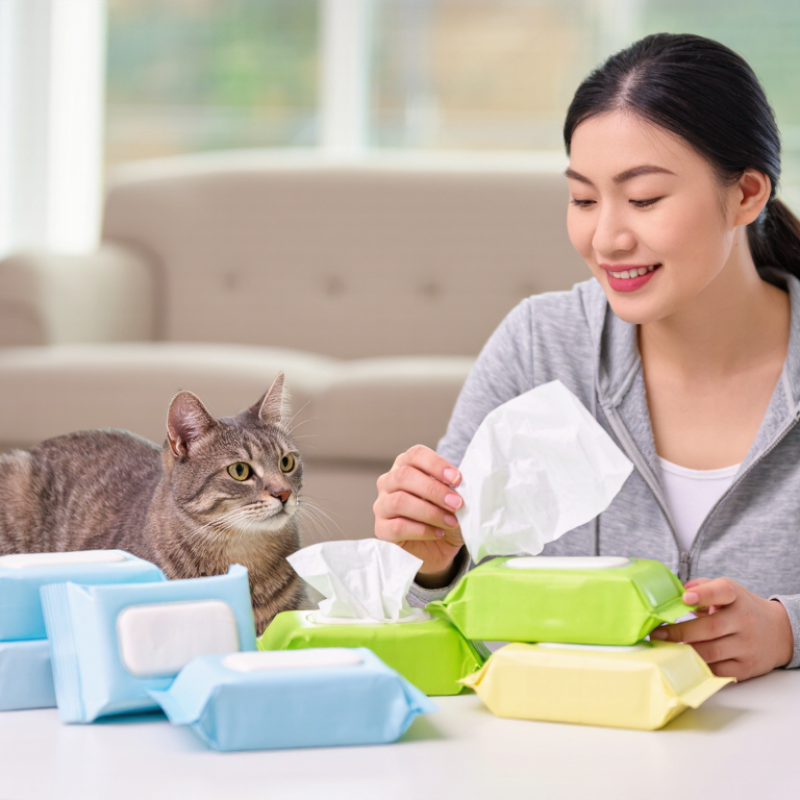
10 Tips for Buying Cat Antiseptic Wipes?

Identify When Your Cat Needs Antiseptic Wipes

Identify When Your Cat Needs Antiseptic Wipes

Antiseptic wipes are useful for small, superficial messes, not every skin concern. Check your cat after outdoor walks, litter-box accidents, or minor scrapes. A paw with dried dirt may need gentle cleaning. Healthy skin usually does not need daily wiping. Over-cleaning can cause dryness and irritation.

Tip 1: Look closely before wiping. Redness, swelling, warmth, bleeding, pus, or a bad smell may indicate infection. Deep cuts, bite wounds, burns, and persistent licking need veterinary attention. Wipes cannot repair damaged tissue. I once underestimated a tiny puncture; the swelling appeared later. That mistake is worth remembering.

Tip 2: Choose a cat-safe antiseptic wipe with clear directions. Avoid alcohol, hydrogen peroxide, strong fragrances, essential oils, and human disinfectant wipes. These substances can sting or harm cats when licked. Wipe around the affected area, never deep inside a wound. Keep products away from eyes, ears, nose, and mouth.

Tip 3: Use one gentle pass, then stop. Hold your cat calmly and watch the skin afterward. Increased redness, discomfort, drooling, or repeated scratching means the product may not suit your cat. Contact a veterinarian if the area worsens or fails to improve within a day. A clean towel and professional advice are sometimes safer than another wipe.

Check Ingredients for Feline Safety and Skin Compatibility

When buying cat antiseptic wipes, read the ingredient panel before the marketing claims. APPA’s 2023–2024 National Pet Owners Survey counted 46.5 million U.S. cat-owning households. That scale makes safe product selection important.

Look for a clearly identified antiseptic and a stated feline-use direction. Veterinary formulations may contain chlorhexidine or hypochlorous acid, but concentration and contact time still matter. Avoid products with alcohol, strong fragrance, or concentrated essential oils unless a veterinarian approves them. The Merck Veterinary Manual notes that cats process some plant compounds differently. The ASPCA Animal Poison Control Center also lists concentrated essential oils as potential feline hazards.

“Natural” does not always mean gentle.

Check the wipe’s texture and inactive ingredients, too. A rough sheet can worsen skin already red from scratching. Choose fragrance-free, low-residue materials for sensitive areas. Keep wipes away from eyes, ears, mouth, and open wounds unless your veterinarian gives specific instructions. Test a small area first, then watch for licking, swelling, dryness, or increased redness for 24 hours. Stop immediately if symptoms appear. I find labels confusing sometimes. Important details may be hidden in tiny print. A veterinary nurse or dermatologist can verify compatibility, especially for kittens, senior cats, or cats with allergies. Use wipes only as directed, not as a substitute for diagnosing infection.

Compare Wipe Materials, Moisture, and Cleaning Performance

10 Tips for Buying Cat Antiseptic Wipes

Choose a soft, nonwoven material that will not scratch sensitive skin. Cellulose blends often feel gentle, while rough synthetic fibers may irritate. Check the sheet size and thickness; thin wipes can tear around paws. Low-lint fabric matters too. Loose fibers may cling between toes. Feel the texture before buying, when possible. The wipe should be moist, not dripping. Excess liquid can frighten cats and leave fur damp for too long. A resealable package helps preserve moisture. Still, packaging alone does not guarantee freshness.

Read the ingredient list carefully. Avoid strong fragrance, alcohol, essential oils, and harsh detergents unless a veterinarian specifically recommends them. A near-neutral formula is usually more comfortable for routine skin cleaning, but cats differ. Test one small area first. Watch for redness, licking, swelling, or discomfort. Stop using the product if these signs appear. Cleaning performance should remove surface dirt, litter dust, and mild residue with one or two gentle passes. Scrubbing harder is not better.

Look for clear directions, storage guidance, and an expiration date. Wipes labeled for animals are preferable to general household wipes. “Antiseptic” does not mean suitable for every wound or infection. Deep cuts, bleeding, discharge, and persistent irritation need veterinary attention. In my experience, very wet wipes clean faster but leave more residue. Drier sheets feel easier to control, yet they may drag across fur. I once favored maximum moisture and overlooked drying time. That choice made grooming stressful. Compare comfort, cleanliness, and your cat’s reaction together.

Evaluate Packaging, Shelf Life, and Ease of Use

When buying cat antiseptic wipes, inspect the packaging before focusing on price. Choose a sealed container with clear product information, including ingredients, batch number, expiry date, and storage instructions. A firm lid matters. Loose packaging can let moisture escape, leaving dry, ineffective wipes. Individual sachets may stay fresher, especially for occasional use.

Shelf life deserves careful attention. Check the expiry date and avoid products with faded printing or damaged seals. After opening, note whether the instructions specify a shorter usable period. Store wipes away from heat and direct sunlight. A bathroom shelf may seem convenient, but humidity can affect packaging and texture. The product should remain moist, not dripping, brittle, or strangely scented.

Ease of use becomes important during grooming or minor cleaning. Look for a wide opening, one-hand access, and wipes large enough for a paw or small skin area. Thick, soft material is usually easier to control than thin sheets that tear. Fragrance-free formulas may be preferable because cats groom themselves. Use only wipes intended for cats, and keep them away from eyes, mouths, and deep wounds unless a veterinarian advises otherwise. Test a small area first.

No checklist is perfect; a convenient wipe can still cause irritation, so stop using it if redness, swelling, or discomfort appears.

Choose the Right Product for Your Cat’s Specific Needs

Choosing cat antiseptic wipes starts with your cat’s specific problem, not a colorful package. The American Pet Products Association reported about 46.5 million U.S. households owned cats in 2023–2024. That scale matters. Cats have different ages, coat types, allergies, and wound risks. For a small scrape, choose veterinary-formulated wipes labeled for feline skin. For face cleaning, use a separate product. Never assume one wipe fits every area.

Tip 1:
Read the active ingredients carefully. Avoid alcohol, phenols, strong fragrances, and essential oils. Cats lick their coats, so residue can become an ingestion concern. The FDA advises following animal-product labels and seeking veterinary guidance when reactions occur. A wipe should be gentle, sealed, and clearly marked for cats. Check the expiration date. It is easy to overlook.

Tip 2:
Match the wipe to the condition. Chlorhexidine-based products may suit some bacterial skin problems, but concentration and application area matter. A 2023 report from the National Animal Supplement Council noted growing pet-care spending, yet popularity does not prove safety. Test one small area first, then watch for redness, swelling, drooling, or repeated licking. Stop if anything seems wrong. Deep wounds, eye injuries, bad odors, or pus need veterinary attention, not repeated wiping. I have found that “natural” wording can create false confidence. Clean hands, gentle pressure, and a calm cat remain more important than clever packaging.