Skip to content

Top Tips for Choosing the Perfect Sapphire Pendant?

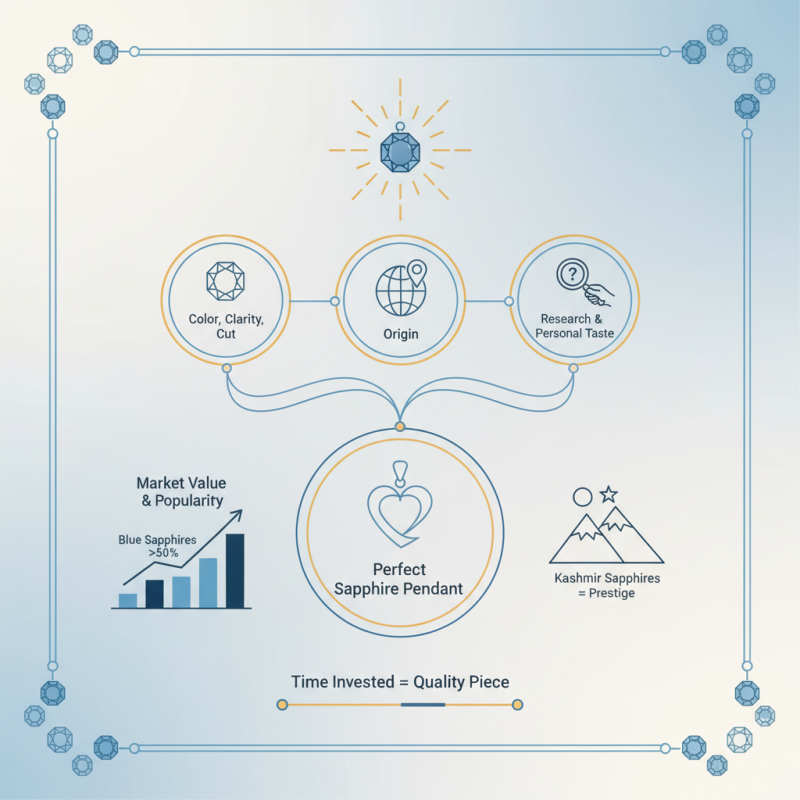
Choosing the perfect sapphire pendant can be a challenging endeavor. With the jewelry market expected to reach approximately $480 billion by 2025, sapphires stand out as a popular choice. Reports suggest that blue sapphires continue to dominate consumer preferences, accounting for over 50% of gemstone sales. This signifies that they are not just beautiful; they hold significant market value.

One should consider factors like color, clarity, and cut when selecting a sapphire pendant. A well-cut sapphire can reflect light beautifully, enhancing its allure. Interestingly, many shoppers remain unaware of how the origin of a sapphire affects its price and prestige. For example, sapphires from Kashmir are often regarded as more desirable.

While many may rush their decisions, taking time to research can make a difference. A poorly chosen sapphire pendant may lead to regrets later. Ultimately, a sapphire pendant should resonate with personal taste and style, making it more than just an accessory. Investing in a quality piece is worth the effort.
Top Tips for Choosing the Perfect Sapphire Pendant?

Understanding Different Types of Sapphires for Pendants
Top Tips for Choosing the Perfect Sapphire Pendant?

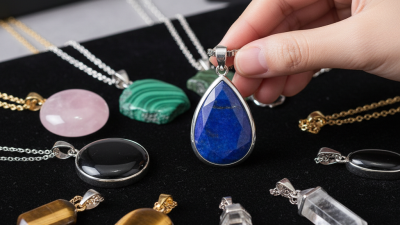
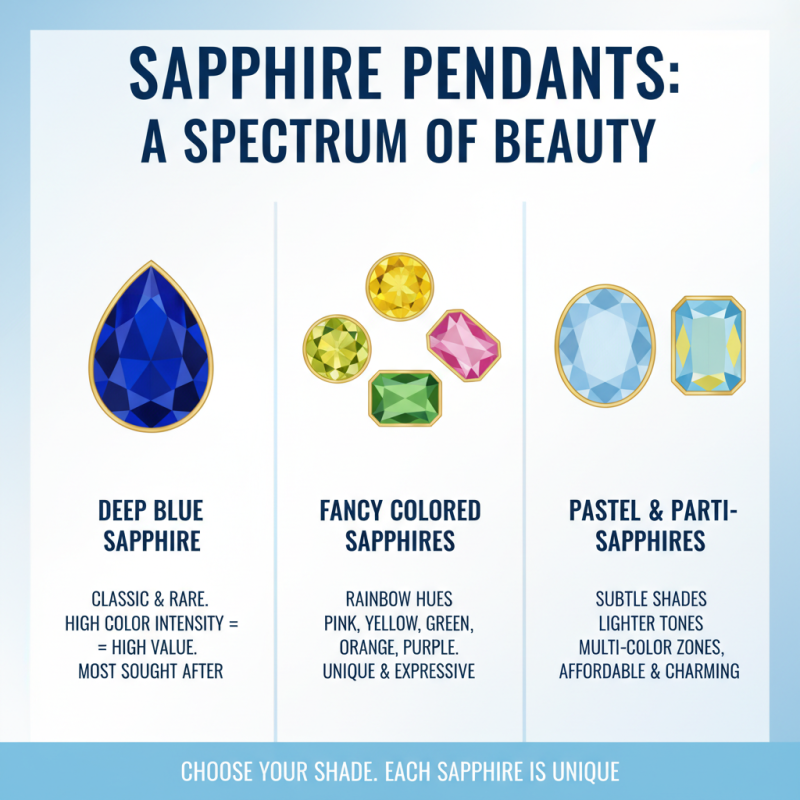
When selecting a sapphire pendant, understanding the various types of sapphires is crucial. Sapphires can come in many colors, but the deep blue hue remains the most popular. The color intensity can impact the stone's value significantly. Lighter shades or those with strong secondary colors may be less expensive but still stunning.

Consider the stone's origin. Sapphires from different places have unique characteristics. For example, Kashmiri sapphires are renowned for their vivid blue color and velvety appearance. However, they can be exceptionally rare and costly. On the other hand, sapphires from Sri Lanka offer a wider range of colors at more accessible prices. Each origin brings its personality and charm to your pendant.

When choosing a setting, keep the sapphire's brilliance in mind. A well-cut stone can reflect light beautifully. Avoid overly ornate settings that may overshadow the sapphire. Minimalist designs often highlight the gem's natural beauty. Remember, it might take time to find the perfect piece. Don't rush; the journey of exploration can be enjoyable.
Evaluating Cut and Clarity: Key Factors in Sapphire Selection

When selecting a sapphire pendant, evaluating cut and clarity is crucial. The cut determines how well the gem reflects light. A well-cut sapphire sparkles beautifully, while a poorly cut one may appear dull. Pay attention to the shape, proportions, and symmetry. Ideal cuts enhance a sapphire's natural beauty, amplifying its color and clarity.

Clarity refers to the presence of inclusions or blemishes. Higher quality sapphires exhibit fewer visible flaws. Examine the stone under good lighting. Look for internal imperfections, as they can influence the gem's value and appearance. Visual clarity impacts the overall aesthetic appeal of your pendant.

Tip: Choose sapphires with a balance of cut and clarity. A stunning color can be overshadowed by a poor cut. On the other hand, a high clarity stone may not shine if the cut is lacking. Strive for a harmonious combination. Embrace learning this process; each step improves your understanding of beautiful gemstones. Your journey to find the perfect sapphire pendant is as important as the gem itself.

Choosing the Right Setting: Styles for Sapphire Pendants

When selecting the perfect sapphire pendant, the setting plays a crucial role in enhancing its beauty. Common styles include classic solitaire, halo, and intricate vintage designs. A solitaire setting highlights the stone itself. It creates a timeless look that remains popular. But, it might seem too simple for some.

A halo setting surrounds the sapphire with smaller stones. This adds extra sparkle. It can make the central sapphire appear larger. It's a bold choice, but it may overpower a smaller stone. Vintage designs have unique details and craftsmanship. They can tell a story but may not suit everyone's taste. Consider your personal style here.

Comfort should also be a priority. Some settings can be heavier or might snag on clothing. Pay attention to how the pendant fits against your skin. Material choice impacts the overall look and durability. Gold and silver are common, but they carry different meanings. Think about these aspects as you explore your options. The right setting can elevate a sapphire pendant, but it must resonate with your style and comfort.

Top Tips for Choosing the Perfect Sapphire Pendant - Choosing the Right Setting: Styles for Sapphire Pendants

Setting Style Description Best for Occasions Materials Compatibility
Solitaire A single sapphire mounted on a simple band. Formal events and everyday wear. Gold, Silver, Platinum
Halo A center sapphire surrounded by smaller stones. Weddings and anniversaries. Gold, White Gold, Rose Gold
Vintage Intricate designs typically inspired by past eras. Special occasions and vintage-inspired events. Gold, Silver
Prong Sapphire held in place by small metal claws. Everyday wear and casual occasions. Silver, Gold, Platinum
Bar Sapphire set in a horizontal bar design. Trendy events and casual outings. Gold, White Gold

Considering Color and Carat Weight in Your Sapphire Pendant Decision

Top Tips for Choosing the Perfect Sapphire Pendant?

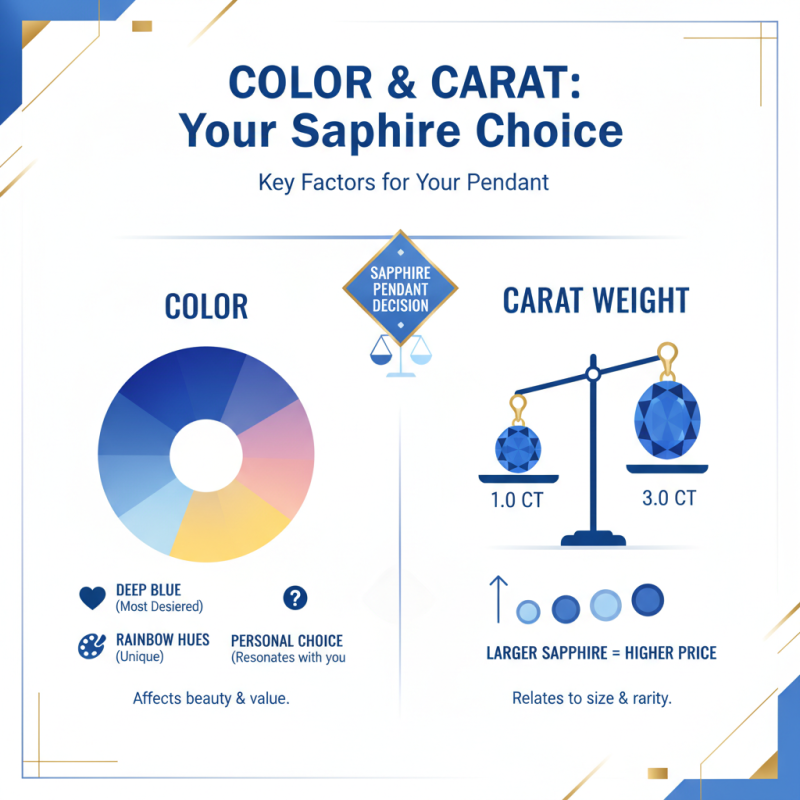
When selecting a sapphire pendant, color and carat weight are essential factors to consider. The color of the sapphire greatly affects its beauty and value. Sapphires range from deep blue to pale blue, and even other colors like pink and yellow. A vivid blue is often the most sought after. However, personal preference plays a key role too. Some might prefer lighter hues or unique colors. It's important to choose a color that resonates with you.

Carat weight, on the other hand, influences the size and presence of the pendant. Larger sapphires tend to attract more attention but can come at a significant price. A one-carat sapphire can look stunning, but a larger carat weight may make a more impressive statement. It's wise to balance size with quality. A smaller, high-quality sapphire could outshine a larger, less vivid stone.

Choosing the right sapphire requires reflection. Your unique style should guide you. Don't rush the decision. Take time to explore different options and shades. The perfect sapphire pendant should make you feel connected to its beauty. Personal ties to the stone often enhance its significance. The search for the ideal pendant can lead to unexpected discoveries and insights about your choices.

Determining Your Budget and Quality in Sapphire Jewelry Purchases

When purchasing a sapphire pendant, determining your budget is essential. Sapphires can vary significantly in price based on their quality, size, and color. Consider what you are comfortable spending. A clear budget helps narrow your options. However, be cautious not to compromise on quality in pursuit of a better price. A lower price may indicate a compromise in color saturation or clarity.

Quality is crucial in sapphire jewelry purchases. Focus on the Four Cs: Color, Clarity, Cut, and Carat. Color is the most important factor. A deep blue hue is often more desirable. Clarity refers to the presence of inclusions. Fewer inclusions usually lead to a higher quality stone. The cut affects the gemstone's brilliance. An expertly cut sapphire sparkles beautifully, enhancing its visual appeal.

It’s wise to seek certifications from reputable gemological laboratories. Such documentation provides assurance regarding the sapphire's authenticity and quality. Don’t hesitate to ask questions and conduct research. A sapphire pendant is often a long-term investment. Reflect on the qualities that matter most to you. Balancing budget with quality can be challenging, but informed decisions lead to satisfying results.