Skip to content

10 Tips to Choose the Best Remote Control Car?

Choosing the right Remote Control Car can feel simple until you compare speed, scale, batteries, and terrain. A shiny model may look impressive online, yet its small motor could struggle on wet grass or loose gravel. This guide introduces ten practical tips for making a more confident choice. It focuses on real use, not just attractive packaging.

Experience matters when judging these vehicles. A beginner may value stable steering, simple controls, and replacement parts more than extreme speed. An experienced hobbyist might examine suspension travel, motor type, drive system, and waterproofing details. Check the product specifications carefully. Also, read reviews from owners who drive on similar surfaces. Their photos can reveal weak bumpers, short battery life, or difficult maintenance. Marketing claims alone are not enough.

Think about where and how the car will be used. A compact model suits indoor floors, while larger tires handle dirt paths and uneven gardens better. Battery charging time, control range, safety features, and spare-part availability also affect long-term value. I have found that the fastest car is not always the most enjoyable one. Sometimes, a slower model offers better control and fewer repairs. That judgment can change with age, skill, and driving conditions. These tips are a starting point, not a perfect formula. Use them to compare reliable information, question unrealistic claims, and choose a Remote Control Car that fits your actual habits. Small details matter.
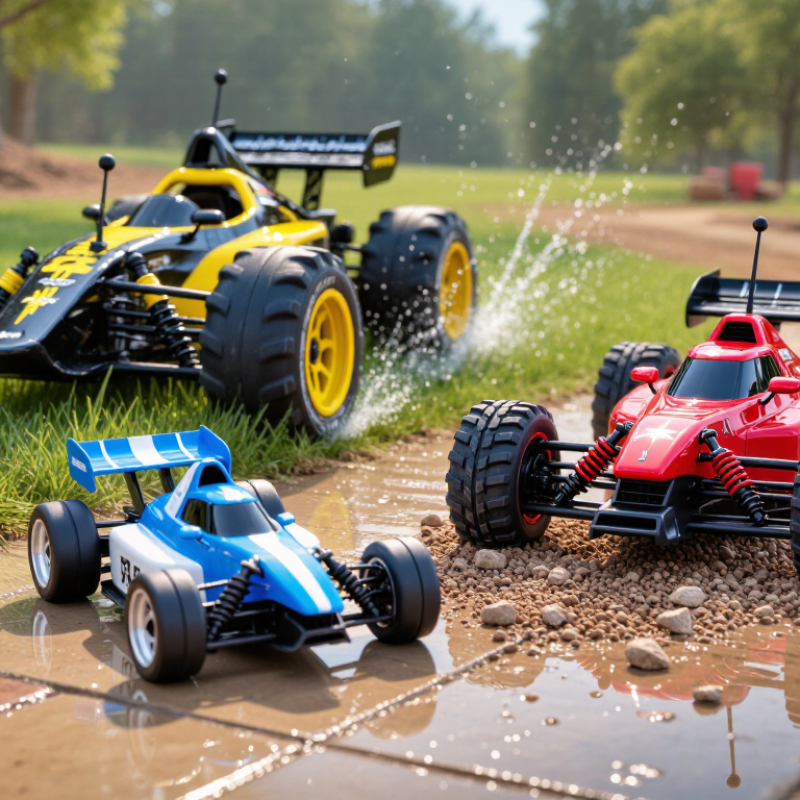
10 Tips to Choose the Best Remote Control Car?

Define Your Driving Goals and Choose the Right Car Type

10 Tips to Choose the Best Remote Control Car?

Choosing a remote control car starts with defining your driving goals. Ask where and how you expect to drive it. A smooth indoor floor needs a different design from a rocky outdoor trail. For racing, prioritize speed, responsive steering, and stable cornering. For casual backyard driving, durability and simple controls may matter more. I once chose a fast model for a small garden, and it felt difficult to control. That mistake changed my buying process.

Tip 1: Match the car type to your terrain. On pavement, a lightweight road car can feel precise. On grass, a truck-style design with larger tires usually performs better.

Tip 2: Match performance to your experience. Beginners may enjoy moderate speed and predictable handling. Experienced drivers might prefer adjustable suspension and stronger acceleration.

Tip 3: Check the running time, charging period, and replacement parts. A ten-minute drive followed by a long charge can become frustrating.

Think about the driver, too. A child may need a sturdy car with a simple controller and protected gears. An adult hobbyist may value tuning options and realistic suspension movement. Weather also affects your choice, although “water-resistant” does not mean waterproof. I have learned to read technical details carefully, not just impressive speed claims.

Leave room for reflection. Your ideal car may be slower, smaller, and easier to enjoy than expected.

Compare Motor Power, Speed, and Battery Performance

10 Tips to Choose the Best Remote Control Car

Compare motor power with the car’s weight, not just the advertised speed. A powerful motor may struggle when gearing is poor or the chassis is heavy. Brushed motors usually cost less and feel easier to maintain. Brushless motors often deliver stronger acceleration, but they can increase heat and battery demand. Check torque when you expect to drive on grass, gravel, or small slopes. Smooth power is more useful than sudden wheel spin.

Speed figures need context. Manufacturers may test on flat pavement with a fully charged battery. Real driving usually includes turns, bumps, and softer ground. I recommend using a stopwatch over a fixed distance. It exposes exaggerated claims. Gearing affects both speed and motor temperature. A faster setup may become uncomfortable after several minutes. I once focused too heavily on top speed and underestimated stopping distance.

Battery performance depends on voltage, capacity, weight, and age. Higher voltage can improve speed, but the motor and electronic system must support it. Capacity, measured in milliamp-hours, generally affects runtime rather than maximum speed. Look for a secure connector and a charger designed for that battery type. After a test run, check whether the battery feels unusually hot. Keep realistic expectations: advertised runtime is often measured under gentle driving. A replaceable battery helps when sessions last longer than expected.

These representative class benchmarks compare typical remote-control cars by nominal motor power, top speed, and battery runtime. Higher motor power and speed improve performance, while longer runtime provides better battery endurance.

Check Vehicle Size, Build Quality, and Terrain Compatibility

10 Tips to Choose the Best Remote Control Car

Check Vehicle Size, Build Quality, and Terrain Compatibility

Tip 1: Match the car’s size to your driving space. A large model needs open ground, not a narrow hallway. Tip 2: Measure the storage area before buying. This small step prevents annoying surprises. Tip 3: Consider transport weight, especially for children or frequent outdoor trips. Tip 4: Inspect the chassis carefully. Thick plastic, protected wiring, and firm wheel mounts usually indicate better durability. Tip 5: Look for sealed battery compartments. Loose covers can cause trouble when dust or damp grass appears. Tip 6: Test the steering response if possible. Excessive looseness may make straight driving difficult.

Tip 7: Examine the tires, not only their appearance. Deep treads provide better grip on soil, gravel, and short grass. Tip 8: Choose ground clearance according to the terrain. Low cars can scrape on stones, while taller cars may feel unstable on smooth floors. Tip 9: Check whether the suspension moves smoothly. It should absorb small bumps without wobbling excessively. Tip 10: Confirm that replacement wheels and batteries are reasonably available. A damaged part should not end the car’s useful life.

My practical mistake was choosing speed over control once. It looked exciting, but it struggled on uneven ground. A slower car with stronger traction often feels more enjoyable. Inspect the underside after each outdoor session. Mud hides damage surprisingly well.

Evaluate Control Range, Handling, and Safety Features

10 Tips to Choose the Best Remote Control Car

Control range matters, but advertised distance is only a starting point. Test the car in an open area, away from concrete walls and Wi-Fi congestion. Walk backward slowly while steering around a marker. The car should respond without delay or sudden stops. My first range test was flawed because I used a weakly charged battery. Repeat the test after charging fully. Tip: Choose stable response over impressive distance. A car with precise steering feels safer than one with extreme speed.

Handling reveals quality quickly. Check whether the car turns smoothly at low speed. Observe its tires on grass, pavement, and small obstacles. A wide wheelbase usually improves stability, while soft suspension helps on uneven ground. Look for proportional throttle and steering, not only simple forward-and-reverse controls. Tip: Practice gentle turns before testing maximum speed. Industry safety guidance, including ASTM F963-23, emphasizes construction, battery, and accessible-part safety. Still, standards do not replace careful inspection. Loose wheels, exposed wires, or a hot battery need immediate attention.

Safety should guide every feature choice. The U.S. Consumer Product Safety Commission estimated 145,500 toy-related injuries among children under twelve in 2022. That figure makes supervision practical, not optional. Select a model with a secure battery compartment and an automatic low-voltage warning. Check whether the controller loses connection safely. Avoid roads, crowded paths, and wet conditions unless the manual clearly permits them. Tip: Keep a three-meter safety buffer from people and pets. I sometimes focus too heavily on performance, and that is worth reconsidering. A slower car can offer better control, visibility, and confidence.

Review Maintenance Needs, Replacement Parts, and Overall Value

10 Tips to Choose the Best Remote Control Car

Tip 1: Check the maintenance routine before judging speed or appearance. After outdoor use, brush away sand from the wheels and gear cover. Wipe moisture from the chassis. Let the car dry fully before storage.

Tip 2: Inspect access to the battery and motor. Easy access saves time when screws become loose or dirt reaches the drivetrain. I once ignored this detail. Cleaning became frustrating after only three sessions.

Tip 3: Research replacement parts before buying. Tires, gears, body shells, batteries, and steering links should be available separately. Standard connectors and common screw sizes can reduce repair costs.

Tip 4: Look for a clear parts diagram and an honest service guide. Vague instructions may signal difficult ownership. That is not always true, but caution helps. A small parts box is useful.

Tip 5: Calculate the overall value, not only the purchase price. Include batteries, a suitable charger, spare tires, tools, and possible delivery fees.

Tip 6: Compare repair costs with the car’s expected use. A durable frame may cost more initially, yet survive repeated impacts better. However, expensive does not always mean practical. My own budget estimates have been wrong before.

Tip 7: Choose a model with simple storage needs. Keep batteries separate and store the car away from heat.

Tip 8: Ask whether maintenance remains affordable after one year. Reliable ownership feels better than impressive speed. A careful inspection now can prevent an unpleasant surprise later.