Skip to content

Best Tips for Choosing White Gold Engagement Rings

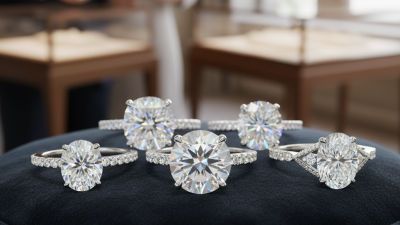
Choosing the perfect engagement ring can be overwhelming. White gold engagement rings have become a popular choice for many couples. Their elegant shine and versatility complement various styles and preferences.

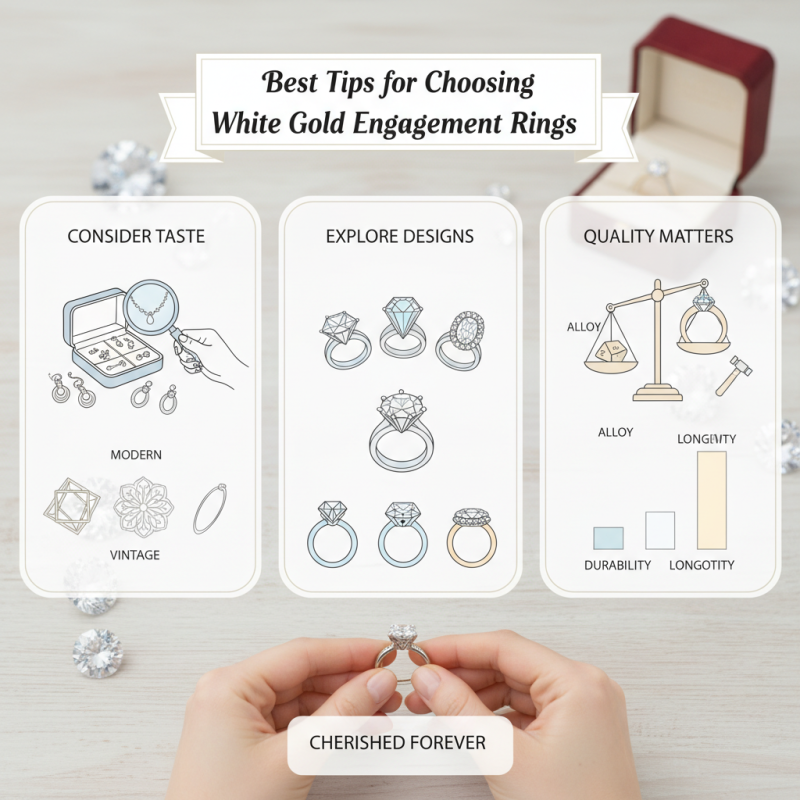
When selecting a white gold engagement ring, consider your partner’s taste. Look at their jewelry collection for hints about what they love. The design should reflect their personality, whether it's modern, vintage, or minimalist. Don't shy away from exploring different shapes and settings.

Remember, not all white gold is created equal. Different alloys can affect durability and appearance. Take note of the metal’s quality, as this impacts the ring's longevity. Finding the right balance between style and practicality may take time. Each decision should be thoughtful, ensuring the ring will be cherished forever.
Best Tips for Choosing White Gold Engagement Rings

Understanding White Gold: Characteristics and Benefits
Best Tips for Choosing White Gold Engagement Rings

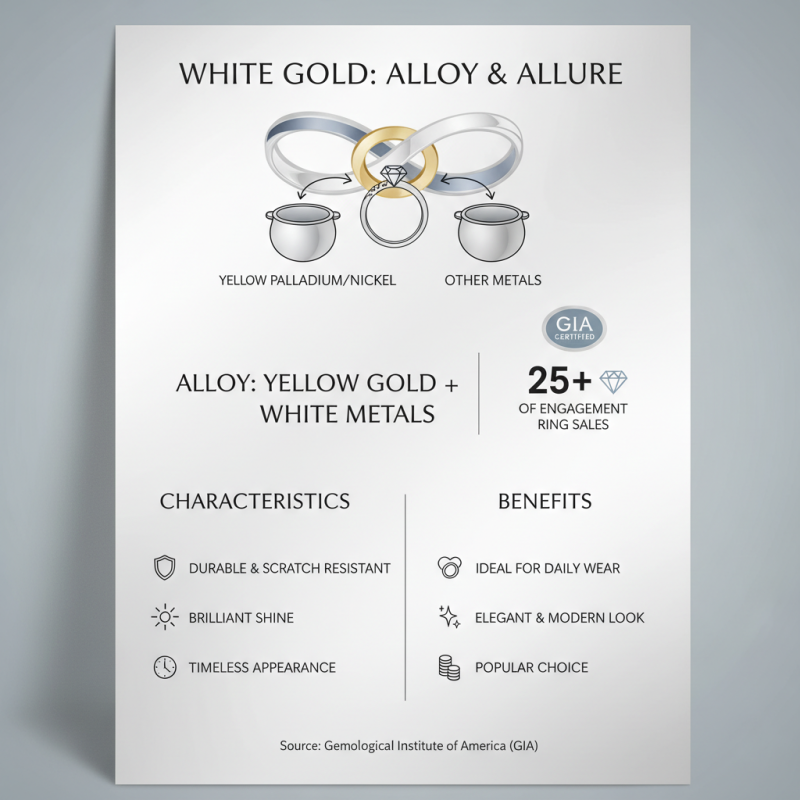
When choosing a white gold engagement ring, understanding its characteristics is essential. White gold is an alloy, primarily made of yellow gold mixed with metals like palladium or nickel. This mix enhances durability and gives the ring a brilliant shine. According to the Gemological Institute of America (GIA), white gold is a popular choice for engagement rings, accounting for over 25% of sales. Its allure comes from its timeless appearance and resistance to scratching, making it ideal for everyday wear.

One benefit of white gold is its hypoallergenic properties, especially when palladium is used. This makes it a safe option for those with sensitive skin. However, some people may have allergic reactions to nickel, often included in lower-grade alloys. It’s vital to consider your skin’s needs.

Before finalizing your choice, here are a few tips. Always check the ring’s purity. Higher karat white gold has a richer color but may be less durable. Choose a ring with rhodium plating for added shine and protection. Regular maintenance is key. Rhodium plating may wear off over time, requiring reapplication. Keeping your ring clean can enhance its beauty. Consider your lifestyle, as an active routine may call for a more robust design.

Evaluating the Purity of White Gold Alloys for Engagement Rings

When selecting white gold for engagement rings, evaluating its purity is crucial. White gold is an alloy, typically mixed with metals like palladium or nickel. The purity of white gold is measured in carats. The most common standards are 14K and 18K, containing 58.3% and 75% gold, respectively. Higher karat values mean more gold content and often better quality.


Experts suggest that consumers should be wary of nickel allergies. Approximately 10-20% of people are sensitive to nickel, which is commonly used in white gold alloys. This can lead to skin irritations, prompting a need for careful assessment of compositions. Choosing a higher karat option can minimize this risk, though costs will also rise.


Consumers should consider the rhodium plating often applied to white gold. This plating enhances the ring's appearance but can wear off over time. Regular maintenance may be necessary to keep the ring looking pristine. While white gold offers a beautiful and durable option, its upkeep requires a commitment that should not be underestimated. This refinement process addresses both aesthetic desires and long-term wearability concerns.

Choosing the Right Gemstone: Diamonds vs. Alternatives

When choosing a white gold engagement ring, the gemstone is crucial. Diamonds are traditional and symbolize lasting love. Their brilliance and hardness make them highly sought after. However, they come with a high price tag, which not everyone can afford. Some people may feel pressured to conform to this norm. Choosing a diamond can evoke feelings of inadequacy if budget constraints exist.

Alternatives such as moissanite and lab-created gems offer stunning options. Moissanite, for example, has a unique sparkle and durability. It's often harder to distinguish from a diamond, yet it costs significantly less. Lab-created stones are ethically sourced, which can align with personal values. This choice can prompt reflection on societal expectations versus genuine preferences.

Consider the meaning behind the stone. The right gemstone should resonate with your relationship. A unique choice can represent personal stories or shared experiences. Ultimately, the decision should reflect who you are as a couple, not just what’s conventional.

Comparison of Popular Gemstones for Engagement Rings

Setting Styles: Popular Options for White Gold Engagement Rings

Choosing a white gold engagement ring can be a thrilling yet daunting experience. The setting style plays a crucial role in both aesthetics and functionality. When selecting a setting, consider classic solitaire settings, which accentuate the diamond’s brilliance. According to the National Jeweler Association, solitaires remain a popular choice, making up about 40% of engagement ring sales.

Another popular option is the halo setting. This design features a center stone surrounded by smaller diamonds, enhancing the overall sparkle and appearance of size. Reports have shown that halo settings have gained favor, constituting roughly 30% of the market. However, the complexity of cleaning these rings may lead to unwanted maintenance challenges.

Three-stone settings are also gaining popularity. They symbolize the couple's past, present, and future. These rings can be striking yet may feel bulky for some wearers. It’s essential to reflect on lifestyle needs before committing to such designs. Each style has its unique attributes, and personal taste should lead the way. Consider visiting jewelers to try these settings in person. Trust your instincts and choose what feels right for you.

Caring for White Gold: Maintenance Tips for Longevity

Caring for white gold engagement rings is essential to preserving their beauty. White gold is an alloy, usually mixed with metals like nickel or palladium. Over time, it may lose its luster and brightness. According to a 2021 industry report, more than 40% of customers experience wear and tear on their jewelry in the first year. Regular maintenance is key to avoiding this.

Cleaning your white gold ring regularly is vital. A simple solution of warm water and mild soap can work wonders. Scrub gently with a soft toothbrush. This can help remove dirt and oils. However, avoid harsh chemicals, as they can damage the metal. Many experts recommend professional cleaning every six months. It can restore the ring's shine and reveal any potential damage.

In addition to cleaning, polishing is important. White gold rings are often rhodium plated. This plating can wear off over time. A jeweler can reapply rhodium plating. This is crucial for maintaining the ring's brilliance. According to recent statistics, 70% of jewelry owners do not seek professional maintenance regularly. This oversight can lead to costly repairs down the line. With proper care, your engagement ring can shine for a lifetime.