Skip to content

Top Heated Jacket Trends for 2026 What to Look For?

As the cold weather approaches, Heated Jackets are gaining popularity. These innovative garments offer comfort and warmth without the bulk. For 2026, we anticipate exciting trends that enhance functionality and style.

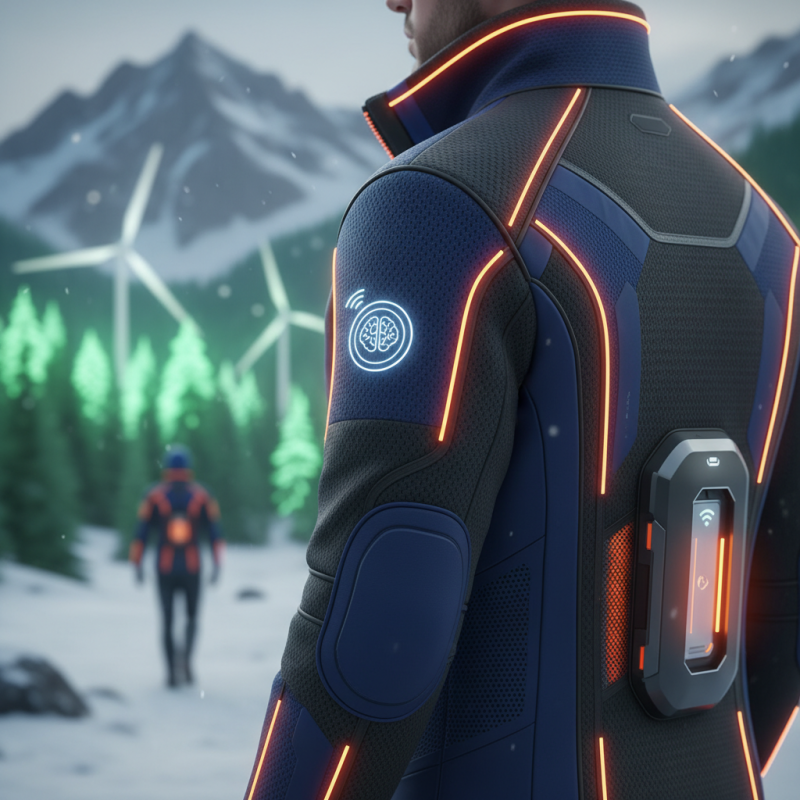
Heated jackets will focus on advanced materials and technology. Breathable fabrics will allow for flexibility and ease of movement. Look for options that feature lightweight batteries, as they enhance comfort. Smart technology integration will be a key highlight. Some jackets may even connect to mobile apps for personalized warmth settings.

As we explore these trends, it’s essential to reflect on the balance between warmth and sustainability. While heated jackets offer convenience, production processes impact the environment. Consumers should seek out brands committed to ethical practices. This choice might not only provide personal comfort but also promote responsible fashion.
Top Heated Jacket Trends for 2026 What to Look For?

Emerging Materials in Heated Jackets for Enhanced Performance

As we look towards 2026, heated jackets are evolving with groundbreaking materials designed for enhanced performance. Emerging fabrics like graphene and phase change materials are at the forefront of this trend. Graphene offers impressive thermal conductivity, allowing for better heat distribution across the fabric. This ensures comfort without overheating.

Phase change materials (PCMs) absorb and release heat based on environmental changes. They're ideal for varying temperatures, adapting to your body’s needs. Manufacturers are now experimenting with blends that maximize flexibility and durability. The integration of moisture-wicking properties is also critical, allowing wearers to stay dry during physical activities.

However, challenges remain. Many consumers are unfamiliar with these high-tech materials. Education is needed. The balance between warmth and breathability is still a topic of research. Some designs may lack the aesthetic appeal that consumers desire. Achieving both high performance and style can be complex.

The future holds promising potentials for heated jackets, yet questions linger about consumer acceptance and comfort.

Integration of Smart Technology in Heated Jacket Designs

The integration of smart technology into heated jackets is transforming the outdoor apparel market. According to a report by Allied Market Research, the global smart clothing market is projected to reach $5.2 billion by 2026. This growth underscores the demand for innovative features in heated garments. Consumers are now looking for jackets with intuitive temperature control systems, which can be adjusted via a smartphone app. This level of customization allows users to personalize their heating preferences based on activity levels or weather conditions.

Furthermore, the use of sensors in heated jackets is on the rise. These jackets can monitor body temperature and adjust heating levels automatically. A study published in the Journal of Fashion Technology revealed that 67% of consumers are interested in smart textiles that enhance comfort and safety. While these advancements are exciting, challenges persist. Battery life and weight remain concerns for some users. Balancing effectiveness with comfort remains paramount.

As technology evolves, heated jackets will likely become even smarter, integrating more with wearable devices. The potential for increased functionality is significant, but ongoing analysis is critical to navigate both consumer preferences and practical applications.

Sustainability Trends in Heated Jacket Production

As we approach 2026, sustainability in heated jacket production is gaining attention. Consumers are more conscious of their choices. They desire jackets that warm them up without harming the environment. This shift is critical. Manufacturers are exploring eco-friendly materials like recycled polyester and organic cotton. These materials reduce waste and lessen their carbon footprint.

Additionally, energy-efficient heating technologies are being developed. Many brands are investigating solar-powered options that enhance functionality. This not only improves insulation but also contributes to sustainability efforts. However, challenges remain in creating cost-effective solutions. Balancing performance and environmental responsibility is no easy feat.

The focus on transparency in sourcing is also essential. Brands must disclose where and how materials are collected. Educating consumers about the importance of this transparency can foster deeper connections. As heated jackets evolve, we must consider not only their warmth but also their environmental impact. This reflection is key to advancing sustainable practices in the fashion industry.

Fashion and Aesthetics: The Future of Heated Jacket Styles

Heated jackets are evolving rapidly. As we look towards 2026, fashion and aesthetics play a crucial role. These jackets will blend high-tech features with cutting-edge design. Expect bold colors and innovative materials that catch the eye. Textures will vary, offering everything from sleek finishes to cozy fabrics. Life is too short for boring outerwear.

Sustainability will also take center stage. More brands are exploring eco-friendly materials. This shift caters to environmentally-conscious consumers seeking stylish yet responsible choices. There may, however, be concerns over durability and performance. Can these new materials withstand harsh conditions? It's an ongoing debate in the fashion community.

Fashion also reflects personal expression. Heated jackets will be designed not just for warmth, but for individuality. Expect customizable features, like adjustable heating zones and removable linings. These innovations may create opportunities for unique styles. However, this raises questions about practicality. Will intricate designs sacrifice functionality? The future of heated jackets embraces innovation while juggling style and utility.

Consumer Preferences: Features to Prioritize in Heated Jackets

As the demand for heated jackets grows, understanding consumer preferences is crucial. Recent industry reports indicate that around 65% of consumers prioritize battery life in heated jackets. Many users are looking for options that offer at least 10 hours of consistent warmth. Jackets featuring quick-charging technology are gaining traction, appealing to those who value convenience and efficiency.

Another important feature is the heating technology itself. Infrared heating elements are becoming increasingly popular. They provide a more uniform heat distribution compared to traditional options. Consumers are also expressing interest in user-friendly controls. Simple, intuitive interfaces make it easier for wearers to adjust temperatures without hassle.

Style and versatility shouldn't be overlooked. About 40% of consumers prefer jackets that seamlessly blend warmth with fashion. Aesthetic appeal is significant in the competitive market. However, not every heated jacket meets these style standards, leading to buyer dissatisfaction. The challenge for brands is to strike a balance between functionality and fashion while maintaining effective heating capabilities.