Top 10 Birthstone Jewelry Trends Global Buyers Need to Know?
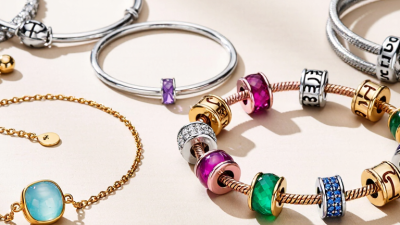
Birthstone jewelry is moving beyond fixed monthly traditions. Global buyers now want pieces that carry personal meaning, visual appeal, and credible sourcing. Our Top 10 Birthstone Jewelry Trends Global Buyers Need to Know explores this changing market through practical buying signals. These include personalized pendants, mixed-stone stacking rings, zodiac-inspired designs, minimalist studs, vintage silhouettes, and gender-neutral bracelets. Lab-grown stones and recycled metals are also gaining attention, but buyers still need clear product information. Origin claims should be specific. “Ethically sourced” alone may not explain enough.
Gemologist and author Antoinette Matlins offers a useful reminder: “If you don’t know your gems, know your gemologist.” Her advice remains relevant when color, durability, treatment, and gemstone identity affect value. A vivid ruby may be heat-treated. A pale sapphire may offer excellent durability. The difference matters. Buyers should examine laboratory reports, treatment disclosures, metal hallmarks, and return policies before placing large orders. Small details build trust.
The strongest birthstone jewelry trends combine storytelling with everyday wearability. A September sapphire ring should survive regular use, not merely photograph well. A custom necklace should reflect the customer’s birth month without looking predictable. Yet the market is not perfect. Trend reports can exaggerate demand, and social media can reward appearance over quality. Global buyers should question both claims and assumptions. This guide considers commercial appeal, design longevity, material transparency, and customer experience. Some predictions may age poorly. That is worth admitting. Trends change, but informed purchasing remains valuable.
What Birthstone Jewelry Trends Reveal About Global Consumer Demand
Birthstone jewelry is becoming a clear signal of personalized global demand. Buyers increasingly want pieces linked to birthdays, family milestones, and cultural identity. Personal meaning matters. Small stones carry stories.
The McKinsey and Business of Fashion State of Fashion report projects jewelry growth of about 4–6% annually through 2028. This supports demand for accessible, emotionally relevant products, including monthly birthstones and stackable designs. Searches for custom names, dates, and gemstone combinations also point toward individual expression. However, global preferences are not identical. Ruby may suggest celebration in one market, while sapphire may communicate loyalty elsewhere. Buyers should study local gifting calendars, color preferences, and metal choices before scaling inventory.
Sustainability is another demand signal. The IBM Institute for Business Value reported that 57% of surveyed consumers were willing to change purchasing habits to reduce environmental impact. It also found that consumers willing to pay more accepted an average premium of 35%. For birthstone jewelry, this raises interest in gemstone origin, recycled metals, and clear product documentation. Yet the signal is not clean. Many shoppers value traceability but still choose primarily by price and appearance. Online clicks can exaggerate novelty. Completed purchases reveal more. Global sellers should test small collections, explain sourcing plainly, and measure repeat buying by region. That approach is slower, but more reliable.
Top 10 Birthstone Jewelry Trends Global Buyers Need to Know
Birthstone Choice Diversity by Month: What It Reveals About Global Consumer Demand
Months with more recognized birthstone options provide greater room for personalization, color variety, and price positioning. June, August, and December stand out with three commonly recognized stones, suggesting strong opportunities for customizable collections and multi-stone product ranges. The figures represent the number of modern birthstone options commonly associated with each month.
Source basis: commonly recognized modern birthstone associations used in contemporary jewelry catalogs and gemological reference lists.
How Modern Buyers Are Reinterpreting Traditional Birthstone Meanings
Modern buyers are reinterpreting birthstone meanings through personal experience, not fixed tradition.
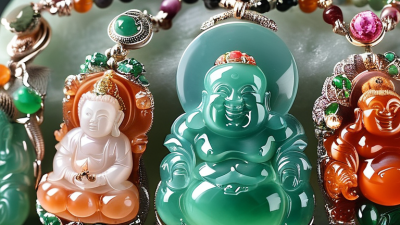
A garnet may represent protection for one buyer and family heritage for another. A pale sapphire can suggest calm, clarity, or a quiet new beginning. These meanings now influence jewelry design, gifting, and online product descriptions.
Global buyers also want practical proof behind emotional purchases.
They ask about gemstone treatments, color consistency, metal purity, and responsible sourcing. Clear information builds trust, especially when stones look different from month to month. A detailed product page should explain whether a gem is natural, lab-created, or treated. It should also avoid presenting one cultural interpretation as universal.
Customization is becoming more subtle.
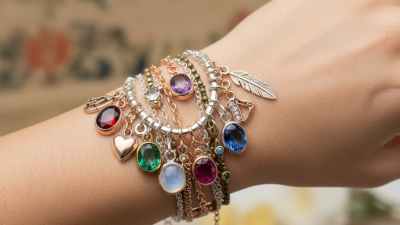
Buyers may select a birthstone by color, then add a private symbol inside the band. Small pendants, stacking rings, and adjustable bracelets suit changing styles and budgets. However, personalization can become too commercial. Not every stone needs a dramatic story. Sometimes, a simple red stone and a handwritten date feel more meaningful. This is where sellers must remain careful. Traditional associations can inspire design, but they should not replace honest gem education. Meanings evolve. They can also conflict.
Which Gemstone Cuts, Colors, and Settings Are Trending Worldwide
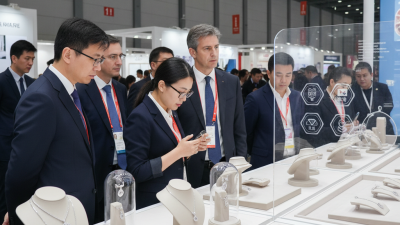
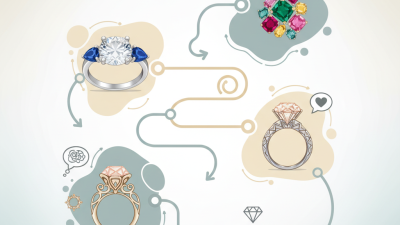
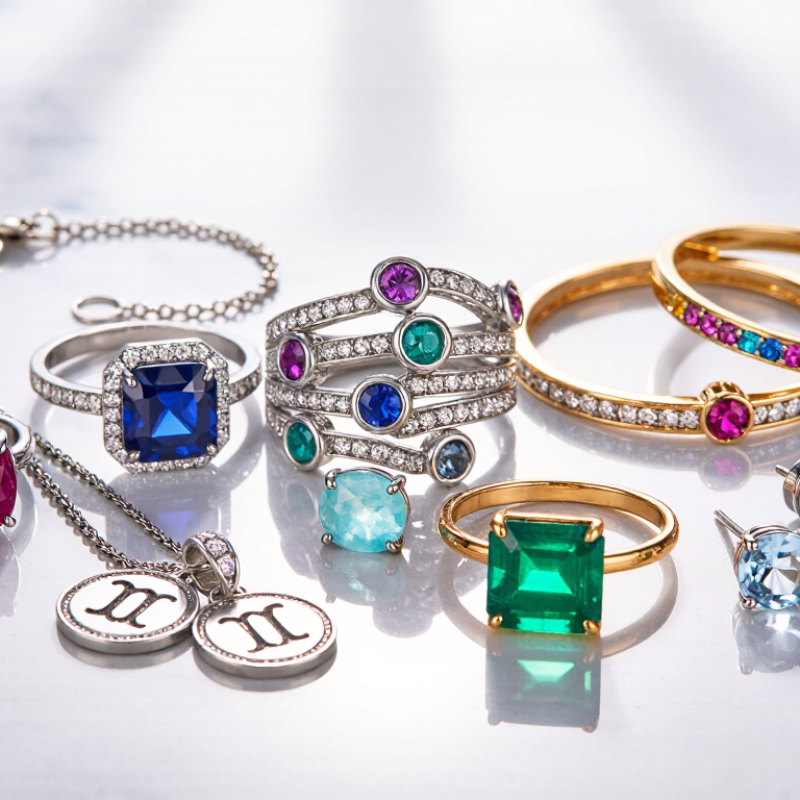
Global birthstone jewelry is shifting toward expressive cuts, clearer color stories, and practical settings. Across international trade fairs and online retail reviews, ten directions appear repeatedly. Elongated oval cuts look elegant on slender fingers. Emerald cuts suit transparent stones with strong clarity. Cushion cuts add a softer, vintage impression. Cabochons remain popular for opaque stones and tactile designs.
Color still leads. Vivid blue stones attract buyers seeking a cool, confident look. Forest green and moss tones feel connected to nature. Soft lilac and warm yellow offer gentler alternatives for modern birthstone jewelry. I once overestimated demand for pale pastel gems. Brighter saturation often performs better in photographs and physical displays. Still, color preference varies sharply between regions and age groups.
Settings are becoming more wearable. Bezel settings protect exposed edges and create a clean, contemporary outline. East-west settings make elongated stones feel less traditional. Low-profile prongs reduce snagging during daily use. Stackable rings support personal birthstone combinations, while mixed-metal details add contrast without increasing stone size. Details matter. Buyers should check gemstone treatments, durability, metal purity, and supplier documentation before purchasing. A vivid stone may be enhanced, and that is not automatically a problem, but it should be disclosed clearly. Some trend forecasts also overlook comfort, especially for larger rings worn every day.
How Personalization Is Shaping Custom Birthstone Jewelry Purchases
Top 10 Birthstone Jewelry Trends Global Buyers Need to Know
Personalization now shapes how buyers choose custom birthstone jewelry. Customers want more than a monthly gemstone. They often combine birthstones for partners, children, or close friends. A pendant may feature three stones, each with a different cut and color. Engraved initials, meaningful dates, and private messages add emotional value. Small details matter.
Experienced buyers also ask about gemstone origin, treatments, durability, and metal composition. Clear product information builds trust across international markets. A digital design preview can reduce misunderstandings before production begins. However, previews may not show the stone’s real sparkle or size accurately. That limitation deserves honest explanation. Some designs look elegant on screen but feel too heavy in person.
Tips:
Offer several stone sizes and setting styles. Show photos in natural light. Confirm spelling, measurements, and delivery times. Explain whether stones are natural, lab-created, or treated. Keep customization practical.
Personalization is not always about adding more features. Some customers prefer one clean stone with a discreet engraving. Others choose rougher textures because perfect symmetry feels less personal. Cultural preferences also influence color choices, symbols, and gift timing. A reliable supplier should record these requests carefully and confirm them before manufacturing. Mistakes can happen, especially with complex orders. A careful review process prevents most of them.
What Global Buyers Should Consider When Choosing Birthstone Jewelry
Global buyers should judge birthstone jewelry by more than birth month symbolism.
The 2024 Grand View Research assessment valued the global jewelry market at approximately USD 353 billion in 2023. This growth increases choice, but also increases quality confusion. Ask whether the stone is natural, laboratory-created, or treated. GIA explains that many colored gemstones receive treatments to improve color or clarity. Those details should appear clearly on invoices and product descriptions.
Durability matters when selecting a ring or everyday pendant.
Ruby and sapphire measure 9 on the Mohs scale, while opal and pearl are much softer, according to GIA education materials. Hardness is not everything. A fragile setting can still damage a durable stone. Ask about prong protection, gemstone security, metal purity, and cleaning instructions. Small stones also deserve documentation. Request measurements, carat weight, treatment information, and a credible identification report when value is significant.
Color consistency needs careful attention across borders.
Screen images can make a blue stone appear brighter than it looks under indoor lighting. Ask for daylight photographs or short videos. Compare the stone with a neutral background. Color is personal. I would not pretend every certificate removes risk. Reports can confirm characteristics, but they cannot guarantee craftsmanship or future resale value. Buyers should also consider cultural preferences, local sizing systems, packaging strength, and responsible sourcing statements. The World Gold Council reported record total gold demand of 4,974 tonnes in 2024, showing why metal sourcing and purity deserve equal attention alongside the birthstone itself.