413 Central Ave, N Faribault, MN 55021 | 507-334-7114 | Hours: Tuesday-Friday 9am - 5:30pm & Saturday by appointment

What Is an Engagement Ring?
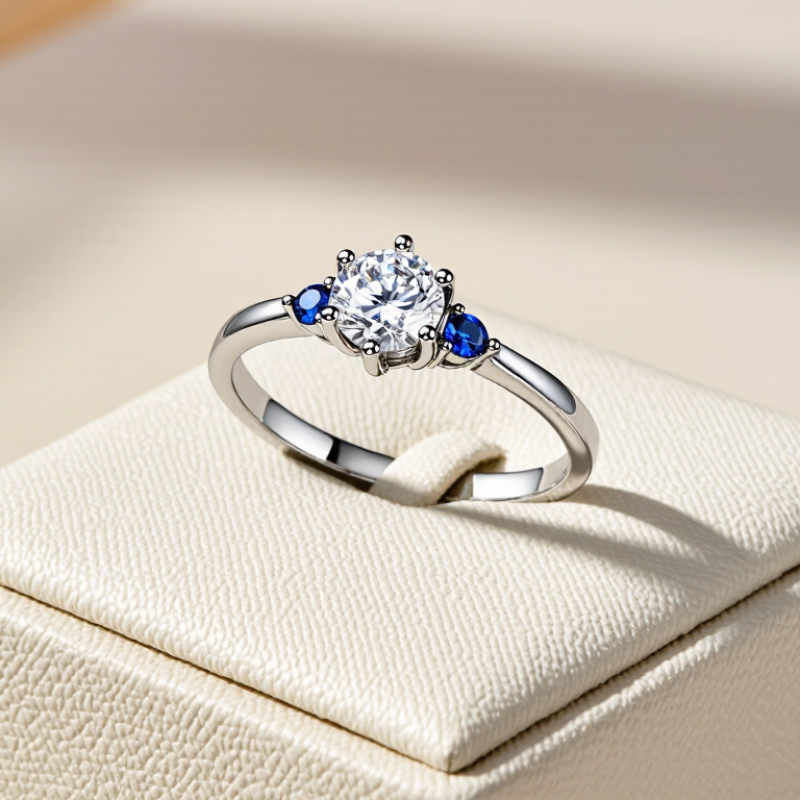
An engagement ring is a piece of jewelry traditionally given to mark a promise of marriage. It often features a diamond, but that is not a requirement. Sapphires, emeralds, moissanite, and other gemstones can carry equal emotional meaning. The ring may be worn on the left hand, although customs vary across cultures and families. Its value comes from a mixture of symbolism, craftsmanship, personal taste, and practical choice.
A well-made engagement ring should balance beauty with daily comfort. Jewelers commonly assess the gemstone’s cut, color, clarity, and carat weight, while also checking the setting and metal quality. A low profile can reduce snagging on clothing. A secure setting protects the stone during ordinary activities. These details matter more than photographs often suggest. Still, technical knowledge cannot decide what the ring should mean to every couple. Some people prefer a simple gold band, while others choose a vintage design with visible wear and history. There is no single correct engagement ring.
Personal experience also reveals an important limitation: a beautiful ring may feel wrong if it does not suit the wearer’s lifestyle. Someone working with their hands may need a durable setting and fewer raised details. Someone who rarely wears jewelry may prefer a lighter design. Budget discussions can feel uncomfortable, yet honest communication usually prevents disappointment. Even professional advice is not perfect. Measurements can change, tastes can evolve, and traditions may not fit modern relationships. Understanding an engagement ring means looking beyond its sparkle and considering the promise, person, and everyday life behind it.
Definition and Purpose of an Engagement Ring
What Is an Engagement Ring?
Definition and Purpose of an Engagement Ring
An engagement ring is jewelry traditionally given when one person proposes marriage. In many cultures, it represents a shared intention to build a future together. The ring is not a legal document or proof of a relationship. Its meaning comes from the couple’s agreement and personal values.
The purpose can be emotional, practical, or both. It may publicly communicate a commitment before the wedding. It can also preserve a private memory, such as a proposal near a quiet beach or under warm restaurant lights. Some couples choose a classic stone, while others prefer a simple band, colored gem, or no ring at all. There is no single correct design.
Comfort and daily use deserve careful attention. A ring should fit securely without pinching the finger. Its height, edges, and setting affect how easily it catches on clothing. People who work with their hands may need a lower profile or a more durable material. A professional jeweler can explain metal properties, stone security, resizing limits, and maintenance needs. Ask for clear information.
The ring cannot guarantee a lasting marriage. That idea deserves honest reflection. Its cost also does not measure love, loyalty, or readiness. A thoughtful choice considers budget, lifestyle, cultural meaning, and the recipient’s preferences. Sometimes, discussing the ring together feels less romantic. It may still prevent disappointment and create a more respectful decision.
What Is an Engagement Ring? - Definition and Purpose of an Engagement Ring
| Dimension | Information | Practical Meaning |
|---|---|---|
| Definition | An engagement ring is a piece of jewelry traditionally given to symbolize a couple’s intention to marry. | It represents a formal promise or commitment before the wedding ceremony. |
| Primary purpose | Its main purpose is to serve as a visible symbol of an accepted marriage proposal and an anticipated marriage. | The ring communicates commitment while allowing each person to express personal style and values. |
| Typical timing | It is commonly presented during or after a marriage proposal, although couples may choose their own timing. | There is no universal requirement that a proposal must include a ring. |
| Common placement | In many Western traditions, it is worn on the ring finger of the left hand before marriage. | Customs vary by country, culture, religion, and personal preference; some people wear it on the right hand. |
| Design features | Many designs feature a central gemstone, but a ring may also use several stones, a plain band, or a nontraditional shape. | The design can reflect comfort, lifestyle, aesthetics, cultural tradition, and budget. |
| Common materials | Frequently used materials include precious metals such as gold, platinum, and silver, along with gemstones such as diamonds, sapphires, rubies, or other stones. | Material choice affects appearance, durability, maintenance needs, and cost. |
| Central gemstone | A central gemstone may be selected according to its color, cut, clarity, durability, symbolism, and personal significance. | A diamond is traditional in many markets, but colored gemstones and gemstone-free designs are also established choices. |
| Difference from a wedding ring | An engagement ring generally symbolizes the intention to marry, while a wedding ring or wedding band commonly symbolizes the marriage itself after the ceremony. | Some people wear both rings together; others choose one ring, a coordinated set, or no ring. |
| Meaning after marriage | After the wedding, the engagement ring may continue to be worn with the wedding band, moved to another finger, or worn separately. | Post-wedding placement is guided by comfort, tradition, ring design, and individual preference. |
| Cultural variation | Engagement-ring customs differ around the world, including who wears the ring, which hand is used, and whether rings are exchanged. | The meaning of the ring should be understood within the couple’s cultural and personal context. |
| Financial considerations | The cost can vary widely according to metal, gemstone type, size, quality characteristics, craftsmanship, and design complexity. | A responsible choice should reflect the buyer’s finances rather than a fixed spending rule. |
| Care and maintenance | Regular inspection, gentle cleaning, secure storage, and professional maintenance can help preserve a ring’s condition. | Activities involving chemicals, heavy impact, or rapid temperature changes may require the ring to be removed or protected. |
Engagement-ring traditions are not universal. The meaning, design, timing, and wearing customs can be chosen by each couple.
Related Posts
-
Top Engagement Ring Manufacturers in China
-
China Best Jewelry Stores for Engagement Rings?
-
China Best Ladies Engagement Rings for Global Buyers
-
China Top 10 White Gold Engagement Ring Suppliers?
-

What is an Engagement Ring? A Complete Guide to Choosing the Perfect One
-
Why Choosing the Right Engagement Ring Store Is Essential for Your Perfect Ring