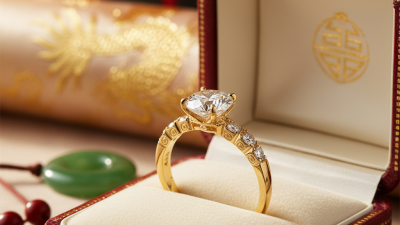
Where to Source Top China Yellow Gold Engagement Rings?
Finding the right place to source yellow gold engagement rings in China requires more than browsing attractive product photos. Buyers need reliable suppliers, traceable materials, skilled workmanship, and clear communication. China offers a broad manufacturing network, from established jewelry districts in Guangdong to specialized workshops serving international brands. Yet location alone does not guarantee quality. A polished showroom can still hide inconsistent finishing or unclear sourcing practices.
Experienced buyers often begin with verified manufacturers, established B2B platforms, trade exhibitions, and referrals from trusted industry contacts. They request business credentials, workshop images, production samples, and independent metal testing records. Ask about gold purity, hallmarking, stone security, ring thickness, plating, polishing, and resizing support. Small details matter. A ring may look warm and luxurious under studio lighting, but its color can appear different in daylight. Sample orders are essential. They expose weaknesses before a larger commitment.
Supplier evaluation should remain practical and honest. Certifications can support confidence, but they are not a substitute for direct verification. Communication quality also matters, especially when discussing custom proportions, delivery schedules, packaging, and after-sales service. Some factories may offer excellent craftsmanship but limited design support. Others may communicate smoothly while outsourcing key production steps. That difference is easy to miss. Careful sourcing means comparing evidence, not promises, and keeping expectations realistic throughout the process. The best supplier is not always the cheapest or most famous. It is the partner that consistently delivers documented quality, transparent terms, and rings that feel beautiful beyond the photograph.
Define Yellow-Gold Ring Standards Through GB/T 11887-2012 Fineness Rules
Where to Source Top China Yellow Gold Engagement Rings?
For China yellow gold engagement rings, fineness should guide sourcing decisions. GB/T 11887-2012 recognizes gold marks such as Au375, Au585, Au750, Au916, Au990, and Au999. The number expresses gold content in parts per thousand. For example, Au750 contains 75% pure gold. Au999 indicates 99.9% purity, but it is softer and may scratch more easily. Au750 often balances color, durability, and stone security.
The World Gold Council’s Gold Demand Trends: Full Year 2024 reported 1,877.1 tonnes of global gold jewellery demand. China accounted for approximately 479.3 tonnes, showing substantial market activity despite weaker consumer sentiment. This scale makes documented testing essential. Ask suppliers for invoices, fineness marks, and independent assay records. Check whether the inner band carries a clear Au mark and manufacturer identification. Tiny details matter.
A practical inspection includes weighing the ring, reviewing stone specifications, and comparing the marked fineness with an XRF test. XRF is useful, but surface testing can miss plating or uneven alloys. I still prefer laboratory confirmation for high-value orders. A stamp is not proof. Supplier explanations can also be incomplete. That uncomfortable gap deserves attention before payment, especially when an engagement ring combines a heavy gold setting with a fragile center stone.
Use WGC’s 630.2-Tonne 2023 China Jewelry-Demand Data to Map Suppliers
Where to Source Top China Yellow Gold Engagement Rings?
The World Gold Council recorded 630.2 tonnes of gold jewellery demand in China during 2023. This figure shows substantial market depth, but it does not identify reliable ring suppliers. Demand data should guide research, not replace supplier verification.
Map manufacturing regions near established jewellery clusters and wholesale markets. Compare workshops by yellow gold purity, ring weight, stone setting, and production capacity. Request dated assay reports and recent sample photos. Better still, inspect a physical sample under neutral lighting. Check the hallmark, prong alignment, polish, and ring symmetry.
Ask suppliers how they control alloy color between production batches. A warm yellow tone can look different under showroom lights. Clarify size ranges, remake policies, packaging, and realistic lead times. Small details reveal operational discipline.
My first supplier map was too neat. I assumed high demand meant consistent quality. It did not. Some factories offered beautiful samples but weak communication afterward. Treat the 630.2-tonne figure as a regional signal. Then validate each supplier through traceable documents, factory conversations, and independent product checks. A cautious comparison often finds better value than the lowest quotation.
Verify 18K and 24K Claims with GB/T 31912-2015 Marks and Assays
When sourcing China-made yellow gold engagement rings, treat “18K” and “24K” as claims, not conclusions. Under GB/T 31912-2015-related verification practice, inspect the purity mark, manufacturer identification, and supporting assay record. An 18K ring should generally indicate 750 fineness. A 24K claim needs closer attention because commercial fine gold may use 999 or 999.9 markings, depending on the applicable standard and product specification.
Ask for an independent laboratory report, not only a seller’s certificate. The report should identify the tested item, method, measured fineness, weight, and test date. X-ray fluorescence screening is useful at intake, but it may miss plating or internal variation. Destructive fire assay can provide stronger confirmation when the order value is high. A stamp can still be wrong. I have seen tiny marks polished unevenly, especially near the inner band.
Market data supports careful checking. The World Gold Council reported global gold demand of 4,974 tonnes in 2024, including over-the-counter demand, showing intense pressure across the supply chain. The China Gold Association reported China’s 2024 gold consumption at about 985 tonnes. High demand increases purchasing options, but it also makes documentation more important. Compare the mark, invoice, product weight, and assay results line by line. Do not rely on color alone; yellow tone changes with alloy composition. Recheck borderline results. That small extra cost may prevent an expensive misunderstanding.
Compare MOQ, Lead Times, Certifications, and Export Records Before Sampling
Where to Source Top China Yellow Gold Engagement Rings?
China’s yellow gold engagement ring suppliers should be compared through evidence, not showroom photography. The World Gold Council reported global jewellery consumption of about 1,877 tonnes in 2024, showing strong pressure on purity, pricing, and traceability. Request the supplier’s minimum order quantity for one prototype, ten pieces, and bulk production. A low MOQ can hide higher unit costs. Ask for written lead times, including casting, stone setting, polishing, inspection, and export clearance.
Certification needs careful reading. Request assay reports confirming 18K or 14K fineness, preferably from an ISO/IEC 17025-accredited laboratory. Responsible sourcing claims should align with recognized due-diligence frameworks, such as the Responsible Jewellery Council Code of Practices or LBMA guidance. These documents do not replace physical inspection. Gold color can vary under different lighting. I have seen “yellow gold” samples appear too pale after polishing. That small detail matters.
Check export records through UN Comtrade and relevant customs databases, comparing product codes, shipment frequency, destination markets, and declared values. Repeated exports suggest operational experience, but records may not prove current capacity. Ask for recent commercial invoices, packing lists, and redacted bills of lading. Confirm whether the factory or a trading intermediary issued them. Before sampling, record every promise in a specification sheet. One weak point remains: supplier documents can be incomplete, translated poorly, or outdated. Allow extra time. Twenty percent schedule flexibility is often more realistic than an optimistic quotation.
Benchmark Gold Costs Against LBMA Prices and Inspect Rings Before Ordering
Sourcing a China-made yellow gold engagement ring requires more than comparing supplier prices.
I begin by checking the gold weight, karat, and proposed making charge separately. The metal price should be compared with the daily LBMA gold benchmark, not treated as the full retail cost.
LBMA prices are reference values. They do not include labor, stones, finishing, shipping, taxes, or supplier margins.
Ask the manufacturer to state the calculation date and currency used. A 14K or 18K ring contains less pure gold than 24K material, so the quoted price needs careful adjustment. I also compare the quoted gram weight with the ring’s actual dimensions. Tiny differences matter. A low price may reflect a thinner band, hollow construction, or a lighter setting.
I once focused too heavily on the headline gold rate and overlooked finishing charges. That was a useful warning.
Inspect the ring before placing a large order. Request clear videos, macro photographs, and a scale reading beside the finished piece.
Check the hallmark, surface color, polished edges, prong symmetry, and stone security. The inner band should look smooth, without sharp seams or uneven soldering. If possible, use an independent jeweler or qualified gem professional for verification.
Ask whether the sample matches the production specification. It may not. A pre-shipment inspection can reveal crooked settings, inconsistent color, or dimensions that differ from the approved drawing.
Keep every measurement and revision in writing.
Evidence is stronger than promises.