Top Yellow Gold Engagement Rings for Global Buyers
Yellow gold engagement rings are attracting renewed attention from buyers seeking warmth, durability, and a familiar precious-metal finish. Their color can range from soft, pale gold to a deeper, richer tone. That difference matters beside a diamond, on different skin tones, and under everyday lighting. Small details matter.
Industry figures offer useful context, though they do not predict an individual buyer’s choice. The World Gold Council reported that global gold jewellery demand reached 1,877 tonnes in 2024, down from 2,093 tonnes in 2023. The organization linked the decline partly to elevated gold prices. This helps explain why shoppers may compare karat, gram weight, and design before choosing a ring. It does not mean demand for every style moved in the same way.
For engagement-ring spending, regional context is essential. The Knot’s 2024 Real Weddings Study, based on U.S. couples, reported an average engagement-ring spend of about $5,200. That figure should not be treated as a global benchmark. Budgets, retail pricing, and purchasing habits vary widely across markets. For international buyers, clear specifications are more useful than broad promises: confirm the gold karat, ring dimensions, stone details, and return terms before ordering.
This guide examines top yellow gold engagement rings through practical buying criteria, including setting security, comfort, craftsmanship, and value. A polished photograph can hide a thin band or high setting. Ask for measurements. Compare the details, not just the sparkle.
Yellow Gold Engagement Rings: Definition, History, and Global Appeal
Top Yellow Gold Engagement Rings for Global Buyers
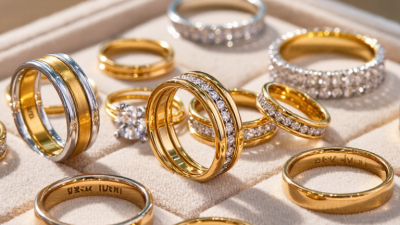
Yellow gold is a gold alloy blended with metals such as silver and copper. Its color ranges from soft honey to deep, polished amber. Karat purity matters. Eighteen-karat gold usually offers richer color, while fourteen-karat gold often provides greater daily durability.
Its history reaches back to ancient Egypt, where gold symbolized sunlight, status, and permanence. Today, the appeal feels more personal. A yellow gold ring can warm darker gemstones and complement many skin tones. It also photographs clearly against white shirts, blue denim, and natural skin. Small scratches may blend into its changing surface. That can be comforting.
Industry data shows a substantial market foundation. The World Gold Council’s Gold Demand Trends 2023 reported 2,168.6 tonnes of global jewellery fabrication demand. Its 2024 report recorded 1,877.1 tonnes, reflecting weaker demand under higher prices. These figures cover all gold jewellery, not yellow gold alone. Still, they show why metal choice deserves careful attention.
For global buyers, yellow gold offers cultural familiarity across regions. However, alloy color and durability can vary by country and manufacturer. A ring may appear more orange than expected. Request the karat, alloy composition, hallmark details, and independent grading information before purchasing. One detail is easy to miss. Gold is valuable, but comfort, proportion, and maintenance often matter more over decades. Personally, I find heavily polished yellow gold attractive at first, yet slightly excessive beside delicate gemstones. The best choice may be less dramatic.
Yellow Gold Engagement Rings: Definition, History, and Global Appeal
Karat measures the proportion of pure gold in an alloy: 24-karat gold is pure, while lower-karat gold contains a greater share of other metals. These alloys help make engagement rings more durable. The percentages shown are calculated from each karat value divided by 24.
Key Styles of Yellow Gold Engagement Rings for Different Tastes
Top Yellow Gold Engagement Rings for Global Buyers
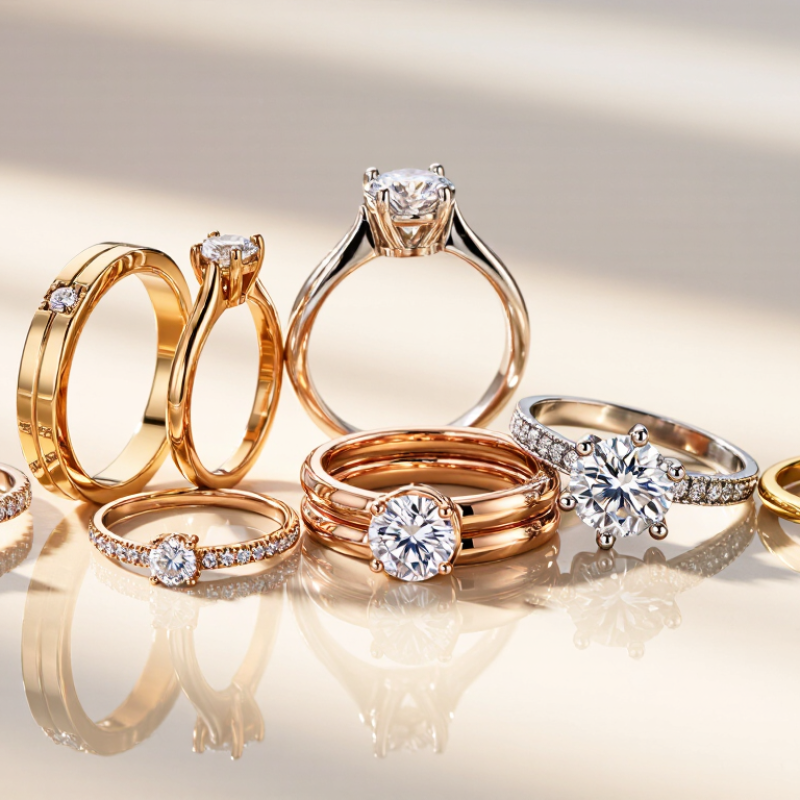
Yellow gold engagement rings suit many tastes, from quiet elegance to detailed vintage character. The best style depends on lifestyle, hand shape, and personal meaning. A classic solitaire places one diamond above a smooth yellow gold band. It offers clean lines and makes the center stone appear larger. A halo setting adds sparkle around the center stone. It can also make a modest stone look more substantial.
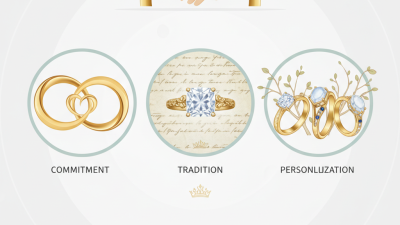
For romantic tastes, three-stone rings carry a clear sense of history and commitment. Vintage-inspired designs may include milgrain edges, engraved shoulders, or delicate filigree. These details look beautiful, but they require careful cleaning and occasional inspection. Modern buyers may prefer a bezel setting, which surrounds the stone with gold and protects its edges. Pavé bands create continuous sparkle, although small stones can catch on knitted clothing. Not every style is equally practical.
In fitting consultations, I often suggest comparing 14k and 18k yellow gold. Higher gold content creates a richer color, while 14k gold generally offers greater daily-wear resistance. A polished surface reflects warm light, but it will show fine scratches over time. That is normal. Check the ring under natural light, not only under bright showroom lamps. International buyers should confirm ring measurements, gemstone reports, metal markings, and return conditions before ordering. A trusted jeweler should explain these details clearly and provide photos from several angles.
How to Choose the Right Gold Purity, Color, and Ring Setting
Top Yellow Gold Engagement Rings for Global Buyers
Choosing yellow gold begins with purity, not shine. The World Gold Council’s Gold Demand Trends report recorded about
2,168 tonnes of global jewellery demand in 2023. That scale reflects gold’s enduring appeal, but it does not make every alloy suitable for every wearer.
Eighteen-karat gold
contains 75% pure gold and offers a rich, warm tone.
Fourteen-karat gold
contains about 58.3% gold, making it harder and often more practical for daily wear.
Nine-karat gold
at 37.5%, can provide greater durability at a lower price, although its color may appear less saturated.
Color changes with alloy composition. Copper creates a warmer, deeper yellow, while silver can produce a lighter appearance. Ask for the stated fineness, not only a color description. Lighting can mislead. I have found that comparing samples beside a window gives a more honest impression than showroom spotlights. Skin chemistry, cleaning habits, and climate also affect long-term appearance, so online photographs should not decide the purchase alone.
The setting must suit both the stone and the wearer’s routine.
Prong settings
expose more of the diamond but need periodic inspection.
Bezel settings
protect the edges and suit active lifestyles, though they can visually reduce the stone’s size.
Halo settings
add presence, but small gaps may collect dust.
GIA guidance emphasizes evaluating craftsmanship, symmetry, and secure stone placement. A perfect-looking ring can still have weak claws or uneven polishing. Request independent grading documents and a written care policy before buying internationally.
Comparing Diamond Shapes, Gemstones, and Yellow Gold Designs
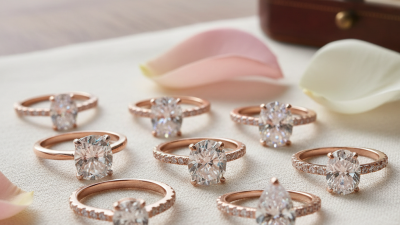
For global buyers, yellow gold engagement rings offer warmth, contrast, and lasting visual character. The right diamond shape changes the ring’s entire mood. Round diamonds look balanced and bright, while oval and pear shapes create longer lines on the finger. Emerald cuts show calm, glass-like flashes, but their open facets reveal inclusions more easily. Inspect clarity carefully.
Gemstones add another layer of personality. Sapphires suit daily wear because they resist scratching well. Rubies bring rich color, yet their natural inclusions can affect durability and value. Softer stones may need protective settings and gentler cleaning. I prefer checking gemstone treatments, origin statements, and an independent grading report before comparing prices. Online photos can mislead. Metal color changes under warm lighting.
Yellow gold also depends on karat and design. Eighteen-karat gold appears richer, but fourteen-karat gold often offers greater resistance to everyday dents. A low-profile setting can feel practical beneath gloves or clothing. Prongs should hold the stone securely without hiding its shape. Milgrain edges and hand-textured surfaces add small, visible details. Still, texture may wear unevenly. I once favored highly polished bands, then noticed every fine scratch under daylight. That changed my recommendation. Buyers should confirm resizing options, hallmark standards, warranties, and return terms for their destination country.