Skip to content

What Are the 2026 Top Stone Pendant Types?

The 2026 stone pendant market reflects a wider jewelry sector shaped by personalization, material quality, and responsible purchasing. Grand View Research valued the global jewelry market at approximately USD 353.26 billion in 2023 and projects an 8.1% compound annual growth rate from 2024 to 2030. That broader forecast does not measure pendants alone, but it signals strong room for distinctive designs.

Consumer preferences are becoming more specific. Many buyers compare color, transparency, hardness, setting security, and origin before choosing a pendant. GIA guidance remains important because treatments, imitations, and laboratory-grown materials can significantly affect value and care requirements. CIBJO’s Blue Books also provide professional terminology for gemstones and jewelry descriptions. These standards help separate a genuine design feature from vague marketing language.

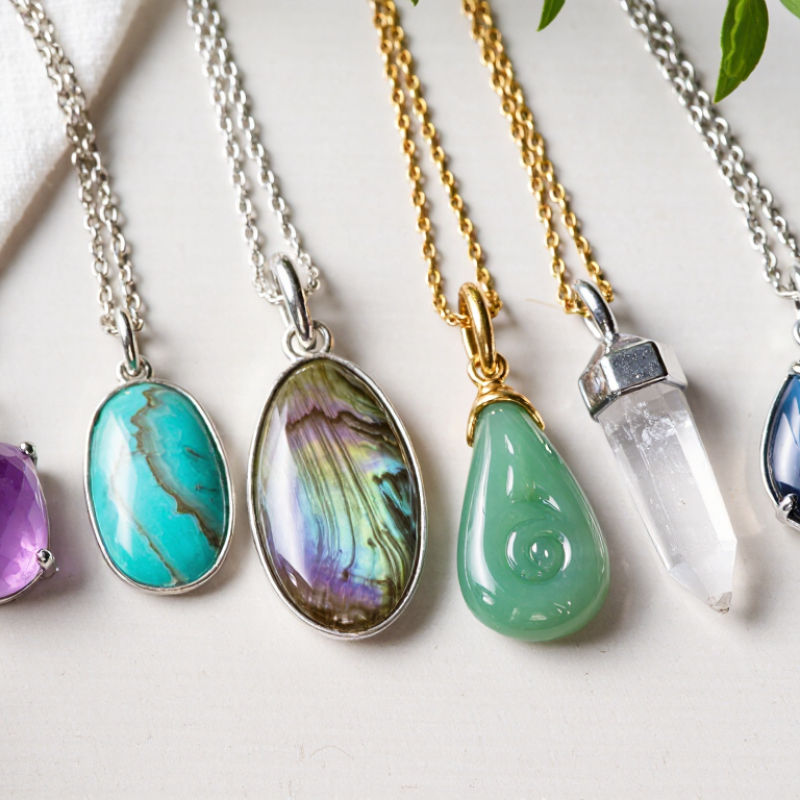
This guide examines the leading stone pendant types expected in 2026, including amethyst, turquoise, labradorite, jade, quartz, and colored sapphire styles. Some suit quiet office wear. Others create a bright focal point against a linen shirt or dark evening jacket. Sustainability claims also need careful checking. A recycled-metal setting may be useful, but its full supply chain is not always transparent. No ranking is universal. Trends change quickly, and personal symbolism can outweigh market data. That uncertainty matters. The best stone pendant is not always the rarest one; it is the piece whose stone, workmanship, documentation, and daily practicality genuinely align.
What Are the 2026 Top Stone Pendant Types?

What Defines a Top Stone Pendant Type in 2026?

What defines a top stone pendant type in 2026 is not rarity alone.

It combines verified stone quality, practical durability, responsible sourcing, and a design that suits daily wear. A pendant should feel balanced on the neck, with a secure bail and smooth edges. These details matter after hours of movement, not only under showroom lighting. Clear information about treatments, origin, and care also builds trust.

Wearability now deserves equal attention. Harder stones can resist scratches, while softer stones may need protective settings and occasional inspection. A knowledgeable maker should explain these differences plainly.

In my experience, a pendant with a modest stone but excellent cutting often looks more refined than an oversized stone with uneven polish. Small details count. Color should remain attractive in natural daylight, not just beneath warm display lamps.

The strongest types also reflect personal meaning without becoming difficult to maintain. Geometric cuts suit modern wardrobes, while organic shapes preserve a handmade character. Recycled metals and documented material practices can strengthen a pendant’s appeal, but vague claims should invite questions.

No type wins every test. I still find some highly polished designs less comfortable than expected, especially when their backs press against the skin. A top pendant type should therefore balance beauty, evidence, comfort, and honest limitations.

Which Gemstones Are Most Popular in 2026 Stone Pendants?

In 2026, amethyst remains a popular choice for stone pendants because its purple color works with silver, gold, and everyday clothing. Many buyers prefer medium-sized amethyst teardrops with visible zoning, rather than perfectly uniform color. This natural variation makes each pendant feel more personal. It also prevents the piece from looking overly manufactured.

Moonstone, labradorite, and rose quartz are gaining attention among shoppers seeking softer, wearable colors. Moonstone often shows a blue flash when it moves under light. Labradorite creates a stronger effect, shifting from gray to green or blue. Rose quartz offers a gentle pink tone for minimalist pendants. Very simple.

Turquoise and black onyx suit people who want clearer contrast. Turquoise may contain matrix lines, which are natural patterns in the stone, but some buyers wrongly treat them as defects. Onyx usually has a smoother, darker appearance and pairs well with geometric settings. From a jewelry evaluation perspective, hardness, surface condition, and treatment disclosure matter as much as color. Amethyst and quartz are fairly practical for occasional daily wear, while softer stones need more care. Avoid dropping pendants onto hard floors. Please do.

Popularity does not prove authenticity or quality. I have seen attractive stones with uneven polishing, loose settings, or unclear treatment information. A reliable seller should describe the gemstone accurately and explain its care requirements. I would also inspect the bail, edges, and drilled area before buying. These small details are easy to overlook, even by experienced shoppers.

What Are the 2026 Top Stone Pendant Types?

Which Gemstones Are Most Popular in 2026 Stone Pendants?

Amethyst, quartz, turquoise, rose quartz, moonstone, and jade remain strong choices for stone pendants because of their recognizable colors, widespread availability, and suitability for everyday jewelry. The index is a comparative editorial benchmark based on color appeal, durability, availability, and styling versatility rather than company or brand sales data.

How Are Stone Pendant Shapes and Designs Classified?

What Are the 2026 Top Stone Pendant Types?

Stone pendant shapes are commonly classified by their outline, surface treatment, and construction. Popular outlines include teardrop, oval, round, rectangular, freeform, and geometric shapes. Teardrop pendants create visual movement, while oval stones usually feel softer and more traditional. Freeform pieces show natural edges, so every pendant appears slightly different.

Surface design creates another useful classification. Cabochon pendants have smooth, rounded faces without visible facets. Faceted stones use angled cuts to reflect light more sharply. Carved pendants may feature leaves, waves, animals, or abstract lines. Some designs combine polished centers with rough outer edges, creating a contrast between control and nature. The categories can overlap. A freeform stone may also be carved or partially faceted.

Construction also matters when comparing pendant types. A drilled stone has a hole through the material and often looks lightweight. A bezel or prong setting supports the stone with metal around selected edges. When assessing quality, check the hole, corners, polish, and attachment point. Small chips near the drill hole can weaken a pendant. Weight matters too. A beautiful stone may become uncomfortable after several hours.

Color, pattern, and transparency affect design classification, but personal taste remains important. I sometimes prefer imperfect symmetry because it reveals the stone’s natural history. Still, uneven finishing is not always intentional. Ask how the stone was cut, treated, and secured before judging its value.

What Settings and Crafting Styles Shape 2026 Pendant Trends?

In 2026, stone pendant trends are shaped as much by settings as by gemstones. Clean bezel settings are gaining attention because they protect smooth cabochons and create a calm, modern outline. Four-claw and six-claw settings remain useful for faceted stones, letting light enter from several angles. However, delicate claws need careful inspection. A loose tip can damage a stone or catch on clothing. Low-profile pendants also suit daily wear, especially when the stone sits close to the chest. This is practical, not merely fashionable.

Crafting style adds human character. Hand-carved stones show soft asymmetry, visible tool marks, and warmer silhouettes. Precision cutting produces sharper reflections and geometric pendants. Hammered metal surrounds can add texture, while smooth gallery walls keep the design quiet. Artisans are also combining open backs with secure frames, balancing light transmission and strength. I think this balance is still imperfect. Some open designs look beautiful but expose softer stones to knocks. Material choice, stone hardness, and setting tension should be assessed together by an experienced maker.

Tips: Choose a setting that matches your routine. Ask how the stone is supported, not only how it looks. Check edges with a fingertip; rough points suggest unfinished polishing. For frequent wear, choose a secure bail and rounded contact surfaces. Keep a record of the stone’s dimensions and care needs. It makes future repairs easier.

How Should You Choose and Care for a Stone Pendant?

What Are the 2026 Top Stone Pendant Types?

In 2026, popular stone pendants balance natural character with comfortable daily wear. Amethyst, moonstone, labradorite, jade, and agate remain appealing choices. Each stone offers different colors, patterns, and durability. Moonstone gives a soft glow, while labradorite shows blue flashes under angled light. Agate often provides stronger resistance for regular use. However, fashion should not decide everything. Your lifestyle matters more.

Choose a pendant by checking its surface, setting, weight, and chain connection. A stone with visible cracks may need gentler handling. Ask whether the stone is dyed, heat-treated, or stabilized. Reliable sellers should explain these details clearly. For valuable pieces, an independent gemologist can verify material and treatments. I once selected a pendant mainly for its color, then found it too heavy for daily wear. That mistake changed my buying habits. Touch and inspect it before deciding.

Tips: Keep the pendant away from perfume, chlorine, and household cleaners. Wipe it with a soft, slightly damp cloth after wearing. Store it separately in a fabric pouch to prevent scratches. Avoid ultrasonic cleaners unless a qualified professional confirms they are safe. Some stones can fade in strong sunlight. Others may crack after sudden temperature changes. Wear it carefully. Even durable stones are not indestructible.

What Are the 2026 Top Stone Pendant Types? - How Should You Choose and Care for a Stone Pendant?

Stone Pendant Type Approx. Mohs Hardness Typical Appearance Best For Key Selection Advice Care Recommendations
Clear Quartz 7 Colorless and transparent to translucent, often with natural inclusions. Everyday wear and minimalist designs. Choose a piece with good transparency, secure drilling, and no visible chips around the hole. Clean with lukewarm water, mild soap, and a soft cloth. Avoid harsh chemicals and sudden temperature changes.
Amethyst 7 Purple quartz ranging from pale lilac to deep violet. Color-focused pendants and regular use. Look for even color, attractive natural zoning, and a smooth, well-polished surface. Keep away from prolonged strong sunlight, which may fade some material. Use gentle soap and water; avoid steam and abrasive cleaners.
Agate and Chalcedony 6.5–7 Translucent to opaque, with bands, clouding, or softly colored patterns. Durable statement pendants and distinctive natural patterns. Select the pattern and translucency you prefer; check whether color has been treated or dyed. Wipe with a soft damp cloth and mild soap. Avoid bleach, acids, and prolonged heat.
Jadeite Jade 6.5–7 Green, lavender, white, yellow, or other colors; commonly translucent to opaque. Smooth cabochons, carved pendants, and symbolic jewelry. Ask whether the jade is untreated, bleached, polymer-impregnated, or dyed, because treatment affects care and value. Use lukewarm water and a soft cloth. Avoid acids, solvents, ultrasonic cleaners, and high heat, especially for treated jade.
Nephrite Jade 6–6.5 Usually green, with a smooth, waxy to oily luster and strong toughness. Carved or rounded pendants designed for frequent wear. Prioritize an even texture, comfortable weight, and a hole or bail free from fractures. Clean gently with mild soapy water. Avoid abrasive polishing compounds and strong chemicals.
Turquoise 5–6 Blue to green, often with a natural matrix pattern; commonly porous. Colorful accent pendants and occasional wear. Confirm whether it is natural, stabilized, reconstituted, or dyed; treatments change durability and maintenance. Keep dry and away from perfume, cosmetics, oils, and household chemicals. Wipe only with a soft, slightly damp cloth.
Opal 5.5–6.5 A white, gray, black, or body-colored background with possible play-of-color. Occasional wear and eye-catching color effects. Check for stable construction, an even dome, and no cracks or crazing. Identify whether it is solid, doublet, or triplet. Avoid ultrasonic cleaners, steam, extreme heat, and rapid temperature changes. Clean with a damp soft cloth only.
Moonstone 6–6.5 White, gray, peach, or other body colors with a floating blue or white sheen. Softly glowing pendants and moderate, careful wear. Look for a centered sheen, good translucency, and protection around edges and the drilled area. Avoid hard impacts, ultrasonic cleaning, and steam. Use mild soapy water and dry thoroughly.
Lapis Lazuli 5–5.5 Deep blue to violet-blue, sometimes with white calcite or metallic-looking pyrite inclusions. Bold color blocks and artistic or carved pendants. Choose based on the balance of blue color and natural inclusions; confirm any dye or surface treatment. Keep away from acids, solvents, cosmetics, and prolonged moisture. Wipe with a soft dry or slightly damp cloth.
Obsidian 5–5.5 Usually glossy black, with possible sheen, banding, or translucent edges. Clean, modern designs and occasional everyday use. Inspect edges carefully because volcanic glass can chip; choose a smooth shape with a protected bail. Avoid impacts and abrasive materials. Clean with mild soap, lukewarm water, and a soft cloth.
General selection and care guide: Choose the stone according to color, transparency, personal style, wearing frequency, and the pendant’s setting or bail security. Remove pendants before swimming, showering, exercising, or applying cosmetics. Store each piece separately in a soft pouch to reduce scratches. Mohs hardness values are approximate and do not measure toughness or resistance to breaking.