Skip to content

What Are 2026 Top Birthstone Charm Bracelet Trends?

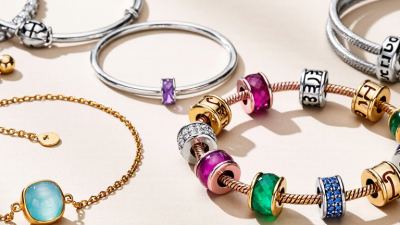
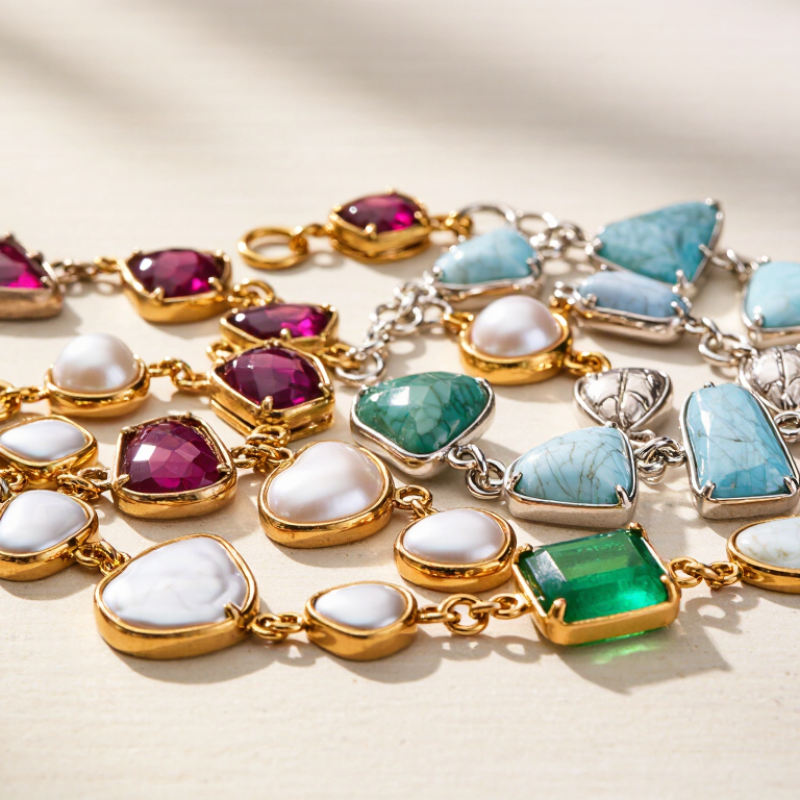
In 2026, the birthstone charm bracelet is becoming more personal, tactile, and deliberately imperfect. Shoppers are choosing meaningful combinations instead of identical, mass-produced designs. A January garnet may sit beside a June pearl, representing family birthdays, friendship, or a private milestone. Small details matter: brushed gold, recycled silver, uneven charm spacing, and secure lobster clasps can change the bracelet’s entire character.

Kendra Scott, a respected jewelry designer and founder, has said, “Jewelry should be fun, and it should make you feel good.” That idea strongly shapes the newest birthstone charm bracelet trends. Designers are exploring layered bracelets, removable charms, mixed gemstones, and adjustable chains for different wrist sizes. Some collections feature lab-created stones, while others use natural gems with visible inclusions. Neither choice is automatically better. Buyers should check stone descriptions, metal purity, return policies, and sourcing information before purchasing.

Practical wearability is gaining attention, too. A bracelet should survive ordinary movement, not only photograph beautifully. Secure settings help protect small stones during daily use. Soft polishing cloths can reduce surface grime, but harsh chemicals may damage certain gems. Personalization also has limits. Too many charms can make a bracelet heavy, noisy, or visually confused.

That tension is worth considering. More meaning can create more clutter. This guide examines 2026’s leading styles, materials, color combinations, and buying considerations. It also asks whether current trends offer lasting value, or simply encourage another short-lived purchase.

What Are 2026 Top Birthstone Charm Bracelet Trends?

What Are Birthstone Charm Bracelets?

What Are 2026 Top Birthstone Charm Bracelet Trends?

A birthstone charm bracelet is a wearable collection of personal symbols. Each charm may represent a birth month, family member, milestone, or private memory. The stone can be natural, lab-grown, or simulated. Its meaning depends on the wearer, not only its price.

The Gemological Institute of America identifies twelve traditional birthstones, including garnet for January and turquoise for December. A bracelet usually combines these stones with a chain, metal charms, or small engraved tags. Picture a silver link bracelet with a deep red garnet, a tiny initial, and a date stamped underneath. It feels personal because the details are visible but not loud.

Personalization is becoming more important in jewelry. Grand View Research valued the global jewelry market at about USD 353.26 billion in 2023. Its report projects an 8.5% compound annual growth rate from 2024 to 2030. This growth does not prove every charm trend will last. Trends can be noisy. The word “meaningful” can also become marketing fluff.

For 2026, shoppers may favor modular bracelets with removable birthstone charms. This design allows one bracelet to mark new relationships, birthdays, or family changes. Smaller stones may suit daily wear, while larger charms create stronger visual contrast. Materials still require careful checking. Stone treatments, metal purity, and coating durability should be clearly disclosed. A beautiful bracelet can disappoint when plating fades after a few weeks. Personal experience matters here: comfort, clasp security, and skin sensitivity often matter more than a dramatic product photograph.

Which Birthstones Define 2026 Bracelet Trends?

In 2026, birthstones defining charm bracelet trends will be amethyst, garnet, aquamarine, and emerald. Their saturated colors suit smaller charms and layered bracelets. Garnet adds a wine-red winter accent, while aquamarine creates a clean, watery look for spring. Emerald brings stronger contrast beside gold-toned metal. Amethyst remains popular for its violet color and symbolic connection with calm.

Color will matter more than tradition alone. Grand View Research projects the global colored gemstones market to grow at about 5.6% annually from 2024 to 2030. That growth supports demand for personal, colorful jewelry. A charm bracelet may combine sapphire for September, ruby for July, and citrine for November. Tiny engraved discs can identify each month without making the bracelet feel crowded. Keep it balanced.

Jewelry professionals should disclose treatments, stone origin information, and durability concerns. The Gemological Institute of America explains that many colored stones receive treatments that affect care requirements. Opal and turquoise need gentler handling than sapphire or ruby. The forecast is not flawless. Some shoppers will ignore birth months and choose stones by mood, clothing, or memory. That choice may shape 2026 more than any color chart. A slightly irregular stone can also feel more personal than a perfectly matched set.

How Are Charms, Metals, and Colors Being Combined?

What Are 2026 Top Birthstone Charm Bracelet Trends?

In 2026, birthstone charm bracelets are moving toward personal color stories. Wearers are mixing meaningful stones with small symbols, such as moons, initials, stars, or protective eyes. Traditional birthstone lists still guide choices, but monthly associations can vary by region. Check the stone’s identity before purchasing. A jeweler’s gem report or clear material description adds useful confidence. Soft colors remain popular, especially lavender, pale blue, blush pink, and milky white. These shades create a quieter look than heavily matched jewelry.

Metal combinations are becoming more relaxed. Yellow gold adds warmth to green, red, and honey-colored stones. Silver or white gold sharpens cooler gems, including blue, purple, and clear stones. Mixed metals can connect different charms without making the bracelet appear too planned. I would not call every pairing timeless. Some color contrasts look exciting in photos but feel busy on the wrist. A practical choice is one main metal, one supporting metal, and two or three repeating colors.

Tips: Begin with one meaningful birthstone charm. Add symbols gradually. Keep charm sizes varied, but avoid placing several heavy pieces together. Test the bracelet while moving your hand. Clasps should close securely, and polished edges should feel smooth against the skin. Clean gemstones according to their hardness, because delicate stones may scratch or react poorly to harsh products. Even careful styling needs revision. Your bracelet should reflect real habits, not only a perfect trend image.

What Are 2026 Top Birthstone Charm Bracelet Trends? - How Are Charms, Metals, and Colors Being Combined?

Month Traditional Birthstone Recognized Color 2026 Metal Pairing Popular Charm Combination Color-Combination Direction Styling Focus
January Garnet Deep red Yellow gold with antique-finish accents Garnet bead, initial, star, or protective-symbol charm Burgundy, cream, and warm metallic tones Rich, vintage-inspired layering
February Amethyst Purple to violet Sterling silver or white gold Amethyst stone, crescent moon, heart, or floral charm Lavender, lilac, white, and cool silver Soft celestial and romantic styling
March Aquamarine Pale blue White gold or polished silver Aquamarine drop, wave, shell, or compass charm Pale blue, sea green, pearl white, and silver Lightweight coastal and travel themes
April Diamond Colorless or near-colorless White gold, platinum, or mixed metals Clear stone, letter, lock, or geometric charm White, ice blue, clear crystal, and silver Minimal, polished, and stackable designs
May Emerald Vivid green Yellow gold Emerald bead, leaf, botanical, or quatrefoil charm Emerald green, ivory, soft pink, and gold Botanical motifs with refined contrast
June Pearl, Alexandrite, or Moonstone White, color-shifting, or milky blue Mixed metals for contrast Pearl, moon, shell, butterfly, or iridescent stone charm Pearl white, blush, lavender, and iridescent tones Layered summer and occasion styling
July Ruby Red Yellow gold or rose gold Ruby stone, sun, heart, or tropical-flower charm Ruby red, coral, orange, and warm gold Bold color blocking and expressive stacking
August Peridot, Spinel, or Sardonyx Lime green, pink, or reddish brown Yellow gold with colored enamel details Peridot bead, sun, citrus, leaf, or engraved disc Lime green, yellow, white, and terracotta Playful summer color and personalized details
September Sapphire Blue White gold or platinum Sapphire stone, evil-eye, key, or constellation charm Cobalt blue, navy, white, and cool silver Classic color depth with symbolic charms
October Opal or Tourmaline Iridescent white or varied colors Rose gold or mixed metals Opal cabochon, rainbow, flower, or abstract charm Iridescent white, pink, green, blue, and rose gold Artistic, color-shifting, and eclectic layering
November Topaz or Citrine Yellow, golden brown, or blue Yellow gold or bronze-toned accents Citrine bead, leaf, acorn, sun, or harvest charm Honey, amber, mustard, cream, and gold Warm autumn palettes with organic motifs
December Turquoise, Tanzanite, or Zircon Blue, blue-violet, or blue-green Silver, white gold, or platinum Turquoise stone, snowflake, travel, or star charm Turquoise, icy blue, white, and silver Winter sparkle with travel-inspired symbolism

Note: Birthstone assignments can vary by country and jewelry tradition. The combinations above present established birthstone colors alongside forward-looking 2026 styling directions rather than audited market-share statistics.

What Personalization Features Will Shape 2026 Designs?

What Are 2026 Top Birthstone Charm Bracelet Trends?

Personalization will shape 2026 birthstone charm bracelets more than color alone. McKinsey’s 2021 personalization study found that 71% of consumers expect personalized interactions. About 76% feel frustrated when brands miss that expectation. For bracelets, this means adding a birth month stone, engraved initials, a meaningful date, or a tiny symbol together. Designers are also exploring adjustable links, removable charms, and mixed metal finishes. These details make one bracelet feel less mass-produced.

According to Grand View Research, the global jewelry market reached about $353.26 billion in 2023. The report projects a 6.9% compound annual growth rate from 2024 to 2030. This wider market data supports continued interest in customizable jewelry, but it is not birthstone-specific. That limitation matters. A personalized bracelet should balance beauty with wearability. A gemstone expert would check stone hardness, setting security, and skin comfort before recommending daily use. Soft stones may need protective settings. Tiny charms can also catch on knitwear.

Tips: Choose one focal stone. Add no more than three small charms. Engrave the inside when the outer surface feels crowded. Ask for stone treatment details and cleaning guidance. A birthstone can be symbolic, yet color preferences still matter. Personal meaning should lead the design, not every available option.

What Are 2026 Top Birthstone Charm Bracelet Trends?

What Personalization Features Will Shape 2026 Designs?

The strongest personalization opportunity comes from months with multiple commonly recognized birthstones. In 2026, charm bracelets can use interchangeable gemstone charms, layered birthstone combinations, engraved initials, adjustable links, and mix-and-match color palettes to make each piece more personal.

Data basis: commonly recognized modern birthstone assignments. Months with multiple stones provide more options for customized charm combinations.

How Can You Choose a 2026 Birthstone Charm Bracelet?

How Can You Choose a 2026 Birthstone Charm Bracelet?

Choosing a 2026 birthstone charm bracelet should begin with meaning, not decoration. Grand View Research valued the global jewelry market at approximately $353.26 billion in 2023. It also forecasts an 8.5% compound annual growth rate through 2030. Personalization is growing. Still, trends should not replace careful buying. Confirm the birth month and stone color first. Then consider the wearer’s daily routine, skin sensitivity, and preferred metal. A small garnet charm may suit a discreet office style. A brighter turquoise charm can feel more expressive. I would avoid choosing only from photographs. Online colors can mislead.

Quality needs practical checking. The National Retail Federation’s 2024 Mother’s Day survey found that 22% of shoppers planned to purchase jewelry. That figure supports jewelry’s gifting appeal, but it says nothing about durability. Ask whether the stone is natural, synthetic, or treated. The Gemological Institute of America explains that treatments should be disclosed because they can affect care and value. Check metal markings, clasp strength, charm attachment, and return terms. Measure the wrist with a soft tape, leaving room for one finger. Too tight feels restrictive. Too loose may twist constantly. A gemstone report may be unnecessary for a modest bracelet, and this is where buyers often overspend. Choose a secure clasp and a finish that matches real use. The most beautiful option is not always the wisest one.