Skip to content

What Are the Top Pendant Jewelry Trends for Global Buyers?

Pendant jewelry is moving from a small accessory category into a visible expression of identity, gifting, and everyday style. Global buyers now compare design, material origin, craftsmanship, and delivery reliability before placing an order. The pendant must do more than sparkle. It should sit comfortably, photograph clearly, and communicate a recognizable story.

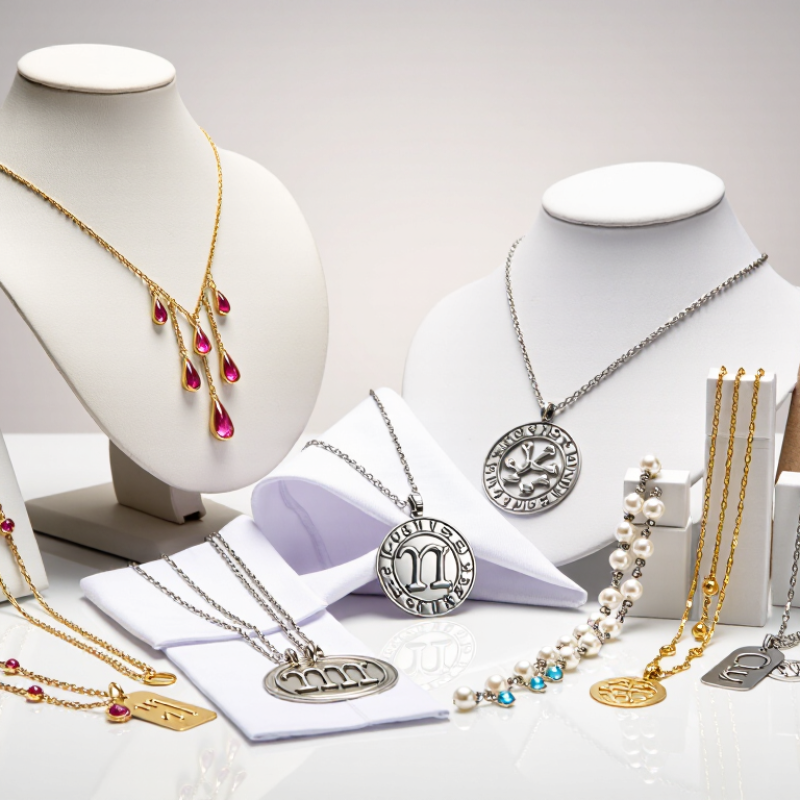
McKinsey & Company’s “A New Era for the Global Jewelry Industry” projected annual jewelry-market growth of approximately 3–4% from 2020 to 2025. The same report expected branded jewelry to grow faster, by roughly 8–12% annually. These figures help explain the demand for distinctive pendants, personal symbols, and recognizable design languages. Grand View Research also identifies personalization and online retail as important jewelry-market drivers. For buyers, this means initials, birthstones, zodiac forms, layered chains, pearls, and sculptural charms deserve careful attention.

The details matter. A 45-centimeter chain can rest near the collarbone, while a longer pendant creates a stronger visual line over a plain shirt. Recycled metals, lab-grown stones, and transparent sourcing are also influencing purchasing decisions. However, market reports often group pendants with broader jewelry segments. Their forecasts are useful, not perfect. Some trends may fade before inventory arrives.

This guide examines the top pendant jewelry trends for global buyers, using market evidence and practical product considerations. It also considers finish quality, wearability, cultural sensitivity, packaging, and clear material disclosure. Trends change quickly. Trust should not.
What Are the Top Pendant Jewelry Trends for Global Buyers?

Defining the Global Pendant Jewelry Market

The global pendant jewelry market is shaped by changing lifestyles, cultural preferences, and practical buying habits. Buyers increasingly seek lightweight pendants, clean geometric forms, symbolic motifs, and personalized details. Nature-inspired shapes remain popular, while mixed textures add visual interest without making the piece feel heavy. However, trends differ across regions. A delicate pendant may appeal to urban shoppers, while larger symbolic designs may perform better in markets that value visible ornamentation.

Market definition requires more than tracking popular styles. It includes materials, price levels, production standards, distribution channels, and customer expectations. International buyers often examine metal specifications, pendant dimensions, clasp quality, chain compatibility, care instructions, and product photography. Clear sourcing information also supports trust.

In my view, many market reports focus too heavily on appearance. That can be misleading. Durability, packaging, delivery reliability, and responsive communication often influence repeat purchases more than a temporary trend.

Tips: Compare regional preferences before selecting designs. Offer several pendant sizes and chain lengths. Use precise measurements, natural lighting, and close-up images. Explain materials in simple language. Test clasps and attachments before shipment. A small quality mistake can damage buyer confidence. Sustainability claims should be specific and verifiable, not decorative wording. No trend map is perfect. Customer feedback may reveal that a less fashionable design sells more consistently.

Key Pendant Styles Shaping Current Buyer Preferences

Global pendant buyers are choosing styles that feel personal, wearable, and easy to layer. Minimal geometric pendants remain popular because they suit office outfits and casual clothing. Bar, circle, and small architectural shapes offer a clean appearance without feeling plain. Initials, birthstones, and symbolic charms also attract buyers seeking emotional meaning. However, personalization can look predictable when every design follows the same template.

Nature-inspired pendants are gaining attention, especially leaves, shells, moons, and irregular stones. Buyers often prefer visible texture over perfectly polished surfaces. Pearls and colored gemstones add softness, while recycled metals appeal to shoppers who examine sourcing information. From practical product reviews, chain strength matters as much as appearance. A secure clasp, balanced pendant weight, and smooth edges improve daily comfort. I have seen attractive pieces lose appeal because their chains twist easily. That detail deserves more attention.

Tips: Test pendants with different necklines before selecting a final style. Check the pendant’s dimensions, metal details, and care instructions carefully. For layered looks, combine varied chain lengths instead of stacking similar shapes. Leave breathing room. Buyers should also question vague sustainability claims and request clear material information. Trends change quickly, but comfortable construction and honest product descriptions remain reliable purchase signals.

Popular Materials, Gemstones, and Finishes

Global pendant buyers are showing strong interest in recycled sterling silver, 14-karat gold, and durable stainless steel. Each material creates a different buying experience. Silver offers a bright, accessible surface, while gold provides warmth and long-term value. Stainless steel suits everyday wear because it resists moisture and scratches better than softer metals.

Natural gemstones remain important, especially lab-tested sapphires, amethyst, garnet, and freshwater pearls. Buyers often prefer clear color, balanced cutting, and traceable sourcing over excessive size. A small sapphire with sharp facets can look more refined than a large stone with cloudy areas. Pearl pendants bring softer appeal, but their luster should be checked under natural light. I have found that color descriptions can vary between suppliers, so physical samples still matter.

Finishes are becoming more expressive. High polish reflects light strongly, brushed surfaces feel modern, and hammered textures add handmade character. Matte finishes are useful for minimal designs, although they may show uneven wear over time. PVD color coatings can create black, gold, or rose tones, but their durability depends on preparation and daily use. That detail is often overlooked. Buyers should request coating thickness, gemstone treatment information, metal composition, and clear product photographs before placing large orders. Trends move quickly, and not every popular finish performs equally well in every market.

How Buyers Choose Pendant Jewelry for Different Markets

Global pendant buyers rarely choose by appearance alone. They compare cultural meaning, price bands, materials, and delivery reliability. Minimal geometric pendants often suit urban markets, where clean styling works with office clothing and casual outfits. Meanwhile, symbolic motifs may perform better where customers value heritage, spirituality, or personal storytelling. Meaning matters. However, symbols should be researched locally, not copied from assumptions.

Buyers also adjust size and chain length for regional preferences. A 40-centimeter chain may feel refined in one market but too short in another. In warmer markets, lightweight pendants and breathable packaging can improve daily comfort. In colder regions, larger pendants may work well over knitwear and coats. Finish changes the decision too. Brushed surfaces hide small marks, while polished surfaces attract attention but need careful packaging. For online channels, clear scale photos and measured dimensions reduce returns.

Professional sourcing requires more than trend reports. Buyers should check metal composition, plating thickness, clasp strength, stone security, and test documentation. Supplier records should match product samples. That step is easy to skip. It should not be. I have found that low-priced pendants can lose appeal when packaging feels careless or wear comfort is poor. Yet market forecasts are never perfect. A design that looks universal may fail because its symbol, weight, or color feels unfamiliar. Small regional tests and buyer feedback are safer than large guesses.

Future Directions in Global Pendant Jewelry Trends

Global pendant jewelry is moving toward lighter forms, useful details, and clearer material stories. Future buyers will likely prefer pendants that shift between daily wear and formal settings. Convertible chains, detachable charms, and adjustable lengths already support this demand. A small pendant should feel balanced, not merely decorative. Buyers often inspect clasp strength, surface finishing, and comfort before judging visual appeal.

Material transparency will shape future purchasing decisions. Recycled metals, lab-grown stones, and responsibly sourced natural materials may gain wider acceptance. However, sustainability claims require verifiable records, not attractive wording. Suppliers should provide origin details, testing documents, and consistent quality data. A pendant with a visible production story can build trust. Yet recycled material supplies may vary, creating color and texture differences.

Personalization will become more precise through digital design tools. Customers may preview pendant size, engraving placement, and chain length before production. This can reduce costly sampling, but digital previews cannot fully show weight or surface texture. That remains a weakness. Designers should combine virtual approval with physical samples for important orders. Future collections may also use discreet geometric shapes, organic textures, and gender-neutral proportions. Some forecasts will miss the mark. Consumer taste changes faster than production cycles.