Skip to content

What Is the Best Type of Necklace Jewelry?

Choosing the best type of necklace jewelry is less about fashion alone. It is about proportion, comfort, materials, and the moment you want to create. A delicate gold chain can brighten a white shirt. A bold pendant can anchor a plain black dress. The right piece should feel intentional, not simply expensive.

Fashion designer Michael Kors once said, “I’ve always thought of accessories as the exclamation point of a woman’s outfit.” That idea fits necklace jewelry especially well. A short pendant draws attention toward the face. A longer chain creates movement across the chest. Pearl necklaces add softness, while silver or platinum designs often create a cleaner, cooler effect. Skin sensitivity also matters. Look for clearly identified metals, secure clasps, and smooth surfaces. Nickel-free options may offer better daily comfort.

There is no universal winner. That answer sounds convenient, but it is incomplete. Your neckline, lifestyle, budget, and personal taste should guide the choice. For frequent wear, a lightweight chain with a durable clasp may be more practical than a fragile statement piece. For formal occasions, gemstone color and pendant scale deserve closer attention. I would also question the habit of buying jewelry only for trends. A necklace can look impressive online yet feel awkward after two hours. Try it with your usual clothes, check its weight, and inspect its finish under natural light. The best necklace jewelry combines beauty with honest wearability.
What Is the Best Type of Necklace Jewelry?

Understanding the Main Types of Necklace Jewelry

What Is the Best Type of Necklace Jewelry?

Understanding the Main Types of Necklace Jewelry

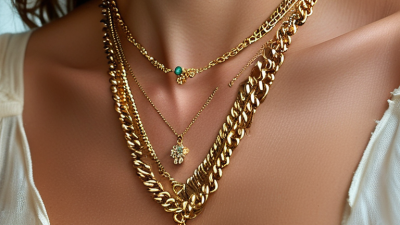
Necklace jewelry comes in several practical forms, and each creates a different visual effect. A chain necklace uses linked metal sections, from delicate cable chains to bold curb styles. It works well alone or with layered pieces. A pendant necklace adds a focal point, such as a small stone, charm, or geometric shape. The pendant should sit comfortably without pulling the chain sideways.

A choker rests close to the neck and suits open collars or simple evening clothing. Measure carefully, because excessive tightness can cause discomfort. A collar necklace is wider and usually follows the base of the neck. It can look polished with plain fabrics, but it may compete with detailed patterns. Bib necklaces use several decorative strands, making them more noticeable and heavier.

Longer styles offer different movement. An opera necklace can fall near the chest, while a lariat often uses a hanging, adjustable design. A station necklace places separated beads or stones along the chain, creating gentle spacing. Pearl necklaces remain versatile, although their surface needs careful protection from perfume, sweat, and rough storage.

The best choice depends on neckline, comfort, metal sensitivity, and daily habits. Categories also overlap, which can feel confusing. That is not always a problem. A pendant may become a layered centerpiece, while a long chain can wrap twice. Check the clasp, weight, and finish before buying; attractive details cannot fix poor wearability.

Comparing Necklace Materials, Shapes, and Craftsmanship

What Is the Best Type of Necklace Jewelry?

Comparing Necklace Materials, Shapes, and Craftsmanship

The best necklace depends on comfort, skin sensitivity, clothing, and daily use. Sterling silver offers a bright finish and moderate affordability, but it may tarnish in humid conditions. Gold resists corrosion better, while platinum feels dense and usually suits long-term wear. Stainless steel is practical and durable. However, its appearance can feel less refined beside carefully finished precious metals.

Shape changes how a necklace behaves on the body. A fine chain creates a quiet line, while a pendant adds visual focus near the collarbone. Short collar styles suit open necklines, but they can feel restrictive during movement. Longer necklaces soften simple clothing and layer well. I once chose a heavy pendant for its dramatic look. It quickly became uncomfortable. My judgment ignored weight distribution.

Craftsmanship often separates a pleasant necklace from an attractive but frustrating one. Check whether links move smoothly, edges feel polished, and the clasp closes securely. Even spacing suggests careful assembly. A well-set stone should not snag fabric or shift easily. Ask about metal content and care instructions from a qualified jeweler. Surface plating can wear through, especially at the neck and clasp. Small flaws matter. Some handmade pieces show slight irregularities, and that is not always poor quality. Still, uneven soldering or sharp edges deserves careful reconsideration.

What Is the Best Type of Necklace Jewelry? — Comparing Necklace Materials, Shapes, and Craftsmanship

Necklace Type Common Material Typical Shape or Style Key Advantages Care and Durability Craftsmanship Details to Check
Solid Gold Necklace 9K, 14K, or 18K gold alloy Chains, pendants, chokers, and layered styles Warm appearance, strong resistance to tarnish, and long-term value. Higher-karat gold generally contains more pure gold but is softer. Durable for regular wear. Keep away from harsh chemicals and store separately to reduce scratches. Check the karat mark, even links, secure soldering, smooth edges, and a reliable clasp.
Sterling Silver Necklace At least 92.5% silver, usually alloyed with copper Beaded chains, cable chains, geometric pendants, and statement pieces Bright white appearance, good workability, and generally lower cost than precious-metal necklaces. Naturally tarnishes when exposed to air and sulfur compounds. Polishing with a suitable silver cloth can restore its shine. Look for a “925” or sterling mark, consistent surface finishing, strong jump rings, and a clasp that closes completely.
Platinum Necklace High-purity platinum alloy Minimalist chains, fine pendants, and formal jewelry Dense, naturally white, corrosion-resistant, and suitable for people seeking a premium metal with high purity. Very durable and does not require rhodium plating. Its surface can develop a soft patina from everyday wear. Check the purity stamp, uniform weight, clean metal joins, balanced pendant construction, and smooth finishing.
Stainless Steel Necklace Stainless steel, often grade 316L in jewelry applications Modern chains, dog tags, pendants, and unisex designs Strong, relatively affordable, resistant to rust under ordinary conditions, and suitable for everyday styles. Usually low-maintenance, but prolonged exposure to chlorine, salt water, or abrasive products can affect the finish. Check for smooth plating, polished edges, flexible links, and a clasp with no sharp or unfinished areas.
Pearl Necklace Freshwater, Akoya, South Sea, or Tahitian cultured pearls Single-strand, graduated, multi-strand, and pendant styles Soft luster, classic appearance, and natural variation that makes each piece visually distinctive. Pearls are relatively soft compared with metals. Put them on after cosmetics, wipe them gently after wear, and avoid chemicals and ultrasonic cleaners. Examine luster, surface cleanliness, matching, drill-hole quality, knotting between beads, and the security of the clasp.
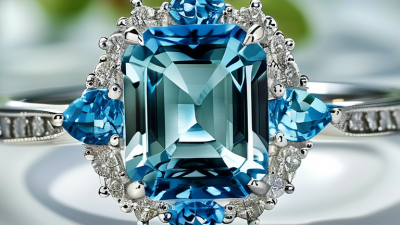
Gemstone Pendant Necklace Metal setting with natural or laboratory-created gemstones Solitaire, halo, bar, teardrop, and geometric pendants Offers color, symbolism, and visual focus. The best stone depends on hardness, transparency, color, and intended use. Care varies by gemstone. Avoid impacts and heat unless the stone's treatment and durability are known. Check stone security, symmetry, prong or bezel quality, polish, visible inclusions, and disclosure of treatments when relevant.
Leather or Textile Necklace Leather cord, cotton, silk, nylon, or other woven fibers Casual cords, layered strands, braided styles, and bohemian designs Lightweight, flexible, comfortable, and suitable for relaxed outfits or adjustable necklace designs. Sensitive to moisture, sweat, oils, and friction. Store dry and replace the cord when it shows significant wear. Inspect stitching or braiding, end caps, attachment points, adjustability, and whether the cord sits comfortably on the skin.
Enamel or Ceramic Pendant Glass-based enamel or fired ceramic with a metal component Color-block, floral, abstract, and artistic statement shapes Provides strong color and decorative detail without requiring a large gemstone. The surface may chip or crack from impact. Store separately and avoid abrasive cleaners. Look for even color coverage, clean edges, a level surface, secure mounting, and no visible hairline cracks.
Selection guide: Choose solid gold or platinum for long-term fine jewelry, sterling silver or stainless steel for versatile everyday wear, pearls for classic elegance, gemstones for personal color and meaning, and leather or textile designs for lightweight casual styling. In every case, secure clasps, smooth finishes, balanced proportions, and clean construction are strong indicators of good craftsmanship.

Choosing the Right Necklace Length and Design

What Is the Best Type of Necklace Jewelry?

Choosing the right necklace starts with length, not decoration. A 16-inch chain usually rests near the collarbone and suits open necklines. An 18-inch necklace sits slightly lower and works well with shirts, dresses, and daily outfits. Longer styles can create a vertical line over knitwear or simple blouses. Measure before buying.

Your neckline should guide the design. A delicate chain can soften a sharp blazer, while a bold pendant adds structure to a plain top. Round necklines often pair well with shorter necklaces. V-necks usually look balanced with pendants that follow their shape. High necklines may suit long chains or layered pieces. Keep the visual weight consistent. A heavy pendant on a thin chain can feel awkward and may pull uncomfortably.

I check the clasp, chain flexibility, and pendant weight during fittings. Small details matter. The necklace should move without twisting or pressing against the skin. Consider your daily routine, too. A long necklace may catch on scarves, bags, or coat buttons. I once chose a beautiful pendant that was simply too heavy for extended wear. That mistake happens. Personal comfort should influence the final choice more than a passing trend. Also, leave room for honest adjustment. Your preferred length may change with different necklines, hairstyles, or layering habits.

Matching Necklace Styles to Occasions and Outfits

A necklace should support the occasion, not compete with it. For office wear, I often choose a slim chain with a small pendant. It rests neatly above a crew-neck blouse and stays quiet during meetings. A 16-to-18-inch length usually works well with open collars. Silver-toned metal can feel crisp, while warm gold tones soften neutral clothing.

Evening outfits allow more visual weight. A longer pendant can follow the line of a simple dress. A short, structured necklace may suit a square neckline better. For weddings or formal dinners, delicate layered necklaces add detail without hiding the fabric. Keep the layers varied in length. Equal spacing can look crowded.

Casual clothes invite texture. Try a medium chain with a plain T-shirt, denim jacket, or knitted sweater. A colorful pendant can brighten beige or black clothing. I have found that heavier pieces feel uncomfortable after several hours, especially in summer. Choose secure clasps and smooth edges for regular wear. Not every rule works. Your neckline, hairstyle, and comfort still matter most. Before leaving home, check the necklace in natural light. Reflections can make a subtle piece look much brighter than expected.

Necklace length strongly influences how a style works with an occasion and outfit. Shorter necklaces such as chokers and princess-length pieces suit open necklines and casual looks, while longer matinee, opera, and rope necklaces create a more formal effect and pair well with high-neck or evening outfits. The lengths shown are commonly used necklace-size ranges, represented by a typical midpoint.

Evaluating Comfort, Durability, and Personal Preference

The best necklace depends on comfort, durability, and personal preference. Weight matters immediately. A thick chain may look substantial, but it can pull hair and irritate the neck. A lighter pendant usually feels easier during long workdays. Measure the chain against your collarbone before buying. Adjustable lengths offer more flexibility.

Material choice needs honest evaluation. The Gemological Institute of America explains that hardness and toughness are different properties. Gold alloys are generally stronger than pure gold, while sterling silver can tarnish with air and moisture. Platinum is dense and durable, but it can develop visible surface marks. The World Gold Council reported 1,877.3 tonnes of global gold jewelry consumption in 2024. That figure shows jewelry remains widely valued, but popularity does not guarantee comfort. I would not pretend one metal suits everyone.

Tips: Choose a smooth clasp and rounded edges for daily wear. Remove necklaces before swimming, sleeping, or applying perfume. If your skin reacts easily, check the alloy composition and consider professional material advice. Test the necklace for one afternoon before committing. Small details matter. A chain that twists constantly may be beautiful, yet impractical. My own preference might change after repeated wear, which is why comfort deserves more attention than a first impression.