Skip to content

What Is Birthstone Jewelry and Why Do Buyers Choose It?

Birthstone jewelry turns a birth month into something wearable, visible, and deeply personal. A small garnet may recall a January birthday, while an aquamarine can bring to mind summer water and pale blue light. Buyers often choose these pieces for emotional meaning, not only for appearance. They may mark a child’s birth, celebrate an anniversary, or carry a family connection close to the skin. The tradition is also more complicated than many shoppers expect. Birthstone lists differ across countries, cultures, and jewelry organizations.

George Frederick Kunz, a respected gemologist and author of The Curious Lore of Precious Stones, wrote, “The belief in the virtues of precious stones is almost as old as the human race.” His observation helps explain the lasting appeal of birthstone jewelry, although modern buyers should separate cultural symbolism from proven scientific effects. A gemstone can represent protection or confidence without possessing medically verified powers. That distinction matters.

Practical details influence the purchase too. Buyers consider color, hardness, clarity, metal choice, and everyday comfort. A soft stone may need more careful handling, especially in a ring worn daily. Responsible shoppers also ask about gemstone treatments, supplier transparency, and repair services. These questions make the experience more reliable. Still, not every choice is perfectly informed. Some buyers select a stone simply because its color feels right. That is not a flaw. Birthstone jewelry works because personal meaning and material beauty often meet in one small object.
What Is Birthstone Jewelry and Why Do Buyers Choose It?

Defining Birthstone Jewelry and Its Cultural Origins

Birthstone jewelry is jewelry featuring a gemstone linked with a person’s birth month. A ring, pendant, or bracelet may carry one stone, several stones, or a custom combination. The meaning usually comes from tradition rather than from a gemstone’s measurable power. Gem color, durability, and personal taste still matter when choosing a piece.

Its cultural origins are layered. Many discussions connect monthly stones with the twelve stones described on the breastplate of the ancient Hebrew high priest. However, that connection is not a simple, unbroken timeline. Later European customs associated specific gems with religious months, while modern birthstone lists developed through changing trade practices and popular jewelry culture. Different countries may assign different stones to the same month.

That history deserves care. It is tempting to present birthstones as an ancient universal system, but the evidence is more complicated. Cultural traditions evolve. Families pass down meanings, and communities reinterpret them. A January garnet, for example, can represent a birthday, a family memory, or simply a preferred deep red color. Buyers often choose birthstone jewelry because it feels personal without requiring a long explanation. A small stone can mark a child’s birth, honor someone living far away, or preserve a memory after a major life change. The symbolism is flexible. That may be its lasting appeal.

How Birthstones Are Assigned to Birth Months

Birthstone jewelry connects a gemstone with a person’s birth month. The monthly system feels personal, yet it is not completely universal. Its origins combine religious traditions, folklore, trade practices, and modern jewelry customs.

In the early twentieth century, a United States jewelry trade group helped standardize a widely used monthly list. January commonly features garnet, while February is linked with amethyst. March is often represented by aquamarine, and April by diamond. May usually includes emerald. June may offer pearl, alexandrite, or moonstone.

Ruby is associated with July, peridot with August, and sapphire with September. October often includes opal or tourmaline. November commonly features topaz or citrine, while December may include turquoise, zircon, or tanzanite.

The assignments are not fixed everywhere. Different countries, cultures, and retailers may publish slightly different versions. Some lists also include more than one gemstone because availability, durability, and historical preference vary. A gemologist may consider hardness before recommending a stone for daily wear. Opal, for example, needs more careful handling than sapphire.

That distinction matters. A birth month can guide a purchase, but it does not dictate one correct choice. Buyers often compare color, symbolism, price, and personal taste. A January buyer might prefer a pale garnet instead of the familiar deep red. The chart helps, but it cannot describe every person.

Common Types and Styles of Birthstone Jewelry

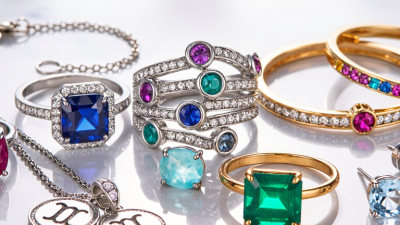
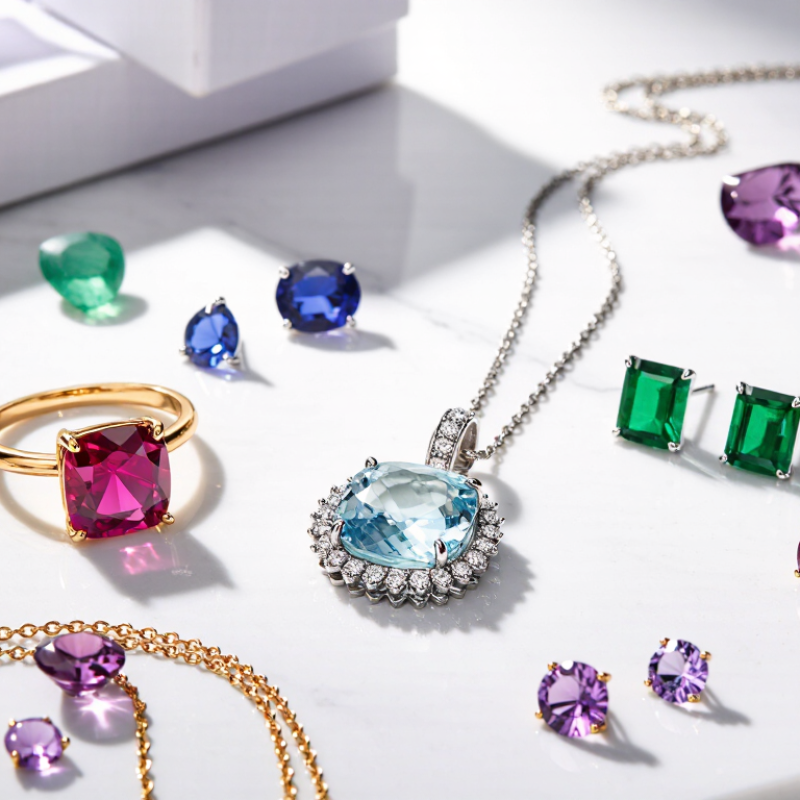
Birthstone jewelry turns a birth month into a small, personal detail. Common choices include rings, necklaces, bracelets, earrings, and charms. Each format suits a different routine. A ring keeps the stone visible, while a pendant rests close to the heart. Stud earrings offer a quieter option. Charm bracelets can hold several stones for families or close friends. These pieces often mark birthdays, anniversaries, and meaningful milestones. The symbolism feels personal, even when the design is simple.

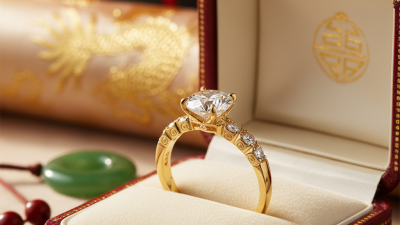
Styles range from polished solitaire settings to clusters of tiny stones. A solitaire highlights one gem with clean metal lines. Halo designs surround the center stone with smaller accents. Bezel settings create a smooth edge and protect exposed sides. Prong settings allow more light to enter, but they need regular inspection. Color also changes the mood. Clear stones look restrained, while blue, green, or red gems feel more expressive. Some buyers choose synthetic stones for consistent color and lower cost. Others prefer natural stones with visible inclusions. Neither choice is automatically better.

When selecting a piece, check hardness, setting security, and metal sensitivity. Soft gems may need extra care during exercise, cleaning, or travel. Ask whether the stone is treated, lab-created, or natural. Reliable sellers should explain these details clearly. Online photographs can exaggerate color and size. A piece may look larger on screen. Measuring the stated dimensions helps prevent disappointment. Personal taste matters more than strict style rules, and preferences can change.

Why Buyers Choose Jewelry with Personal Birthstones

What Is Birthstone Jewelry and Why Do Buyers Choose It?

Birthstone jewelry turns a date into a visible personal marker. Buyers may choose a ring for a January birthday, or a pendant for a child’s arrival. The meaning feels specific, not mass-produced. McKinsey’s 2021 Next in Personalization report found that 71% of consumers expect personalized interactions. It also found that 76% feel frustrated without them. Birthstones fit that expectation naturally.

The emotional appeal is practical, too. The National Retail Federation’s 2024 Mother’s Day survey found that 22% of shoppers planned to buy jewelry. A birthstone adds a clear reason behind that purchase. During consultations, jewelers often ask about the wearer’s birth month, daily routines, and preferred metal. A small stone can work better than a large one for daily wear. It catches light near a shirt collar or flashes from a simple stackable ring.

Professional guidance still matters. The Gemological Institute of America explains that gemstone durability varies, so hardness and setting design should influence everyday choices. Some birthstone lists also differ by culture and tradition. That detail is easy to overlook. A buyer may prefer an alternative stone, a modern color, or a family stone instead. The choice is not always perfectly logical. That may be the point. Personal jewelry often carries memory before it carries market value. Check gemstone treatment, metal content, and care instructions before buying. These details protect the story attached to the piece.

Factors to Consider When Selecting Birthstone Jewelry

Birthstone jewelry connects a gemstone with a person’s birth month, family story, or personal milestone. Buyers often choose it because a small stone can carry emotional meaning without looking overly formal. A pendant worn daily feels different from a bright cocktail ring reserved for celebrations. The meaning matters, but practical details matter too.

When selecting birthstone jewelry, confirm which stone tradition the seller follows. Some months have several accepted stones, and color can vary widely. Ask whether the gem is natural, lab-created, treated, or imitation. This information affects appearance, care, and price. Durability also deserves attention. Softer stones may suit pendants better than rings exposed to daily knocks. Check the setting, clasp, metal content, and finish. A secure setting should hold the stone evenly, without sharp edges. I have found that photographs can hide uneven polish or a loose-looking mount. Inspect close-up images, measurements, care instructions, and return terms before buying. Certification can support trust, but it does not replace careful inspection.

Tips: Match the piece to the wearer’s routine. Choose a low-profile setting for active hands. Consider skin sensitivity and metal composition. Compare stone color in natural light. Keep expectations realistic. A meaningful piece may still show small natural inclusions, and that imperfection can be part of its character. Ask clear questions when details seem vague.

What Is Birthstone Jewelry and Why Do Buyers Choose It? - Factors to Consider When Selecting Birthstone Jewelry

Birth Month Common Birthstones Typical Colors Mohs Hardness Why Buyers Choose It Selection and Care Considerations
January Garnet Deep red; also orange, green, pink, and purple 6.5–7.5 Personal meaning, rich color, and broad color variety Suitable for regular wear, but avoid harsh impacts and prolonged exposure to chemicals.
February Amethyst Light lilac to deep purple 7 Recognizable purple color and generally accessible pricing Protect from strong impacts and prolonged intense heat, which may affect color.
March Aquamarine Pale blue to blue-green 7.5–8 Calm blue appearance and good everyday durability Check for visible inclusions and secure settings; clean with mild soap and water.
April Diamond Colorless, near-colorless, yellow, brown, and other colors 10 Exceptional hardness, lasting symbolism, and strong sparkle Hardness does not make it damage-proof; inspect the setting and avoid hard blows.
May Emerald Medium to vivid green 7.5–8 Distinctive green color and strong cultural association with renewal Many emeralds contain inclusions and may be treated; avoid ultrasonic and steam cleaning unless professionally approved.
June Pearl, Moonstone, or Alexandrite White, cream, iridescent, blue, or color-changing 2.5–4.5 pearl; 6–6.5 moonstone; 8.5 alexandrite Multiple style choices, including organic luster and unusual color change Pearls require the most care: keep away from perfume, cosmetics, acids, and abrasive materials.
July Ruby Pinkish red to vivid red 9 Strong red color, high durability, and classic sentimental value Ask whether the stone has been treated; inspect for fractures and choose a protective setting for active wear.
August Peridot or Spinel Yellow-green, olive green, red, pink, or other colors 6.5–7 peridot; 7.5–8 spinel Fresh green tones from peridot or broad color choice from spinel Peridot can scratch more easily than spinel; remove jewelry before strenuous activities.
September Sapphire Blue; also pink, yellow, green, and colorless 9 Excellent durability, refined appearance, and color versatility Confirm whether the color is natural or treated and check the stone for chips near edges.
October Opal or Tourmaline Multicolor play-of-color, pink, green, blue, or black 5.5–6.5 opal; 7–7.5 tourmaline Opal offers unique flashes of color; tourmaline provides many wearable colors Opal is more sensitive to scratches, heat, and sudden temperature changes; use gentle cleaning.
November Topaz or Citrine Blue, yellow, orange, brown, or golden yellow 8 topaz; 7 citrine Warm colors, clean appearance, and a range of price points Topaz can cleave if struck; citrine should be protected from prolonged high heat and harsh chemicals.
December Turquoise, Tanzanite, or Zircon Blue-green, violet-blue, blue, or colorless 5–6 turquoise; 6–7 tanzanite; 6.5–7.5 zircon Wide choice of blue shades and distinctive traditional or modern styles Turquoise and tanzanite need careful handling; avoid abrasive cleaners, heat, and prolonged chemical exposure.

Note: Birthstone lists vary by tradition and jewelry market. Mohs hardness indicates scratch resistance, not overall toughness or resistance to breaking. Color, clarity, treatment disclosure, setting security, comfort, and maintenance requirements should all be considered before purchase.