Skip to content

How to Source Gold Engagement Rings in 2026?

Sourcing gold engagement rings in 2026 requires more than comparing photographs and prices. Buyers now expect clear material details, responsible supply chains, and evidence behind every promise. A dependable jeweller should explain the gold purity, alloy composition, stone origin, and manufacturing location in plain language. Ask for independent assay records, recognised hallmarking, and documentation supporting recycled or newly mined gold claims.

Small details matter. Check how a ring feels against the finger. Examine the prongs under bright light. Request a close photograph of the hallmark and setting before paying a deposit. A professional supplier should also provide sizing guidance, a written warranty, repair terms, and a realistic delivery date. These details reveal whether the business understands jewellery beyond marketing language.

Trust takes verification.

Online reviews can help, but they are not proof by themselves. Look for consistent customer experiences, transparent contact information, and answers that do not avoid difficult questions. Certification can strengthen confidence, although no certificate replaces careful judgement. Gold colour may look different under warm store lighting, and photographs can hide uneven finishing. I have seen attractive designs feel surprisingly light in person, so weight and construction deserve attention.

This guide explores how to compare suppliers, evaluate gold quality, confirm ethical sourcing, and protect your budget in 2026. The process is not perfectly simple. Some documentation may be incomplete, and responsible claims can be difficult to measure. That is precisely why informed questions, independent checks, and a little patience remain essential when choosing a ring with lasting meaning.

How to Source Gold Engagement Rings in 2026?

Define Your Budget, Gold Purity, and Ethical Sourcing Priorities

How to Source Gold Engagement Rings in 2026?

Set your total budget before comparing designs. Include the ring, resizing, insurance, taxes, and possible repairs. Gold weight and purity affect the price directly. A 14-karat ring contains about 58.5% pure gold, while 18-karat gold contains 75%. Higher purity offers richer color, but it may scratch more easily. The World Gold Council reported that global jewellery consumption reached about 1,877 tonnes in 2024. That demand reinforces one practical lesson: gold pricing can move quickly, so request a dated quotation and an itemized invoice.

Tips: Ask for the gram weight, karat mark, and manufacturing charge. Compare two written quotes. Small differences matter.

Ethical sourcing should be specific, not decorative language. Ask whether the gold is recycled, newly mined, or blended. Request evidence of chain-of-custody controls and supplier due diligence. The Responsible Jewellery Council’s Code of Practices provides a useful benchmark for human rights, environmental management, and responsible supply chains. Still, recycled gold is not automatically perfect; documentation can be incomplete, and some claims remain difficult to verify. I would record what the seller confirms, what documents exist, and what remains uncertain. That honesty is more useful than polished promises. Avoid choosing purity or ethics by appearance alone. A slightly smaller ring with clear documentation may fit your values better than a heavier ring with vague sourcing language.

Compare Gold Colors, Karats, Ring Styles, and Diamond Settings

When sourcing a gold engagement ring in 2026, compare color with daily wear in mind. Yellow gold offers a warm, traditional appearance and hides minor scratches well. White gold looks crisp beside colorless diamonds, but its surface plating may need renewal over time. Rose gold gets its pink tone from copper and can create a softer, vintage effect.

Karat affects both value and durability. Eighteen-karat gold contains more pure gold and has a richer color. Fourteen-karat gold is usually harder and more practical for active lifestyles. Twenty-four-karat gold is generally too soft for an engagement ring. Check the hallmark, metal description, return terms, and an independent diamond report. Seller claims alone are not enough.

Ring style should match hand shape, routine, and maintenance tolerance. A solitaire keeps attention on the center stone and is easier to clean. Halo designs add visible sparkle but collect debris around smaller stones. Pavé bands look brilliant, yet tiny settings can require careful inspection. Bezel settings protect the diamond’s edges, while prongs expose more stone and allow stronger light entry. I would not choose a setting from photographs alone. Ask to view the ring from the side, check prong symmetry, and gently inspect for movement. Even experienced buyers can overlook comfort beneath the finger.

How to Source Gold Engagement Rings in 2026? — Compare Gold Colors, Karats, Ring Styles, and Diamond Settings
Category Option Gold Content Appearance and Alloy Durability and Maintenance Best For 2026 Sourcing Checks
Gold Karat Comparison
Gold purity 24K 99.9% gold Rich, highly saturated yellow; normally too soft for a daily-wear engagement ring. Softest common karat; scratches and bends more easily. Collectors, ceremonial jewelry, or designs intended for occasional wear. Confirm the fineness mark, typically 999, and ask whether the ring is solid gold.
Gold purity 22K 91.6% gold Deep yellow with a small proportion of strengthening metals. More durable than 24K, but still relatively soft for exposed settings. Traditional styles and buyers who prioritize high gold content. Check the 916 mark and inspect prongs regularly if the ring is worn every day.
Gold purity 18K 75.0% gold Warm yellow, bright white, or soft rose depending on the alloy. Good balance of purity, color, and strength; more resistant to wear than 22K. Premium engagement rings and buyers seeking a high gold percentage. Look for a 750 mark and verify whether white gold includes a surface rhodium finish.
Gold purity 14K 58.5% gold Yellow is slightly paler; white and rose colors are commonly available. Harder and generally more scratch-resistant than 18K; suitable for frequent wear. Everyday engagement rings, active lifestyles, and value-conscious sourcing. Look for a 585 mark and review the complete alloy disclosure for allergy concerns.
Gold purity 10K 41.7% gold Palest yellow among standard gold karats; color depends strongly on the alloy. Hard and affordable, but the higher alloy content may react with sensitive skin. Budget-focused rings and designs exposed to frequent impact. Confirm the 417 mark and check for nickel-free or hypoallergenic alloy options.
Gold Color Comparison
Gold color Yellow Gold Gold mixed with metals such as silver, copper, or zinc. Classic warm yellow; higher-karat versions usually show a deeper yellow tone. Color is integral to the alloy and does not normally need replating. Vintage-inspired, traditional, and warm-toned jewelry wardrobes. Compare the same karat across suppliers because alloy recipes can alter the exact shade.
Gold color White Gold Gold alloyed with white metals; many pieces receive rhodium plating. Bright white when plated; unplated white gold can have a subtle gray or warm cast. Rhodium plating can wear over time and may need periodic renewal. Modern designs and buyers who prefer a white-metal appearance. Ask whether it is rhodium-plated, identify the alloy metals, and confirm nickel sensitivity information.
Gold color Rose Gold Gold alloy containing a higher proportion of copper than yellow gold. Pink to blush tone; the color generally becomes stronger as copper content rises. Usually does not require color replating; copper content may concern sensitive skin. Romantic, distinctive, and vintage-influenced ring designs. Request the exact karat and alloy details because rose tones vary between makers.
Ring Style Comparison
Ring style Solitaire One central diamond with minimal additional stones. Clean, timeless, and focused on the center stone. Fewer small stones mean fewer accent settings to inspect. Buyers prioritizing center-diamond size, simplicity, and easy coordination. Evaluate the center setting, prong thickness, gallery support, and band width.
Ring style Halo Center diamond surrounded by a border of smaller diamonds. Creates visual spread and additional sparkle around the center stone. More small stones and settings require careful cleaning and periodic inspection. Buyers seeking a larger-looking center and a bright, decorative design. Check for secure shared or individual prongs and consistent alignment around the halo.
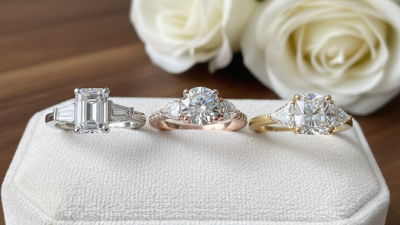
Ring style Three-Stone One center diamond flanked by two side stones. Balanced design often associated with past, present, and future symbolism. Side stones can be vulnerable to knocks if they extend beyond the finger profile. Symbolic designs and buyers wanting substantial side-to-side sparkle. Compare side-stone proportions, matching color, and the protection offered by the setting.
Ring style Pavé or Micro-Pavé Small diamonds set closely along the band. Continuous sparkle with little visible metal between stones. Small settings can catch on fabric and require routine checks for loose stones. Maximum surface sparkle and slender, highly detailed bands. Inspect the underside, bead or shared prongs, and the jeweler’s repair policy.
Ring style Bezel A metal rim surrounds part or all of the diamond’s girdle. Streamlined, contemporary appearance with a smooth outer profile. Offers strong edge protection and fewer exposed prongs; can slightly reduce side light. Active lifestyles, low-profile rings, and buyers who prioritize protection. Check that the bezel is even, secure, and not covering more of the stone than expected.
Diamond Setting Comparison
Diamond setting Prong Setting Metal claws hold the diamond at several points around the girdle. Allows substantial light entry and keeps more of the diamond visible. Prongs can snag or wear; they should be checked periodically. Solitaire and center-diamond designs that emphasize brilliance and size. Confirm the number, shape, height, and condition of prongs before purchase.
Diamond setting Bezel Setting A continuous or partial metal rim secures the diamond. Sleek and protective, with less exposed diamond edge. Generally secure and snag-resistant; resizing or stone removal can be more complex. Daily wear, active hands, and low-profile contemporary rings. Ask whether the bezel is full or partial and verify that the stone is firmly enclosed.
Diamond setting Channel Setting Diamonds sit between two parallel metal walls without visible prongs. Smooth line of sparkle, commonly used for bands and accent shoulders. Protects side edges but can be difficult to repair if the channel deforms. Wedding bands, flush designs, and streamlined pavé-style shoulders. Check that the channel walls are straight and that stones do not move under light pressure.
Diamond setting Pavé Setting Small diamonds are secured by tiny beads or shared prongs. Creates a glittering surface with minimal visible metal. More individual settings create more potential maintenance points. Decorative bands, halos, and buyers seeking all-over sparkle. Review stone security, bead consistency, snag risk, and aftercare coverage.
Diamond setting Tension-Style Setting The diamond is held by pressure from the opposing metal arms. Modern floating appearance with strong visual exposure to the center stone. Requires precise engineering; alterations and repairs may be more specialized. Contemporary designs and buyers who prefer an architectural look. Use an experienced specialist and confirm structural inspection and service options.
Sourcing and Verification Checklist
Material verification Karat and fineness mark Examples include 750 for 18K, 585 for 14K, and 417 for 10K. Marks indicate stated purity, not the ring’s total weight or value. Higher karat means more gold content, but not automatically better durability. Every buyer comparing quotes or specifications. Match the stamp with written documentation and ask how purity is tested.
Diamond verification Stone report and disclosure Review the report number, carat weight, color, clarity, cut information, and treatments. Independent grading terminology helps make stones from different sources comparable. Disclosure is especially important for fracture filling, laser drilling, coatings, or lab-grown origin. Buyers comparing natural and laboratory-grown diamonds. Verify that the report matches the stone and request written treatment disclosure.
Construction quality Ring engineering Assess band thickness, prongs, gallery, shoulders, solder joints, and symmetry. These features affect comfort, stability, and long-term repairability. Very thin bands and tall settings may be more vulnerable to bending or impact. Daily-wear engagement rings and rings paired with wedding bands. Request exact measurements in millimeters and inspect the ring from top, side, and underside.
Purchasing terms Documentation and aftercare Keep the invoice, metal details, diamond report, sizing terms, warranty, and return policy. Clear records support future resizing, insurance, maintenance, or resale evaluation. Maintenance needs vary by setting, alloy, wear pattern, and ring construction. All buyers sourcing online or across different regions. Confirm return deadlines, resizing limits, inspection intervals, repair responsibility, and shipping insurance.
Practical comparison rule: For a daily-wear engagement ring, 14K and 18K gold are commonly selected because they balance gold content with durability. The best choice still depends on lifestyle, skin sensitivity, desired color, diamond protection, and the quality of the ring’s construction.

Evaluate Jewelers, Certifications, Warranties, and Return Policies

How to Source Gold Engagement Rings in 2026?

Sourcing a gold engagement ring in 2026 requires more than comparing polished photographs. Evaluate the jeweler’s physical address, customer service, repair process, and written metal disclosures. Ask whether the ring is solid gold, recycled gold, or plated material, and confirm the karat mark matches the invoice. A knowledgeable jeweler should explain alloy composition, stone setting, resizing limits, and expected wear in plain language. If answers feel rushed, pause. That discomfort matters.

Request an independent grading report for the center stone, when applicable, and verify its report number through the issuing laboratory. Certification is useful, but it is not a guarantee of beauty or value. Compare the report’s measurements with the ring you receive.

Inspect prongs under bright light; uneven tips, cloudy stones, or a loose setting deserve written attention before payment. I would also photograph the ring, paperwork, and packaging at delivery. Small records can prevent large disputes.

Read the warranty before buying, not after a stone loosens. Confirm coverage for manufacturing defects, prong failure, polishing, resizing, and shipping. Many warranties exclude normal wear, accidental damage, or unauthorized repairs. Details matter.

The return policy should state the deadline, refund method, inspection fees, and whether custom sizing removes return rights. Keep every email and receipt. One imperfect detail can change the decision: a short return window may outweigh a modest price reduction, especially when fit and comfort remain uncertain.

Verify Ring Quality, Pricing, Sizing, and Customization Options

How to Source Gold Engagement Rings in 2026?

A reliable ring search begins with measurable details, not attractive photographs. Ask for the gold purity, total weight, stone specifications, and manufacturing method. A stamp can help, but it should not be your only proof. Request an independent appraisal or a written quality report. Check the ring under natural light for uneven prongs, thin edges, rough polishing, or loose stones. Small defects can become expensive repairs. I would also compare several itemized quotes, separating gold, stones, labor, taxes, and delivery. A low price may reflect lighter gold or simpler construction. Sometimes, the cheapest option is not the best value.

Sizing deserves a practical test. Measure the finger at room temperature, preferably at different times of day. Knuckle width, seasonal swelling, and ring thickness can change the fit. A wide band may need a slightly different size. Ask about resizing limits before paying. Customization should include a clear sketch, digital model, metal choice, stone setting, engraving, and production timeline. Request approval of the final design before manufacture. Keep every specification in writing, including the return and repair terms. One detail is easy to miss: a beautiful design may feel uncomfortable after several hours. Try a similar-width sample first, if possible. Even careful buyers can overlook maintenance needs, especially with delicate settings.

How to Source Gold Engagement Rings in 2026?

Use gold purity, price structure, sizing accuracy, and customization terms to compare rings before purchasing.

How to read the chart: Karatage indicates the proportion of pure gold in the alloy. Higher-karat gold contains more gold but is generally softer, while lower-karat alloys are typically more resistant to everyday wear. Verify the hallmark or independent assay, and request the item’s metal weight before comparing prices.

  • Pricing: Compare the quoted price with gold weight, karat purity, labor, gemstones, and customization fees. Confirm whether resizing, engraving, and shipping are included.
  • Sizing: Measure the intended finger professionally at a normal temperature and confirm the seller’s sizing system, ring width adjustment policy, and resizing limitations.
  • Customization: Confirm the metal alloy, setting style, gemstone specifications, production timeline, approval process, and return policy in writing.

Complete the Purchase Securely and Maintain the Ring Long Term

How to Source Gold Engagement Rings in 2026?

A secure purchase begins with traceable information, not attractive photography. Ask for the gold karat, total weight, stone details, seller address, and a clear return policy. The World Gold Council’s Gold Demand Trends 2024 reported total gold demand of 4,974 tonnes, including over-the-counter activity. Strong demand can encourage rushed buying. Slow down. Compare at least three written quotations.

Request an itemized invoice and independent appraisal before wearing the ring outside. Check that the hallmark matches the stated purity, and confirm whether the setting is solid gold or plated material. Use a protected payment method, especially for remote orders. Delivery should require a signature and suitable insurance.

The Federal Trade Commission’s Jewelry Guides also stress accurate descriptions of precious-metal content. A certificate alone is not enough. I would not treat a polished surface as proof of quality.

Tips:

Photograph the ring immediately. Store the invoice, appraisal, and care instructions together. Remove the ring before swimming, cleaning, lifting weights, or applying hand cream.

Wipe it with a soft, lint-free cloth after use. Have a jeweler inspect prongs, clasps, and the band about once a year. Loose stones can become an expensive surprise.

Gold is durable, but it still scratches and bends. Ultrasonic cleaning may damage fragile settings, so ask for a professional assessment first.

Review insurance values periodically, because gold prices change and yesterday’s appraisal may no longer protect today’s purchase.