Skip to content

What Is a Birthstone Charm Bracelet?

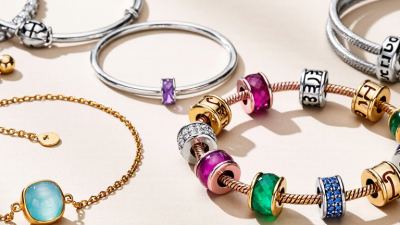
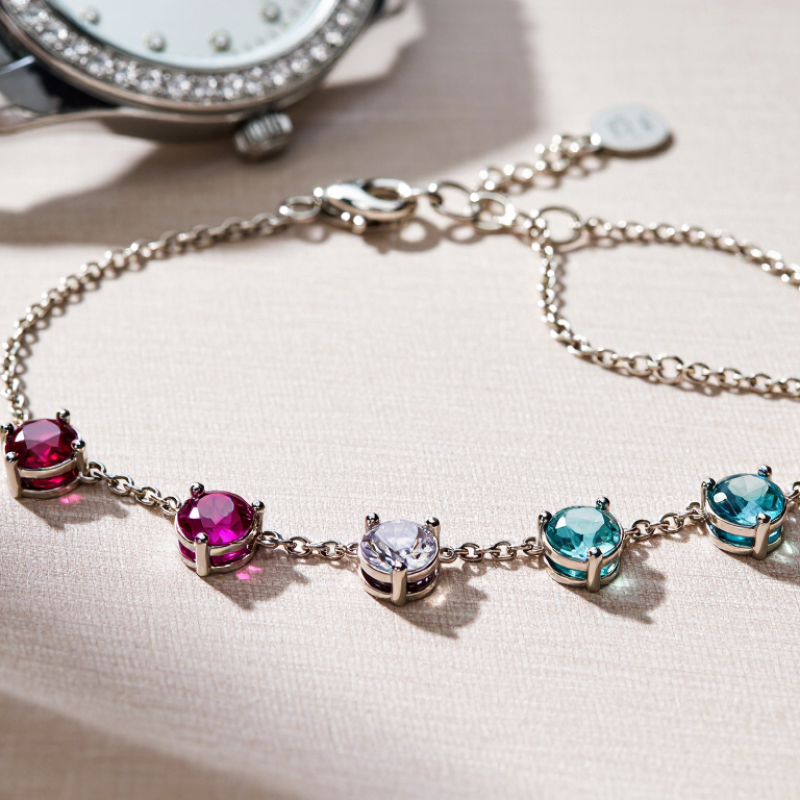
A birthstone charm bracelet combines personal symbolism with everyday jewelry. Each charm may represent a birth month, family member, milestone, or private memory. Picture a slim chain catching light beside a watch, with a garnet charm moving softly at the wrist. Small details make the piece feel intimate.

The global jewelry market was valued at approximately $340.69 billion in 2020. Allied Market Research projects it could reach $518.90 billion by 2030. This growth reflects continuing interest in meaningful, customizable pieces. However, broad jewelry figures do not measure the birthstone charm bracelet category precisely. That limitation matters.

Gemologist Dr. James E. Shigley has emphasized that “color is one of the most important factors in a gemstone’s appearance.” His observation helps explain the bracelet’s appeal. Ruby suggests warmth. Aquamarine feels cooler and quieter. Yet appearance alone cannot determine quality. Treatments, durability, setting security, and gemstone identification also deserve attention.

A birthstone charm bracelet is not automatically valuable because it contains a birthstone. Some stones are synthetic, treated, or chosen mainly for color. That is not necessarily a flaw. Personal meaning may matter more than rarity.

Reports from Grand View Research and Allied Market Research show strong momentum across personalized and luxury jewelry markets. Still, consumer preferences can shift quickly. A thoughtful bracelet balances symbolism, wearability, and honest material information. It may hold a child’s birth month, a wedding date, or an imperfect memory. That human story often becomes its strongest feature.
What Is a Birthstone Charm Bracelet?

Definition and Core Features of a Birthstone Charm Bracelet

What Is a Birthstone Charm Bracelet?

A birthstone charm bracelet is jewelry that combines a wearable chain with charms linked to birth months. Each charm may feature a gemstone, crystal, or colored accent associated with a particular month. The bracelet can represent one person, several family members, or meaningful life events.

Not merely decoration. It often carries personal history.

Definition and Core Features of a Birthstone Charm Bracelet

The main feature is the birthstone charm. Traditional month-to-stone lists are widely used, but associations can differ by culture and jewelry source. A reliable description should identify the stone clearly and explain whether it is natural, lab-created, or imitation. This distinction affects appearance, durability, care, and price.

The bracelet usually includes a chain, clasp, connecting rings, and one or more removable charms. Common materials include sterling silver, gold alloys, stainless steel, and plated metals. A secure clasp matters, especially when several charms add weight.

I have found that small charms can catch on clothing, which is easy to overlook. Consider comfort, charm spacing, and wrist size before wearing it daily.

Some designs allow extra charms to be added later. This makes the piece suitable for birthdays, anniversaries, or family milestones. However, personalization should remain practical. Too many charms may twist the bracelet or strain the clasp. Keep gemstones away from harsh chemicals, impact, and prolonged moisture. A soft cloth and periodic inspection can help preserve the finish. Always check the stone’s care requirements, because not every birthstone responds well to the same cleaning method.

The History and Meaning Behind Birthstone Jewelry

What Is a Birthstone Charm Bracelet? The History and Meaning Behind Birthstone Jewelry

Birthstone jewelry connects personal identity with centuries of symbolic tradition. Ancient cultures associated colored stones with protection, healing, and seasonal change. The modern birthstone list was standardized in 1912, although several stones have changed over time. A birthstone charm bracelet turns that history into something wearable. Each charm may represent a birth month, family member, milestone, or private memory. Small details matter, such as a garnet’s deep red tone or aquamarine’s cool blue sparkle.

The jewelry market reflects strong interest in personal meaning. Grand View Research estimated the global jewelry market at more than 350 billion dollars in 2023. The Business Research Company also reported continued growth in jewelry demand, supported by personalization and gift purchases. These figures do not measure birthstone bracelets alone, but they show a wider shift toward emotionally meaningful pieces. In professional jewelry consultations, buyers often ask about stone durability, metal allergies, and care requirements before symbolism. That practical step is easy to overlook.

A birthstone is not a medical treatment or guaranteed protection. Its meaning remains cultural and personal. That matters. A bracelet may honor a child, remember someone absent, or simply match a favorite color. Sometimes the symbolism feels profound; sometimes it feels chosen after the purchase. Both experiences can be valid. The most trustworthy piece includes clear stone identification, honest treatment disclosure, and realistic care advice. A beautiful charm should still survive ordinary life.

Common Materials, Designs, and Charm Arrangements

What Is a Birthstone Charm Bracelet?

A birthstone charm bracelet combines personal meaning with everyday jewelry. Common materials include sterling silver, gold, gold vermeil, stainless steel, glass, and natural gemstones. The Silver Institute’s World Silver Survey 2024 reported approximately 208.3 million ounces of silver used in jewelry fabrication during 2023. That supports silver’s continued role in accessible, detailed bracelet designs.

Design choices often depend on durability, skin sensitivity, and budget. Sterling silver offers a bright finish, but it can tarnish without regular polishing. Stainless steel resists scratches better and suits active wear. Gold provides warmth and prestige, while vermeil creates a richer look over a silver base. Some sellers use synthetic stones for consistent color. That choice is practical, though it may feel less personal to some buyers.

Charm arrangements create the bracelet’s visual rhythm. One central birthstone can keep the design clean. Smaller symbols, initials, moons, or hearts can sit beside it. A cluster near the clasp feels delicate, while evenly spaced charms appear more structured. Grand View Research estimated the global jewelry market at about $340.69 billion in 2023, with continued growth expected through 2030. Personalization clearly matters, but more charms do not always improve the result. A crowded bracelet may hide the birthstone. I would test the spacing on a paper wrist outline first.

What Is a Birthstone Charm Bracelet? - Common Materials, Designs, and Charm Arrangements

A birthstone charm bracelet combines a wearable chain or band with charms that represent a birth month, personal milestone, family member, or symbolic meaning.

Birth Month Common Birthstone Typical Stone Colors Common Bracelet Materials Popular Charm Designs Suggested Charm Arrangement
January Garnet Deep red, reddish purple, orange, or green Sterling silver Gold Stainless steel Heart, snowflake, initial, or faceted gemstone charm Place one garnet charm at the center and add small initials on either side.
February Amethyst Light lavender to deep purple Sterling silver Gold-filled metal Leather Star, moon, geometric, or purple crystal charm Use an amethyst charm as the focal point with balanced geometric charms.
March Aquamarine Pale blue to blue-green Sterling silver White gold Stainless steel Wave, shell, fish, or sea-glass-inspired charm Combine the aquamarine charm with ocean-themed charms in a loose, airy sequence.
April Diamond Usually colorless; also available in many natural colors Gold Platinum Sterling silver Circle, star, solitaire-style, or clear crystal charm Keep the design refined with one central stone charm and a simple chain or narrow spacer charms.
May Emerald Light green to deep green Gold Sterling silver Stainless steel Leaf, flower, vine, or oval gemstone charm Center the emerald charm between leaf or floral charms for a natural theme.
June Pearl, Alexandrite, or Moonstone White, color-changing, milky white, or gray Sterling silver Gold Pearl-friendly thread Flower, shell, crescent moon, or smooth pearl charm Use a pearl or moonstone charm as the centerpiece and avoid placing abrasive charms directly beside it.
July Ruby Pinkish red to deep red Gold Sterling silver Stainless steel Heart, flower, crown, or polished red gemstone charm Make the ruby charm the visual anchor and use symmetrical charms to emphasize its color.
August Peridot, Spinel, or Sardonyx Yellow-green, pink, red, black, white, or brown Sterling silver Gold Stainless steel Leaf, sun, oval stone, or engraved disc charm Pair a peridot charm with warm-toned or botanical charms for a bright summer arrangement.
September Sapphire Blue, pink, yellow, green, or colorless Gold Platinum Sterling silver Star, compass, shield, or oval gemstone charm Place the sapphire charm in the middle and add a compass or initial charm to personalize the bracelet.
October Opal or Tourmaline Opal can show multiple colors; tourmaline ranges from pink and green to many other shades Sterling silver Gold Stainless steel Oval opal, rainbow, butterfly, or multicolor stone charm Let the colorful stone stand alone or surround it with small neutral metal charms.
November Topaz or Citrine Blue, yellow, golden, orange, pink, or brown Gold Sterling silver Stainless steel Sun, leaf, geometric, or warm-toned faceted charm Use a citrine or topaz charm with sun-inspired motifs for a warm, balanced composition.
December Turquoise, Tanzanite, or Zircon Blue, blue-green, violet-blue, or many zircon colors Sterling silver Gold Stainless steel Snowflake, star, mountain, or blue gemstone charm Combine a blue birthstone charm with winter or travel motifs, leaving space between larger charms.

Material choice affects appearance, durability, maintenance, and skin compatibility. Soft or porous stones, including pearls, opals, turquoise, and moonstone, should be protected from harsh chemicals, impacts, and prolonged moisture.

How to Choose a Birthstone Charm Bracelet

A birthstone charm bracelet combines a wearable chain with charms linked to birth months. Each stone can represent identity, family, or a personal milestone. The charm may be fixed, removable, engraved, or paired with a small symbol. It is jewelry with a story, but the story should not overpower daily comfort.

When choosing one, begin with meaning and lifestyle. Match the stone to the wearer’s birth month, then check its durability. Garnet, sapphire, and ruby generally tolerate everyday wear better than softer stones. Pearls and opals need gentler handling. GIA emphasizes that gemstone durability depends on hardness, toughness, and stability, not appearance alone. Fit matters. Measure the wrist snugly, then add about 1–2 centimeters for movement and extra charms. A bracelet that slides over the hand may catch on clothing.

Material deserves equal attention. Sterling silver offers a cooler look, while gold alloys provide different colors and wear characteristics. Ask for clear information about metal purity, stone treatment, clasp construction, and care instructions. According to Grand View Research’s 2024 jewelry market analysis, the global jewelry market is expanding steadily, reflecting stronger interest in personal and meaningful pieces. McKinsey and The Business of Fashion also identified jewelry as a leading growth category through 2028. Those figures show demand, not quality. A fashionable choice can still be impractical. Start with one meaningful charm, test the weight, and leave room for future memories.

What Is a Birthstone Charm Bracelet?

A birthstone charm bracelet is a piece of jewelry decorated with charms featuring gemstones associated with a person's birth month. The chart below compares the approximate Mohs hardness of one commonly recognized birthstone for each month, which can help when choosing a charm bracelet for everyday wear.

How to choose: Harder stones, such as diamond, ruby, and sapphire, generally resist scratching better. Softer stones, such as pearl and opal, may need more careful handling and are better suited to occasional wear.

Care, Storage, and Personalization Options

A birthstone charm bracelet combines symbolic stones with wearable personal details. Each charm may represent a birth month, family member, milestone, or private memory. Personalization can include initials, meaningful dates, metal choices, and adjustable links. Choose stones for their appearance and durability, not only their symbolism. Some gems scratch easily or react poorly to heat, sunlight, or sudden temperature changes.

Care begins with simple habits. Remove the bracelet before swimming, showering, exercising, or applying perfume. Chlorinated water and household chemicals can dull metal and weaken settings. Wipe the bracelet gently with a soft, dry cloth after wearing it. Avoid ultrasonic cleaners unless a qualified jeweler confirms they are safe for every stone. One common mistake is cleaning all birthstones the same way. That shortcut can cause damage.

Tips: Store the bracelet flat in a soft pouch, away from harder jewelry. Keep each charm separated when possible. Check the clasp and stone settings every few weeks. If a charm feels loose, stop wearing it and request a professional inspection. Personalization can also change over time; a new engraving or charm may fit better than forcing an old arrangement. A slightly imperfect layout often feels more authentic, but poor spacing can cause charms to rub and scratch.